 0
0
 0
0
April 11, 2026
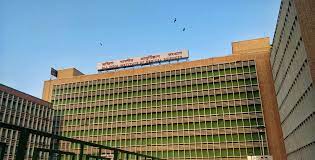
NEW DELHI — In a landmark effort to dissolve the traditional silos between high-tech engineering and clinical medicine, the All India Institute of Medical Sciences (AIIMS) Delhi has launched “Photonics 4 Clinics.” This global initiative, which convened from April 9–10, 2026, brought together a powerhouse of experts from the Massachusetts Institute of Technology (MIT), IIT Delhi, and leading European universities. The goal is singular: to ensure that the next generation of Artificial Intelligence (AI) and light-based diagnostic tools are built by those who actually use them—doctors.
For decades, the “bench-to-bedside” pipeline has been plagued by a disconnect where sophisticated laboratory tools fail to survive the rigors of a busy hospital. By positioning clinicians as “problem-staters” rather than mere end-users, AIIMS is pioneering a collaborative model designed to tackle India’s unique healthcare challenges, including high patient volumes and a shortage of specialists in rural sectors.
The “Photonics” Revolution: Seeing Beyond the Surface
At the heart of this push is photonics—the physical science of light. Unlike traditional biopsies that require cutting tissue and waiting days for pathology results, photonics-based technologies like optical spectroscopy and multiphoton microscopy allow doctors to peer into cells in real-time.
Professor Peter So of MIT, a pioneer in biological engineering, emphasized during the workshop that these advanced optical methods can reveal molecular “red flags” long before they become visible under a standard microscope. However, the true breakthrough lies in combining this light-based data with AI.
Dr. Dipak Sapkota, a researcher from the University of Oslo, highlighted the human element of this tech. In cases of oral leukoplakia (precancerous mouth lesions), patients often ask, “How long will I live?” current tools struggle to provide a precise answer.
“No single technology will solve complex clinical problems on its own,” Dr. Sapkota noted.
He proposed a multi-layered framework that merges clinical records, tissue imaging, and “omics” (the study of entire sets of biological molecules) to create a predictive roadmap for every patient.
AI for the Indian Context: Skin Tone and Sight
While AI has shown promise globally, it has historically suffered from “data bias.” Many algorithms are trained on datasets from Western populations, often leading to lower accuracy for darker skin tones or specific regional pathologies. AIIMS is actively working to correct this through two flagship projects:
1. Inclusive Dermatology
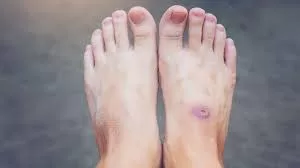
Around three billion people globally live in regions with a critical shortage of dermatologists. Dr. Somesh Gupta of AIIMS is leading a team—in partnership with Google Health—to train AI models specifically on Indian skin types. This “decision-support tool” helps primary care workers triage rashes and infections, ensuring that a potentially malignant lesion isn’t missed simply because the algorithm didn’t recognize the skin tone.
2. MadhuNetrAI: Saving Sight in Rural India
In ophthalmology, AIIMS has already deployed MadhuNetrAI, an indigenous app designed to screen for diabetic retinopathy. The statistics are compelling:
-
Sensitivity: Over 93% (accuracy in identifying those with the disease)
-
Specificity: Over 95% (accuracy in identifying those without it)
The app allows a healthcare worker in a remote district to take a photo of a patient’s retina and receive an instant classification of normal, mild, or severe. This prevents unnecessary travel for low-risk patients while fast-tracking those at risk of blindness to specialists.
Task-Shifting: A New Public Health Paradigm
The broader implication of “Photonics 4 Clinics” is a concept called task-shifting. By putting high-precision diagnostic tools into the hands of nurses and community health workers, the expertise of a world-class specialist can, in effect, be “exported” to the most remote corners of the country.
However, experts at the workshop were quick to temper techno-optimism with a reality check. Public health researchers noted that technology cannot replace behavioral intervention. For example, while AI might detect oral cancer earlier, it does not solve the root cause of tobacco addiction. Policy, regulation, and human counseling remain the bedrock of effective medicine.
Navigating Limitations and Ethical Guardrails
Despite the excitement, the transition from lab to clinic faces significant hurdles:
-
“Noisy” Data: AI models often perform perfectly in a lab but fail in the real world due to poor lighting or different camera qualities.
-
Algorithmic Bias: Without diverse datasets, AI risks reinforcing healthcare disparities.
-
The “Human-in-the-Loop” Requirement: Dr. Rohan Chawla, a retina specialist at AIIMS, stressed that MadhuNetrAI was validated against thousands of images to build clinician trust, but it is intended to augment—not replace—human judgment.
The consensus among the international delegation was clear: regulatory frameworks must require transparent reporting of how these AI tools perform across different age groups and skin tones before they are widely adopted.
What This Means for You
For the average patient, this shift means faster diagnoses and fewer invasive procedures. If you are a diabetic patient in a rural area, you may soon have your eyes screened at a local clinic rather than traveling to a city.
Key Takeaways for Readers:
-
AI is a filter, not a final judge: These tools are designed to flag “high-risk” cases for urgent human review.
-
Validation matters: When using health apps or AI-based tests, ask if they have been validated on populations similar to yours.
-
The Doctor-Led Model: The “Photonics 4 Clinics” approach ensures that technology serves the patient-doctor relationship, not the other way around.
As Dr. Vivek Tandon, Head of Neurosurgery at AIIMS, aptly summarized: “The goal is to make clinicians ‘problem-staters.’ If we need a specialized tool for a surgery, the engineer should hear that need directly from the bedside.”
References
- https://medicaldialogues.in/news/health/hospital-diagnostics/aiims-delhi-hosts-global-collaboration-to-bridge-gap-between-medicine-and-technology-168391
Medical Disclaimer: This article is for informational purposes only and should not be considered medical advice. Always consult with qualified healthcare professionals before making any health-related decisions or changes to your treatment plan. The information presented here is based on current research and expert opinions, which may evolve as new evidence emerges.