 0
0
 0
0
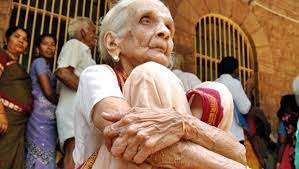
KENDRAPARA, INDIA — A fresh controversy surrounding public health infrastructure and patient dignity erupted in Odisha’s Kendrapara district this week after 14 women were forced to lie on a cold hospital floor to recover following tubectomy surgeries. The incident, which took place at the Rajkanika Community Health Centre (CHC), occurred after patients endured a grueling nine-hour wait for surgeons to arrive, prompting local authorities to launch a formal administrative investigation.
The episode was brought to public attention after visual evidence circulated widely across social media platforms, sparking outrage from health advocates and civil society groups. The situation highlights ongoing systemic challenges in India’s rural family planning initiatives, where camp-based surgical drives frequently struggle with overcrowding, facility constraints, and delayed care.
Nine-Hour Delay Preceded Post-Operative Lapse
According to local reports and official accounts, approximately 20 women arrived at the Rajkanika CHC early Saturday morning for a scheduled government-sponsored family planning camp. However, the assigned surgical team did not arrive until approximately 6:00 PM.
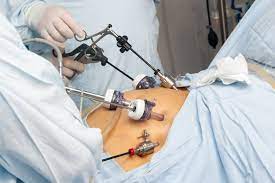
After waiting for more than nine hours, the women underwent laparoscopic tubectomy procedures—a common female sterilisation method involving small abdominal incisions to block or seal the fallopian tubes. Following their operations, 14 of the women were directed to recover on the bare facility floor due to an acute shortage of available hospital beds.
“Sterilisation is a surgical procedure. Regardless of how routine or minimally invasive it is considered, post-operative patients require clean bedding, elevation, continuous monitoring, and a sterile environment to prevent hospital-acquired infections and monitor for early complications,” said Dr. Sunita Rao, a public health specialist and gynecologist based in New Delhi who was not involved in the incident. “Lying on a floor directly after abdominal surgery violates fundamental infection control protocols and compromises patient dignity.”
District administrative officials confirmed that an official inquiry has been instituted to determine why the surgical team was delayed and why the facility hosted a mass procedure without ensuring adequate post-operative beds or overflow infrastructure.
The Clinical Necessity of Safe Post-Operative Recovery
Female sterilisation, or tubal ligation, is a minor surgical procedure, but it carries inherent clinical risks. The immediate post-operative window—typically the first two to six hours after anesthesia—is critical for patient safety. During this phase, trained clinical staff must actively monitor patients for several early complications:
-
Internal Bleeding or Hemorrhage: Monitoring vital signs like blood pressure and heart rate to catch internal vascular injury early.
-
Anesthetic Reactions: Observing for respiratory depression, prolonged sedation, nausea, or sudden drops in blood oxygen.
-
Infection Risks: Ensuring surgical sites remain clean, dry, and off unsterilized surfaces to minimize exposure to opportunistic pathogens.
-
Vagal Syncope: Managing sudden dizziness or fainting when patients first attempt to sit up or walk.
When patients are placed on facility floors, vital sign monitoring becomes physically difficult for nursing staff, hygiene cannot be maintained, and the risk of cross-contamination rises sharply.
A Systemic Pattern: Public Health Policy and the 2016 Supreme Court Mandate
This incident in Kendrapara is not an isolated event. Similar reports of post-operative bed shortages during mass sterilisation camps have emerged repeatedly from districts across Odisha—including earlier incidents in Jagatsinghpur and Aul—where health officials frequently cited space constraints, ongoing building renovations, or unexpected patient turnout as rationale.
Nationally, the issues surrounding “camp-based” sterilisation drives have drawn scrutiny for over a decade. In a landmark 2016 ruling (Devika Biswas v. Union of India), the Supreme Court of India directed central and state governments to systematically phase out mass sterilisation camps within three years. The apex court ordered a transition toward fixed-day services integrated into permanent, fully equipped health facilities.
The judicial directive aimed to ensure that family planning services prioritize:
-
Informed Consent: Ensuring choices are voluntary and free from quota-driven pressure.
-
Quality of Care: Adhering strictly to pre-operative screening and sterile operating environments.
-
Infrastructure Readiness: Guaranteeing adequate beds, post-operative care, and emergency referral protocols.
Despite policy shifts toward fixed-facility care, periodic high-volume camps persist in several rural sectors due to resource limitations, staffing shortages, and high demand for reproductive health services.
Patient Advice: What to Know Before undergoing Planned Procedures
For individuals seeking tubectomy or other minor outpatient surgeries at community health centers, medical experts emphasize the importance of patient advocacy and clear communication with care teams beforehand.
| Pre-Procedure Checklist | What Patients and Families Should Confirm |
| Recovery Allocation | Confirm that a clean, dedicated bed or stretcher is assigned for post-operative recovery prior to entering the operating room. |
| Monitoring Plan | Identify the nursing staff or medical personnel responsible for monitoring vital signs after the procedure. |
| Discharge Criteria | Ensure clear verbal and written instructions are provided regarding pain management, wound care, and warning signs (e.g., high fever, severe abdominal pain, active bleeding). |
| Emergency Contact | Know which local facility or helpline to reach if complications develop after returning home. |
Looking Ahead: Addressing Limitations and Restoring Public Trust
At present, official findings from the district inquiry remain pending. It remains unconfirmed whether any of the 14 women at Rajkanika CHC experienced immediate clinical complications, severe infections, or adverse surgical outcomes.
However, public health experts stress that the absence of immediate harm does not justify systemic lapses. Restoring public trust in government-sponsored health initiatives requires aligning administrative targets with uncompromising standards of clinical safety, sanitation, and patient respect.
References
-
Medical Dialogues. “Sterilisation Camp Marred by Bed Shortage: 14 Women Recover on Hospital Floor in Odisha, Probe Ordered.” Published July 21, 2026.
Medical Disclaimer: This article is for informational purposes only and should not be considered medical advice. Always consult with qualified healthcare professionals before making any health-related decisions or changes to your treatment plan. The information presented here is based on current research and expert opinions, which may evolve as new evidence emerges.