 0
0
 0
0
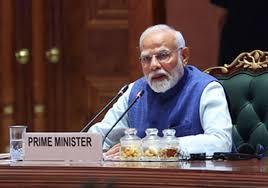
NEW DELHI — Addressing a growing national crisis that has shaken public trust in India’s medical education system, Prime Minister Narendra Modi described the high-profile compromise of the National Eligibility-cum-Entrance Test (NEET-UG) as a “grave sin” (ghor paap) on July 21, 2026. Speaking during a high-level meeting with parliamentarians, the Prime Minister assured students and parents that the government stands firmly with aspirants and promised unyielding, exemplary action against every individual involved in the breach.
The Prime Minister’s remarks follow weeks of intensifying student demonstrations, political sparring, and nationwide calls for systemic testing reform after allegations surfaced that question sets—specifically in key subjects such as Biology—were leaked prior to the examination. As anger mounts across major urban centers and political corridors, the Central Bureau of Investigation (CBI) has taken command of the multi-state probe. Federal agents recently apprehended several high-profile suspects, including subject-matter experts appointed by the National Testing Agency (NTA) accused of acting as central masterminds in a lucrative cheating network.
The Investigation: How Inside Access Compromised a Gateway Test
The NEET-UG serves as the sole, highly competitive gateway for admissions into undergraduate medical (MBBS), dental (BDS), and allied health courses across public and private institutions in India. For the 2026 testing cycle, more than 2.2 million candidates sat for the exam, vying for a limited pool of highly sought-after seats.
Investigators from the CBI revealed that the breach was not merely an external cyber intrusion, but an organized internal failure involving multiple layers of trust. Key developments in the ongoing investigation include:
-
Inside Exploitation: Federal agents arrested a senior botany educator and an academic translator appointed as subject experts by the NTA. Authorities allege these individuals accessed confidential Biology and Chemistry paper sets prior to the exam, conducting covert dictation sessions for paying candidates.
-
Commercialized Intermediaries: According to court filings, leaked material was funneled through regional intermediaries—ranging from coaching institute operators to local conduits—who allegedly charged aspirants fees reaching lakhs of rupees per question set.
-
Federal Shift: With thirteen arrests already executed across states including Maharashtra, Rajasthan, and Delhi, federal prosecutors told courts that two primary paper formats—one handwritten and one typed—were compromised.
“When entrance papers are circulated before an exam, it destroys the foundation of merit-based selection,” said Dr. Ananya Mukherjee, a senior health policy analyst and former medical faculty member who was not involved in the government probe. “The primary casualty here is not just the testing schedule—it is the psychological well-being of young aspirants who have dedicated years of disciplined study only to see their efforts undermined by bad actors.”
Public Health Implications: Guarding the Medical Pipeline
While exam security is often viewed through an administrative lens, health policy experts emphasize that entrance irregularities carry profound, long-term public health consequences. NEET-UG is the foundational pipeline feeding India’s doctor-to-patient workforce, which serves a population of over 1.4 billion people.
When the integrity of medical entrance exams is compromised, several cascading risks emerge:
                  ┌──────────────────────────────────────────┐
                  │      Compromised Exam Integrity          │
                  └────────────────────┬─────────────────────┘
                                       │
            ┌──────────────────────────┴──────────────────────────┐
            ▼                                                     ▼
┌───────────────────────┐                             ┌───────────────────────┐
│ Institutional Trust   │                             │  Workforce Timelines  │
├───────────────────────┤                             ├───────────────────────┤
│ Erosion of public     │                             │ Academic delays       │
│ faith in clinician    │                             │ defer internship &    │
│ competency standards. │                             │ residency placement.  │
└───────────────────────┘                             └───────────────────────┘
-
Erosion of Clinical Trust: Public healthcare relies heavily on the assurance that practicing physicians were selected strictly on merit and rigorous competency. Widespread doubts regarding entrance integrity risk eroding public trust in future cohorts of healthcare professionals.
-
Disruption of Medical Training Schedules: Cancellation, re-examinations, and prolonged legal disputes inevitably delay the academic calendar. Pushing back counseling and admissions delays the eventual entry of junior doctors into teaching hospitals, residency programs, and primary health centers that are already operating under capacity constraints.
-
Severe Psychological Distress on Aspirants: Chronic uncertainty and high-stakes re-tests take a severe toll on the mental health of adolescents and young adults. Medical educators note that psychological burnout before medical school even begins can negatively affect retention and well-being during clinical training.
Legal Oversight and Systemic Reform Debates
The ongoing scandal has prompted direct judicial scrutiny. Petitions regarding structural vulnerabilities within the NTA have reached the Supreme Court of India, where justices are monitoring administrative responses while cautioning against actions that could needlessly jeopardize the academic year for millions of innocent students.
Testing security specialists argue that preventing future breaches requires moving beyond reactive arrests toward comprehensive, layered defense systems:
-
End-to-End Digital Encryption: Replacing physical paper transit with encrypted, multi-factor digital delivery direct to examination centers minutes before test commencement.
-
Strict Forensic Auditing: Implementing real-time statistical analysis to flag abnormal performance clusters or unnatural score distribution leaps across specific regional centers.
-
Chain-of-Custody Overhauls: Enforcing strict, multi-party biometric logging for every individual involved in setting, translating, printing, and transporting examination materials.
Union Ministry officials have acknowledged structural gaps in the command chain and are evaluating a transition toward computer-based test (CBT) formats for future cycles to minimize human touchpoints.
Limitations and Unanswered Questions
Despite rapid arrests by federal investigators, significant gaps remain in the public record. Investigators have not yet established the exact geographical reach of the leaked materials or conclusively determined whether the compromised questions altered national percentile rankings on a broad scale or remained localized to specific coaching clusters.
Furthermore, legal experts urge caution regarding public assumptions. While initial evidence presented by the CBI points toward organized malfeasance, allegations against individual suspects must undergo full judicial trial and forensic verification before final verdicts are established. Disentangling verified investigative facts from unconfirmed social media rumors remains a critical challenge for both families and policymakers.
What This Means for Students and Health Consumers
For students and families navigating the current admissions cycle, health and education experts advise focusing on verified information channels:
-
Rely on Official Communications: Monitor announcements strictly from the National Testing Agency, the Ministry of Education, and designated judicial updates rather than unverified messaging app chains.
-
Prioritize Mental Well-being: Aspirants facing acute stress or anxiety due to exam delays should utilize institutional counseling resources and maintain structured routines while re-examination schedules settle.
-
Reassuring Public Quality: For health consumers, experts stress that medical education includes rigorous, multi-year internal assessments, practical clinical evaluations, and mandatory licensing exams (such as NEXT) before any candidate receives a medical license. Entrance integrity is the first filter, but professional standards remain anchored by years of clinical training.
As the CBI continues its nationwide investigation, the government’s handling of this breach will likely set new precedents for how high-stakes standardized testing is secured, monitored, and governed across the health sciences sector for years to come.
References
- https://medicaldialogues.in/state-news/delhi/neet-paper-leak-a-grave-sin-pm-modi-says-govt-stands-with-students-promises-strict-action-against-culprits-175439
Medical Disclaimer: This article is for informational purposes only and should not be considered medical advice. Always consult with qualified healthcare professionals before making any health-related decisions or changes to your treatment plan. The information presented here is based on current research and expert opinions, which may evolve as new evidence emerges.