 0
0
 0
0
WASHINGTON, D.C. — In a sweeping effort to confront a worsening public health crisis across the Western Hemisphere, the Pan American Health Organization (PAHO) and the Organization of American States (OAS) jointly launched a comprehensive set of regional guidelines on July 10, 2026. Dubbed the Regional Guidelines on Healthy Eating and Physical Activity Policies in School Settings—or PASAFE—the framework establishes a practical blueprint for governments to completely restructure the daily routines of millions of students, transforming schools from passive environments into active hubs of disease prevention.
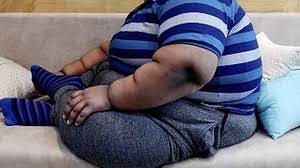
The sweeping initiative arrives at a critical juncture for the Americas, where childhood obesity and physical inactivity have climbed to historically unprecedented levels. Public health officials warn that without structural intervention in the environments where children spend the majority of their waking hours, the region faces a staggering long-term burden of chronic, noncommunicable diseases.
The Scale of the Crisis: By the Numbers
According to data maintained by PAHO, the nutritional landscape for youth in the Americas has degraded rapidly over the last two decades. The statistical reality driving this new policy push paints a stark picture for the region’s youth:
-
Overweight and Obesity: More than 30% of children and adolescents aged 5 to 19 in the Americas are currently living with overweight or obesity.
-
The 1-in-3 Threshold: In specific sub-regions, one in three children and adolescents lives with overweight or obesity, representing a tripling of prevalence rates since the late 20th century.
-
The Inactivity Epidemic: An astonishing four out of five children across the region are physically inactive, failing to meet the minimum daily exercise thresholds established by global health authorities.
“We are no longer looking at an isolated problem of individual behavior or parental choice,” says Dr. Elena Espinal, an independent pediatric endocrinologist based in Mexico City who was not involved in drafting the guidelines. “We are looking at a systemic, environmental disease. Ultra-processed foods have become the default, and sedentary behavior has been built into the modern school day. If you don’t change the environment, you cannot change the clinical trajectory of these children.”
Inside the PASAFE Framework: Diet and Movement
The PASAFE guidelines move away from traditional, lecture-based health education, shifting the focus toward systemic environmental modifications. The framework addresses two primary pillars of student health: the school food environment and daily movement opportunities.
1. Reengineering the School Food Environment
The guidelines mandate strict institutional boundaries on what can be sold, marketed, or distributed on school grounds. PASAFE provides legal and operational roadmaps for governments to:
-
Restrict the availability of calorie-dense, nutrient-poor processed foods and sugar-sweetened beverages in cafeterias and vending machines.
-
Completely eliminate the aggressive marketing of ultra-processed brands within school boundaries.
-
Establish mandatory, free water-consumption stations to replace sodas and sugary juices.
-
Align school meal programs with healthy public food procurement policies, explicitly encouraging schools to source fresh fruits, vegetables, and whole grains directly from local family farmers.
2. Standardizing Active Classrooms and Transport
On the movement front, PASAFE attempts to dismantle the traditional model of prolonged sitting. The framework introduces the concept of active classrooms, which integrate brief, structured physical movement breaks directly into academic lessons. Furthermore, it outlines policies for expanding formal physical education, facilitating safe “active transport” pathways (such as structured walking and cycling groups to school), encouraging unstructured active play during recess, and deliberately capping total daily sedentary time.
The Scientific Case for School-Based Intervention
The aggressive focus on schools is heavily supported by established epidemiological data. A comprehensive review by the World Health Organization (WHO) reinforces that regular physical movement during youth is a primary preventative measure against long-term development of hypertension, coronary heart disease, stroke, type 2 diabetes, clinical depression, and multiple forms of cancer.
Crucially for education ministries, WHO data also demonstrates a strong positive correlation between physical activity and cognitive function. Regular active classroom breaks and robust physical education programs have been shown to improve attention spans, classroom behavior, and overall academic achievement, debunking the long-held myth that movement detracts from study time.
Conversely, the rapid growth of childhood obesity in the Americas has been directly linked to dietary shifts toward ultra-processed foods.
“Behavior is profoundly shaped by price, access, and marketing,” notes Dr. Aris Valenzuela, a public health policy researcher at Johns Hopkins University who is independent of the PAHO/OAS initiative. “When a child is surrounded by low-cost, heavily marketed junk food and has zero opportunities to move, expecting them to maintain a healthy weight through sheer willpower is a public health fantasy. The PASAFE guidelines are designed to change the default setting so that the healthy choice becomes the easiest, most natural choice.”
Operational Limitations and Counterarguments
While widely praised by the medical community, public health analysts emphasize that the PASAFE guidelines are policy toolkits, not a magical cure. The ultimate success of the program depends entirely on domestic enforcement, local funding, and political willpower.
A primary limitation is the wide socioeconomic disparity among nations across the Americas. While high-income areas may easily transition to local organic procurement and modern cycling infrastructure, underfunded school districts in developing regions often lack basic running water, let alone the resources to completely overhaul food supply chains or expand physical education staff.
Furthermore, critics argue that focusing exclusively on schools overlooks the powerful external factors driving childhood obesity. A school cannot control family income levels, regional food deserts, the pricing disparities between fresh produce and cheap subsidized junk food, excessive domestic screen time, or the digital marketing ecosystems that target children via smartphones outside school hours.
What This Means for Families and Healthcare Providers
For families, the launch of PASAFE provides a powerful tool for local advocacy. Rather than shouldering the entire burden of lifestyle modification at home, parents can use these regional standards to engage school boards, demanding to know what foods are permitted near classrooms and how movement is being integrated into the standard school day.
For pediatricians and healthcare professionals, the announcement serves as a reminder that clinical counseling must extend into community advocacy. Clinicians are encouraged to support local school health initiatives, recognizing that medical interventions fail when patients return to environments that actively promote disease.
Ultimately, the PAHO and OAS framework acknowledges that safeguarding the health of the next generation requires transforming the very institutions designed to nurture them.
References
Institutional and Study Citations
-
Pan American Health Organization (PAHO). (2026, July 10). PAHO and OAS launch new guidelines to promote healthy eating and physical activity. Official Press Release.
Medical Disclaimer: This article is for informational purposes only and should not be considered medical advice. Always consult with qualified healthcare professionals before making any health-related decisions or changes to your treatment plan. The information presented here is based on current research and expert opinions, which may evolve as new evidence emerges.