 0
0
 0
0
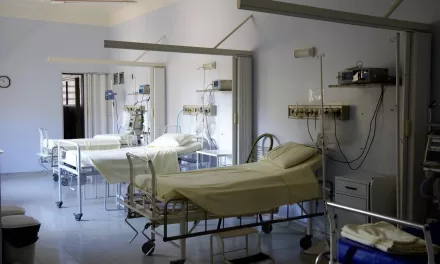
KINSHASA, Democratic Republic of the Congo — A United States citizen working for an international humanitarian organization in the Democratic Republic of the Congo (DRC) has tested positive for the Ebola virus and has been medically evacuated to Germany for specialized treatment, federal health officials confirmed. The case, announced by the U.S. Centers for Disease Control and Prevention (CDC) amid a surging outbreak in central Africa, highlights the viral risks faced by frontline aid workers. However, global health authorities stress that because of how the virus spreads, the immediate threat to the general public in the United States and Europe remains exceedingly low.
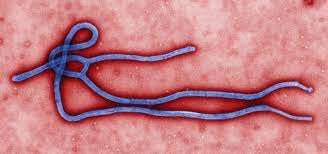
The medical evacuation follows a preliminary notification by the CDC that a U.S. responder had contracted the disease while operating in the region. The ongoing outbreak, officially confirmed by the World Health Organization (WHO), involves the Bundibugyo species of the virus—a distinct strain that presents unique hurdles for containment teams because it lacks the approved vaccines and targeted therapies available for more common strains.
A Growing Footprint in a Complex Crisis Zone
The current outbreak has expanded substantially since it was first identified in the DRC’s northeastern provinces. According to data released by the European Centre for Disease Prevention and Control (ECDC), the DRC has recorded 1,792 confirmed cases and 625 related deaths. Health workers have successfully placed 764 patients into specialized hospital isolation units, and response teams are actively monitoring 78.6% of identified contacts across the highly volatile Ituri and North Kivu provinces.
DRC EBOLA OUTBREAK AT A GLANCE (As of July 2026)
--------------------------------------------------
Confirmed Cases:      1,792
Related Deaths:       625
Case Fatality Rate:   ~34.9%
Patients Isolated:    764
Contacts Monitored:   78.6% (in Ituri & North Kivu)
Epidemiologists face an uphill battle. The WHO warned that the virus may have been circulating undetected for up to two months before official confirmation, allowing it to establish deep roots in the community. Furthermore, containment efforts are unfolding within a severe humanitarian crisis marked by community displacement, dense living conditions, and active regional insecurity. These factors make systematic contact tracing—the process of identifying and monitoring people exposed to an infected individual—immensely difficult.
The Bundibugyo Challenge: No Approved Vaccine
The biological reality of the Bundibugyo strain adds another layer of difficulty to the response. Unlike the Zaire strain of Ebola, which was successfully combated in recent years using the highly effective Ervebo vaccine, the Bundibugyo species currently has no licensed vaccine or specific antiviral treatment.
“When we deal with the Bundibugyo strain, our primary pharmaceutical tools are temporarily off the table,” explains Dr. Helen Jenkins, an independent infectious disease epidemiologist not involved in the DRC response. “While candidate vaccines and therapeutics are undergoing rapid clinical study, the mainstay of our response right now must rely entirely on classic public health interventions: rapid diagnosis, strict isolation, aggressive contact tracing, and optimized supportive care.”
Supportive care includes keeping patients hydrated, managing their blood pressure, and treating secondary infections. When administered early, these basic medical interventions significantly improve survival rates.
Transmission Realities vs. Public Perception
For health-conscious consumers watching from afar, the phrase “Ebola outbreak” frequently sparks intense anxiety. However, public health experts emphasize that the virus does not possess the pandemic potential of respiratory illnesses like influenza or COVID-19.
Ebola spreads strictly through direct contact with the bodily fluids (such as blood, saliva, vomit, or sweat) of a person who is actively symptomatic or has died from the disease. It cannot spread through the air, water, or casual contact like sitting next to someone on a bus.
Transmission Reality Check: An individual must have direct, broken-skin, or mucous-membrane contact with infected fluids to contract Ebola. As long as a patient is asymptomatic, they are not contagious.
“The risk to the United States public remains low,” stated Dr. Satish Pillai, the CDC official leading the agency’s Ebola response, during a media briefing. Dr. Pillai noted that the immediate isolation of the evacuated American worker demonstrates that international safety protocols function exactly as designed to intercept potential chains of transmission before they reach the wider public.
Public Health Implications and Practical Takeaways
For the average citizen, this development is a reminder of the global nature of infectious diseases rather than a cause for domestic alarm. Health systems in the U.S. and Europe utilize these international incidents to reinforce their own institutional readiness. Hospitals routinely update their screening protocols for travelers, ensuring that anyone presenting with a fever who has recently visited central Africa is quickly isolated and tested.
For individuals planning travel to sub-Saharan Africa, health authorities advise:
-
Consult Local Advisories: Review current CDC and State Department travel health notices for the DRC.
-
Avoid High-Risk Settings: Stay clear of healthcare facilities treating Ebola patients unless you are a trained medical responder utilizing full Personal Protective Equipment (PPE).
-
Practice Strict Hygiene: Wash hands frequently with soap and water or use alcohol-based hand sanitizer.
Surveillance Gaps and Technical Uncertainties
Despite the deployment of international aid, significant uncertainties cloud the true trajectory of the outbreak. The ECDC and WHO have openly acknowledged persistent surveillance gaps. Due to remote terrain and shifting rebel violence in eastern DRC, health teams cannot reach every village.
This means the official count of 1,792 cases is almost certainly an underestimation. Population movements across porous borders into neighboring countries also remain a persistent wildcard, keeping regional health ministries on high alert.
Ultimately, the evacuation of an American aid worker underscores the vulnerability of the humanitarian personnel fighting the outbreak on the ground. While global health organizations work to close surveillance gaps and evaluate experimental vaccines in the field, domestic health infrastructure remains robustly prepared to handle isolated, imported cases without endangering the broader public.
References
- https://www.reuters.com/business/healthcare-pharmaceuticals/us-citizen-congo-tests-positive-ebola-virus-us-cdc-says-2026-07-11/
Medical Disclaimer: This article is for informational purposes only and should not be considered medical advice. Always consult with qualified healthcare professionals before making any health-related decisions or changes to your treatment plan. The information presented here is based on current research and expert opinions, which may evolve as new evidence emerges.