 0
0
 0
0
KINSHASA, Democratic Republic of the Congo — A rapidly expanding outbreak of Ebola disease caused by the rare Bundibugyo virus has surpassed 1,810 confirmed cases and 620 deaths across East Africa and Europe, the World Health Organization (WHO) and the Centers for Disease Control and Prevention (CDC) confirmed in July 2026 updates. First officially declared as a Public Health Emergency of International Concern (PHEIC) by the WHO on May 16, 2026, the outbreak is centered in the conflict-affected eastern provinces of the Democratic Republic of the Congo (DRC) but has actively breached borders. International health teams are currently locked in a high-stakes race against time, hampered by regional insecurity, mass population displacement, and a complete absence of approved vaccines or targeted therapies for this particular viral species.
The Scale of the Current Surge
According to the CDC’s latest situation data, the DRC has borne the brunt of the crisis, recording 1,792 confirmed cases and 625 confirmed deaths. The neighboring nation of Uganda has documented 20 confirmed cases and 2 deaths, primarily centered within the Kampala Metropolitan Area, though no new cases have been identified there since late June. Highlighting the reach of modern global transit, French health authorities also reported a single lab-confirmed case involving a medical doctor who self-reported symptoms at Charles de Gaulle Airport after returning from a medical deployment in the DRC.
The WHO notes that the outbreak has entered an aggressive expansion phase, moving far beyond its original epicenter in the Mongbwalu health zone of Ituri Province. The virus has now penetrated at least 36 distinct health zones across three northeastern DRC provinces: Ituri, North Kivu, and South Kivu.
Health officials warn that these numbers likely reflect a significant underestimation. In a briefing, Anne Ancia, the WHO representative to the DRC, cautioned that some treatment centers are rapidly reaching maximum capacity, indicating that the true burden of the disease outpaces official counts.
Why the Bundibugyo Species Defies Existing Defenses
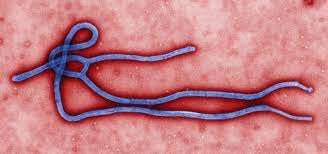
The driving anxiety behind the current health emergency is the specific pathogen responsible: the Bundibugyo ebolavirus.
While the international community grew accustomed to deploying highly effective medical interventions during recent West African and equatorial outbreaks, those tools were engineered exclusively for the Zaire ebolavirus strain.
“We are essentially fighting a familiar enemy with an entirely different armor,” says Dr. Helen Chu, an independent infectious disease epidemiologist not involved in the field response. “The Ervebo vaccine and monoclonal antibody treatments like Inmazeb, which successfully controlled recent Zaire outbreaks, provide insufficient protection against the Bundibugyo species. We are effectively forced back to the fundamentals of classic outbreak containment.”
The clinical progression of Bundibugyo virus disease further complicates early intervention:
-
The Incubation Window: The virus remains dormant inside the body for 2 to 21 days. Individuals are entirely non-infectious until they begin showing physical symptoms.
-
The Diagnostic Chameleon: Early symptoms closely mimic highly prevalent regional febrile illnesses like malaria, typhoid, or advanced influenza. Without prompt laboratory testing, early cases are routinely misdiagnosed.
-
Transmission Hotspots: The virus is highly contagious through direct contact with the blood, vomit, feces, or other bodily fluids of a symptomatic individual. Transmission spikes dramatically in healthcare facilities lacking rigorous infection protocols and during traditional burial practices that involve washing or touching the deceased.
Historically, the Bundibugyo virus carries a case fatality rate ranging from 30% to 50%. In the current outbreak, the crude case fatality ratio sits at roughly 34.6%, demonstrating that while it exhibits lower lethality than its Zaire counterpart, it remains exceptionally deadly.
Geopolitical Friction Points in Containment
Public health interventions do not occur in a vacuum, and the current response is unfolding in one of the most volatile regions on earth. The eastern DRC is fractured by active armed conflict, ethnic militias, and a long-standing humanitarian crisis that has displaced hundreds of thousands of civilians.
Large-scale refugee movements and commercial travel—particularly tied to small-scale artisan gold and tin mining hubs in Ituri—make meticulous contact tracing almost impossible. When armed groups disrupt transport routes, routine disease surveillance stands still.
Mistrust within local communities, fueled by historical grievances and medical misinformation, presents an equally formidable barrier. WHO Director-General Tedros Adhanom Ghebreyesus emphasized during a press briefing that improving contact tracing and cultivating community trust are the absolute prerequisites for bringing the transmission chains under control. When health workers face hostility or suspicion, infected individuals choose to remain at home, inadvertently exposing family members and causing unmonitored community deaths.
Global Public Health Mobilization
Despite these structural challenges, international agencies are deploying aggressive counter-measures. Rapid-response teams, expanded field labs, and isolated treatment units are being reinforced along key border entry checkpoints.
Critically, the WHO recently added the very first diagnostic test specifically optimized for the Ebola Bundibugyo virus to its Emergency Use Listing (EUL). This allows field clinics to rapidly distinguish the virus from malaria within hours rather than days. Furthermore, scientific protocols have pivoted toward therapeutic innovation; patient enrollment has officially commenced in a localized clinical trial designed to evaluate experimental antiviral candidates against the Bundibugyo strain.
Outbreak Containment Strategy Matrix (July 2026)
┌───────────────────────────────────────┬───────────────────────────────────────┐
│ CONTROL PILLARS                       │ OPERATIONAL BARRIERS                  │
├───────────────────────────────────────┼───────────────────────────────────────┤
│ • Targeted EUL Diagnostic Testing     │ • Active Conflict & Militia Violence  │
│ • Isolation & Supportive Hydration    │ • High Mobile/Migrant Miner Transit   │
│ • Experimental Clinical Trials        │ • Deeply Entrenched Community Distrust│
│ • Safe & Dignified Burial Teams       │ • Complete Absence of Licensed Vaccine│
└───────────────────────────────────────┴───────────────────────────────────────┘
The CDC maintains that the immediate threat to the Western public remains low, given how the virus spreads. Unlike respiratory pathogens like COVID-19 or influenza, Ebola cannot travel through the air. Transmission requires physical, direct contact with infectious fluids. Both the CDC and WHO strongly advise against imposing sweeping international travel or trade bans, noting that such blunt economic punishments often incentivize border evasion and severely compromise containment transparency. However, the CDC does recommend avoiding all non-essential travel to the directly affected provinces in the DRC.
Nuances and Limitations in Current Models
Epidemiological modeling teams from institutions like Imperial College London suggest that the initial spillover event from an animal reservoir—likely specific fruit bat species—occurred silently in January or February 2026. The fact that the virus circulated unmonitored for nearly four months before laboratory confirmation highlights deep systemic blind spots in rural health networks.
Some regional health officials argue that the international community’s focus on experimental therapeutics overlooks immediate resource shortages. They note that the most effective tool currently available is not a luxury drug, but standard aggressive supportive care: early intravenous rehydration, electrolyte stabilization, and symptomatic treatment. If funding is diverted away from basic clinical supplies toward high-tech drug trials, overall patient mortality could inadvertently rise.
What This Means for Global Health Literacy
For health-conscious citizens globally, the escalating situation in Central Africa serves as a sobering reminder of the interconnected nature of modern health security. A disease outbreak anywhere can become a threat everywhere within a single flight window, as demonstrated by the isolated case in France.
Vigilance, rather than panic, remains the appropriate response. The lesson of the 2026 Bundibugyo outbreak is clear: sustainable global health requires permanent health infrastructure, early diagnostic investment, and the careful cultivation of local community trust long before an epidemic strikes.
Reference Section
- https://en.yenisafak.com/world/ebola-cases-top-1800-as-dr-congo-outbreak-spreads-3720700
Medical Disclaimer: This article is for informational purposes only and should not be considered medical advice. Always consult with qualified healthcare professionals before making any health-related decisions or changes to your treatment plan. The information presented here is based on current research and expert opinions, which may evolve as new evidence emerges.