 0
0
 0
0
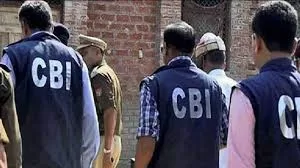
NEW DELHI — The Central Bureau of Investigation (CBI) announced a pivotal shift in its multi-state probe into the NEET-UG 2026 paper leak controversy, confirming that no official from the National Testing Agency (NTA) was directly involved in the breach. The case, which triggered the cancellation of India’s largest medical entrance examination and affected an estimated 2.3 million candidates, was handed to the CBI following widespread allegations of digital question paper circulation and illicit distribution network operations.
While the NTA quickly moved to schedule a re-examination, the unfolding investigation highlights deep systemic challenges within the examination ecosystem. The agency’s recent updates signal a critical distinction: while personal criminal culpability has not been traced directly to internal NTA staff, the probe continues to heavily examine gaps in institutional supervision, access control, and electronic safeguarding protocols.
The Digital Trail: How the Leak Unfolded
According to official disclosures from the CBI, the investigation indicates that the compromise did not stem from a simple physical theft at a local examination center. Instead, investigators have mapped a highly organized, cross-state network comprised of middlemen, coaching institute-linked actors, and students utilizing end-to-end encrypted messaging platforms to transmit illicit materials.
[Paper-Setting Ecosystem] ➔ [External Middlemen/Coaching Networks] ➔ [Encrypted Digital Sharing] ➔ [Candidates]
Early evidence indicates that “guess papers” and handwritten versions closely mirroring the actual exam questions were circulated digitally prior to the testing window. The CBI’s specialized teams have executed coordinated searches across multiple states, leading to the seizure of numerous electronic devices, hard drives, and communication logs to establish the exact chain of transmission.
Systemic Oversight vs. Direct Culpability
The determination that no NTA official was directly involved in leaking the documents narrows the criminal focus but does not absolve the testing body of administrative accountability. In high-stakes testing, security requires multi-layered infrastructure, including strict biometric access, tamper-evident logistical tracking, and robust data encryption.
Legal and educational experts note that an institution can remain vulnerable to external exploitation even if its personnel are not actively malicious. The current probe emphasizes how external networks exploited gaps in the periphery of the NTA’s paper-setting and distribution ecosystem, illustrating that structural vulnerabilities can be just as damaging as insider threats.
Independent Expert Perspectives
Independent education governance specialists emphasize that restoring public trust requires systemic overhauls rather than reactionary measures.
“Restoring absolute confidence in high-stakes examinations requires shifting from a reactive punitive model to a proactive, secure-by-design architecture,” states Dr. Sandeep Verma, an independent education policy consultant and former institutional adviser, who was not involved in the case. “We must minimize singular points of failure by implementing blockchain-verified logistics and decentralized, encrypted item-banking systems.”
Organizations monitoring the medical pipeline have voiced deep concerns over the broader impact on the future workforce. Representatives from the People’s Health Organisation (PHO) India publicly stated that recurring testing controversies have seriously undermined public confidence, emphasizing that securing national entrance examinations is an essential prerequisite for maintaining the integrity of the nation’s professional pipelines.
Public Health and Workforce Implications
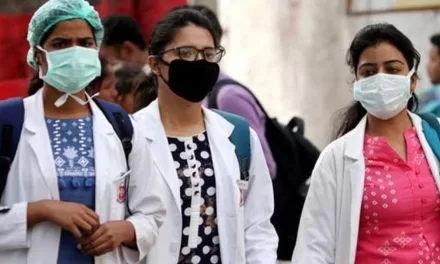
While frequently covered as an educational or political scandal, the NEET-UG disruption carries distinct public health implications. The National Eligibility cum Entrance Test serves as the singular gateway for undergraduate medical education in India, regulating the intake for the nation’s future healthcare workforce.
-
Pipeline Stability: Disruptions and prolonged legal uncertainties delay the academic calendar, creating cascading delays in internship completions, residency placements, and downstream workforce deployment.
-
Socioeconomic and Emotional Strain: The emotional and financial toll on 23 lakh candidates and their families creates significant acute psychological stress, an unmeasured public health burden.
-
Institutional Trust: When the primary gatekeeping mechanism for medical licensing faces integrity crises, it can inadvertently foster broader skepticism toward health regulatory frameworks, licensing boards, and public health directives.
Comparative Assessment: Scale of the Disruption
The scale of the NEET-UG 2026 incident underscores the immense logistical challenges facing centralized national testing.
| Metric | Status & Details |
| Total Impacted Candidates | Approximately 2.3 million (23 Lakh) |
| Primary Remedial Action | Complete cancellation of compromised sessions; mandatory re-examination |
| Re-examination Date | June 21, 2026 |
| Investigative Agency | Central Bureau of Investigation (CBI) |
| Primary Transmission Mode | Encrypted messaging platforms, scanned PDFs, and local intermediaries |
Investigation Limitations and Next Steps
As the judicial process moves forward, the legal outcomes will depend strictly on the evidence the CBI presents in court. The distinction between insider collusion and external systemic exploitation remains a central point of analysis.
Public health and education authorities caution against treating preliminary investigative findings as final summaries, as digital forensics involving encrypted networks frequently reveal new layers of transmission. Furthermore, policymakers are urged to look beyond arrests and prioritize the implementation of tighter audit trails and independent security reviews to prevent future vulnerabilities.
Actionable Guidance for Candidates and Families
For affected candidates and their families navigating this transition period, institutional clarity is paramount to preventing misinformation:
-
Rely Solely on Official Portals: Monitor updates exclusively through the official National Testing Agency portal (
neet.nta.nic.in) for verified schedules, admit card updates, and procedural instructions. -
Mitigate Misinformation: Refrain from sharing or acting upon unverified digital circulars, third-party answer keys, or unscheduled retest rumors circulating on social media or messaging platforms.
-
Report Anomalies: Forward any suspected illicit communications or solicitations from unverified coaching groups directly to official NTA or law enforcement grievance cells.
References
- https://medicaldialogues.in/state-news/delhi/no-nta-official-involved-in-neet-2026-paper-leak-cbi-174807
Medical Disclaimer: This article is for informational purposes only and should not be considered medical advice. Always consult with qualified healthcare professionals before making any health-related decisions or changes to your treatment plan. The information presented here is based on current research and expert opinions, which may evolve as new evidence emerges.