 0
0
 0
0
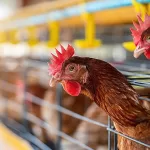
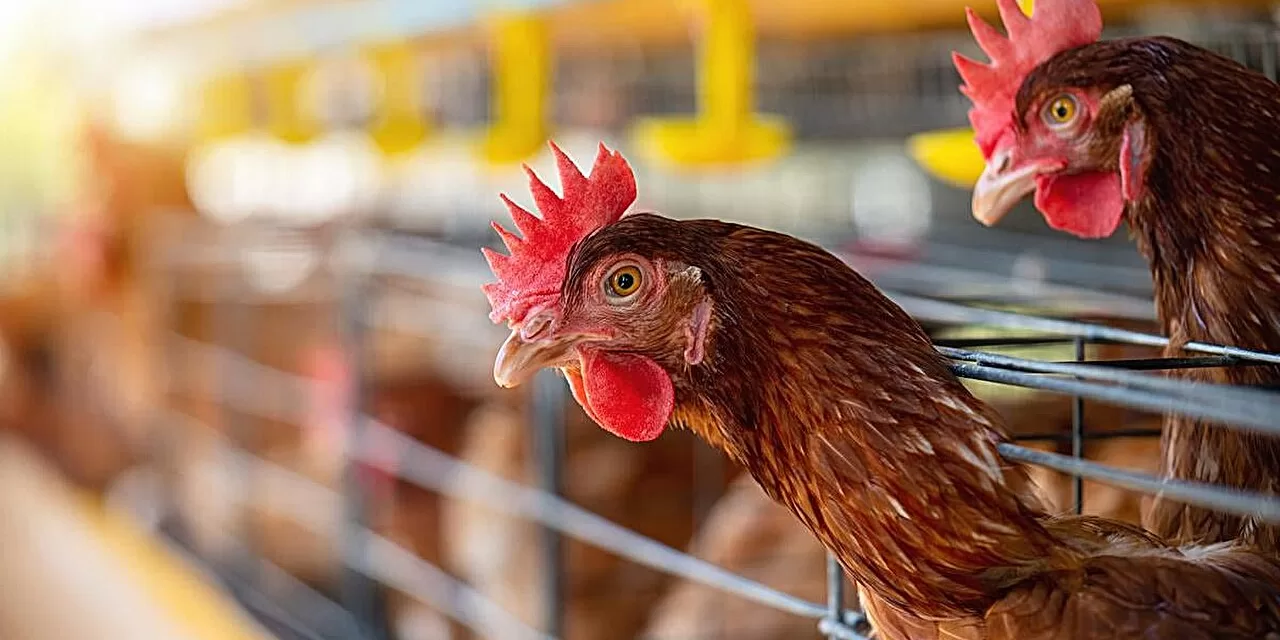
MANILA, Philippines — The World Organisation for Animal Health (WOAH) confirmed an outbreak of highly pathogenic avian influenza A(H5N1) among backyard birds in Calapan, Oriental Mindoro, Philippines. The official notification, based on findings from Philippine veterinary authorities, prompted the immediate culling of the 39 affected poultry alongside localized containment measures. The report was shared with international animal-health partners as part of routine mandate reporting under WOAH rules to mitigate regional agricultural risks and safeguard public health.
Key Findings and Regional Context
The localized outbreak was identified after laboratory testing confirmed the presence of the H5N1 virus within a small flock of 39 backyard birds. To prevent onward transmission, animal health workers rapidly implemented standard eradication protocols, and all birds within the affected flock were safely culled.
This detection comes amid sustained H5Nx avian influenza activity across Southeast Asia and recent detections in neighboring international territories. Veterinary and public health agencies have heightened surveillance across the region as a result. The Philippines Department of Agriculture has a history of managing sporadic avian influenza outbreaks—including H5N2 and various other H5 lineages in prior years. In alignment with international biosafety protocols, the Department’s Bureau of Animal Industry (BAI) routinely notifies WOAH of such events while deploying standard control measures, including localized movement restrictions and enhanced ring-surveillance.
Understanding the WOAH Report: Why Routine Tracking Matters
The notification issued by WOAH serves as a formal, laboratory-verified confirmation that a highly pathogenic strain of H5N1 caused illness at the Oriental Mindoro site. It also verifies that containment actions were swift.
From a public health and agricultural standpoint, international reporting is vital. When avian influenza viruses circulate widely in domestic or wild bird populations, the risk of geographical spread increases. This presents a dual threat: substantial economic devastation for the commercial poultry sector and independent smallholders, and the rare but serious potential for biological “spillover” events into mammalian species or humans. Strict monitoring by global health authorities ensures these evolutionary shifts are tracked in real-time.
Expert Perspectives: A ‘One Health’ Imperative
Public health experts stress that while the situation requires strict veterinary oversight, it does not warrant public alarm.
“We should view this primarily as an animal-health event that requires coordinated veterinary, agricultural, and public health actions,” explains Dr. Maria Santos, a veterinary epidemiologist at the University of the Philippines, who was not involved in the outbreak response. “The immediate priority is stopping local transmission among birds. Simultaneously, authorities must monitor any direct human contacts for signs of illness and enhance community-level surveillance.”
This approach directly mirrors standing guidance from the World Health Organization (WHO), which emphasizes that human cases of avian influenza are rare and primarily linked to direct, unprotected contact with infected poultry or heavily contaminated environments. Early detection, paired with transparent infection-control measures, remains the most effective tool to minimize human risk.
Transmission Dynamics and Environmental Background
Avian influenza A(H5) viruses are not new to Southeast Asia. Over the past decade, various subtypes—including H5N1, H5N2, and H5N6—have emerged periodically in both wild birds and domestic poultry.
[Wild Waterfowl / Natural Reservoirs]
               │
               ▼ (Contact via shared water or fomites)
[Backyard Poultry / Commercial Farms]
               │
               ▼ (Swift Intervention)
[Biosecurity Controls & Culling] ──► Transmission Halted
Wild waterfowl serve as the natural reservoirs for these viruses. Transmission to domestic flocks frequently occurs through direct contact or via fomites—contaminated equipment, footwear, vehicles, or feed. The Philippine Bureau of Animal Industry maintains an active surveillance framework, routinely publishing situational updates to ensure commercial farmers and backyard growers can implement biosecurity measures before the virus breaches their property.
Implications for Public Health and Consumers
For the general public, the detection of H5N1 in a backyard flock carries distinct practical implications depending on exposure level:
-
Low General Risk: The risk of human infection remains low for individuals who have no contact with birds. Those who keep backyard poultry, slaughter birds, or work within the commercial poultry industry face higher occupational risks and must utilize personal protective equipment (PPE).
-
Food Safety: Consumers are not at risk of contracting avian influenza from properly prepared food. The H5N1 virus is highly sensitive to heat and is entirely inactivated by standard cooking temperatures ($70^\circ\text{C}$ or higher throughout the meat).
-
Economic Impact: Localized culling and poultry movement bans can temporarily disrupt regional supply chains and fluctuate market prices. Smallholder farmers are encouraged to monitor official agricultural advisories regarding government compensation procedures and safe re-stocking timelines.
Limitations and Counterarguments
While vigilance is necessary, independent health analysts emphasize the importance of balanced reporting. The WOAH notice documents a highly localized event involving fewer than 40 birds. There are absolutely no reported human cases associated with this outbreak. Extrapolating a severe public health crisis from a singular, contained backyard event is scientifically unwarranted without evidence of sustained animal-to-human or human-to-human transmission.
However, a critical limitation in tracking avian pathogens is that surveillance sensitivity varies by region. The absence of reported human cases generally indicates low transmission dynamics, but it can also reflect gaps in community-level health reporting. Consequently, infectious disease experts advocate for sustained, active surveillance rather than assuming a permanent state of zero risk.
Practical Takeaways for Daily Health Decisions
For Backyard Flock Owners
-
Report Early: Notify local veterinary officers immediately if you observe sudden, unexplained illness or mortality in your birds.
-
Practice Biosecurity: Avoid handling sick or dead poultry with bare hands. Implement strict disinfection protocols for footwear and equipment moving near bird enclosures.
-
Comply with Restraints: Adhere to all localized movement restrictions to prevent carrying the virus to neighboring flocks.
For the General Public
-
Maintain Hygiene: Wash hands thoroughly with soap and water after handling raw poultry products.
-
Source Responsibly: Purchase poultry and eggs from reputable vendors subject to regulatory inspection.
-
Seek Care if Symptomatic: If you develop acute respiratory symptoms or a fever within 14 days of direct exposure to sick or dead birds, seek medical evaluation immediately and disclose your animal exposure history.
For Health Professionals
-
One Health Integration: Maintain open communication channels between veterinary authorities and human healthcare systems to ensure any unusual clusters of respiratory illness are investigated rapidly.
References
- https://realnewsmagazine.net/philippines-reports-bird-flu-outbreak-woah-confirms-cases/
Medical Disclaimer: This article is for informational purposes only and should not be considered medical advice. Always consult with qualified healthcare professionals before making any health-related decisions or changes to your treatment plan. The information presented here is based on current research and expert opinions, which may evolve as new evidence emerges.