 0
0
 0
0
ISLAMABAD — A sharp public dispute surrounding the roots of a pediatric HIV outbreak in Pakistan has thrust a long-standing national health crisis back into the global spotlight. Following recent reports of child infections, public remarks from high-ranking officials—including Health Minister Mustafa Kamal—have reignited intense debate over how the virus is spreading. While some political rhetoric has attempted to blame localized social behaviors and “night party-goers,” data from the World Health Organization (WHO), UNAIDS, and independent epidemiologists paint a starkly different reality. The evidence shows that a deeply entrenched culture of unsafe medical care, contaminated needle reuse, and weak infection control—rather than casual community contact or lifestyle factors—is the primary driver of HIV transmission among Pakistani children.
The crisis is not isolated. According to an urgent joint call to action issued by the WHO Regional Office for the Eastern Mediterranean and UNAIDS, Pakistan is currently facing one of the fastest-growing HIV epidemics in the region. Health authorities estimate that approximately 350,000 people are living with HIV nationwide, yet an alarming 80% remain completely unaware of their status. The shift in the virus’s demographic footprint is particularly jarring: new HIV cases among children aged 0 to 14 years skyrocketed from 530 in 2010 to 1,800 by late 2023, signaling that the infection is moving out of traditional high-risk keys groups and firmly into the wider community via clinical pathways.
The Footprint of Clinical Transmission
To understand the current crisis, public health experts point to historical data that established a clear blueprint for healthcare-associated outbreaks in the country. The most definitive proof of this mechanism comes from the massive 2019 outbreak in Ratodero, Sindh province.
A comprehensive cross-sectional outbreak investigation published in The Lancet Infectious Diseases documented that between April and July 2019, 930 individuals tested positive for HIV in the region. Crucially, 763 of those cases—more than 82%—were children under the age of 16.
2019 Ratodero Outbreak Profile:
Total Positive Cases: 930
Pediatric Cases (<16 years): 763 (82%)
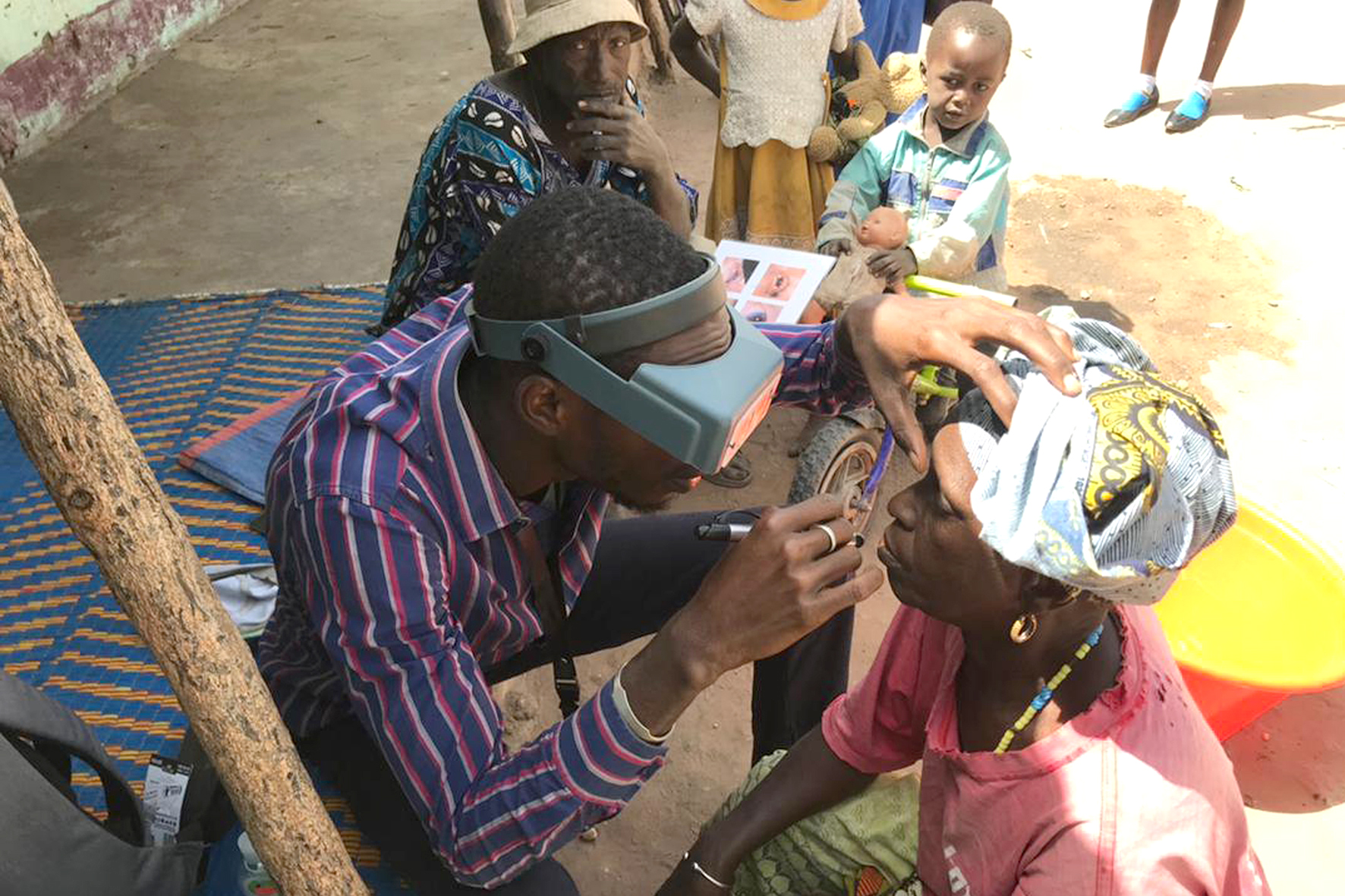
The epidemiological investigation quickly dismantled initial theories regarding maternal transmission. Only 11% of the mothers of these HIV-positive children tested positive for the virus themselves, effectively ruling out mother-to-child transmission as the primary cause. Instead, researchers found that 89% of the infected children had a documented history of receiving multiple medical injections for minor childhood illnesses from local clinics, pointing directly to the reuse of contaminated syringes and intravenous equipment.
Why Children Are Bearing the Burden
In pediatric medicine, HIV transmission generally occurs through a few highly restricted pathways: vertical transmission (from an untreated mother during pregnancy, labor, or breastfeeding) or direct exposure to infected blood. Because social contact cannot transmit the virus, repeated pediatric clusters signify structural breakdowns inside medical facilities.
Public health professionals not involved in the original investigations emphasize that the vulnerability of these children is compounded by a cultural preference for therapeutic injections over oral medications.
“In many rural and peri-urban areas of Pakistan, there is an unfounded belief among both patients and informal healthcare practitioners that an injection or an IV drip is inherently more powerful than a pill,” explains Dr. Fatima Mir, a pediatric infectious disease specialist at Aga Khan University who has monitored the outbreaks closely. “When you mix a high volume of unnecessary injections with informal, unlicensed practitioners who cut costs by reusing plastic syringes, you create a perfect vector for blood-borne pathogens like HIV and Hepatitis C.”
This clinical vulnerability is further exacerbated by gaps in the national blood banking system, where inadequate screening protocols occasionally allow contaminated blood products to enter the transfusion pipeline, affecting children requiring frequent transfusions for blood disorders like thalassemia.
Systemic Realities and the Cascade of Care
The public health impact of these recurring clusters extends far beyond immediate medical concerns, directly threatening community trust in the healthcare infrastructure. When public officials offer conflicting or stigmatizing explanations for an outbreak, families often become fearful, choosing to avoid clinics entirely or delaying vital diagnostic testing.
While Pakistan has successfully expanded its network of antiretroviral therapy (ART) centers—growing from just 13 specialized facilities in 2010 to 95 operational centers—overall treatment coverage remains profoundly inadequate.
| Metric | Current National Percentage |
| Awareness of HIV-Positive Status | 21% |
| Active Enrollment in Treatment (All Ages) | 16% |
| Pediatric Treatment Coverage (Ages 0–14) | 38% |
| Achieved Viral Suppression | 7% |
The broad gap between diagnosis and viral suppression means that thousands of individuals are unable to access the therapeutic benefits of modern medicine, which allow people living with HIV to live long, healthy lives while effectively eliminating the risk of transmitting the virus to others.
Limitations and Epidemiological Challenges
Epidemiologists urge caution when analyzing ongoing outbreak data before final molecular sequencing is completed. As outlined in a case-control study protocol published in BMJ Open, investigating outbreaks in rural regions presents distinct logistical hurdles.
-
Recall Bias: Parents of sick children frequently struggle to recall every specific clinic visit, injection, or medical practitioner seen over a multi-month period.
-
Selection Bias: Surveillance systems naturally capture patients who are actively seeking care at major hospitals, potentially missing asymptomatic or underserved individuals in remote villages.
-
Incomplete Records: Informal, unlicensed practitioners rarely maintain patient registries, making precise contact tracing exceptionally difficult.
However, researchers note that while tracking an individual child’s infection to a single, specific needle stick is rarely possible, the aggregate weight of evidence across multiple peer-reviewed studies remains clear: healthcare-associated transmission is the driving force behind these localized epidemics.
Direct Action and Patient Advocacy
For families navigating Pakistan’s complex healthcare landscape, public health agencies emphasize that safety requires active patient self-advocacy. The most critical steps for parents and individuals to protect themselves include:
-
Demanding Sealed Equipment: Patients should explicitly request that medical staff open packaged, single-use syringes and infusion sets directly in front of them.
-
Questioning Injections: Consumers should actively ask their doctors if oral alternatives, such as tablets or liquid suspensions, can be prescribed instead of injections or intravenous drips.
-
Verifying Credentials: Medical care should only be sought from licensed, registered practitioners who transparently adhere to established national infection-control regulations.
-
Antenatal Screening: Expectant mothers should ensure that HIV testing is integrated into their standard prenatal checkups, as early detection and modern ART regimens can reduce the risk of mother-to-child transmission to near zero.
“The recent outbreaks affecting our children are a stark reminder that we must immediately intensify our clinical prevention measures, scale up community testing, and aggressively regulate medical practices,” stated Dr. Luo Dapeng, the WHO Representative in Pakistan. “The path forward relies entirely on eliminating unsafe medical practices, ensuring accountability, and replacing fear and stigma with rigorous clinical standards.”
References
Study Citations
-
Mir F, Mahmood F, Siddiqui AR, et al. “HIV infection predominantly affecting children in Sindh, Pakistan, 2019: a cross-sectional study of an outbreak.” The Lancet Infectious Diseases. 2020;20(4):362-370. DOI: 10.1016/S1473-3099(19)30743-1.
-
Siddiqui AR, Nathwani AA, Abidi SH, et al. “Investigation of an extensive outbreak of HIV infection among children in Sindh, Pakistan: protocol for a matched case-control study.” BMJ Open. 2020;10(3):e036723. DOI: 10.1136/bmjopen-2019-036723.
Expert Interview & Institutional Sources
-
BBC News. “Pakistan hospital at centre of child HIV outbreak caught on film.” April 13, 2026.
Medical Disclaimer: This article is for informational purposes only and should not be considered medical advice. Always consult with qualified healthcare professionals before making any health-related decisions or changes to your treatment plan. The information presented here is based on current research and expert opinions, which may evolve as new evidence emerges.