 0
0
 0
0
Published July 22, 2026
When a patient enters a hospital, the fundamental assumption underlying their care is that the facility is a sanctuary for healing, governed by clinical judgment and the patient’s own consent. However, when public healthcare institutions become intertwined with executive authority and law enforcement, that delicate balance of trust faces severe strain.
On July 20 and 21, 2026, resident doctors from two of India’s premier medical institutions—the All India Institute of Medical Sciences (AIIMS), New Delhi, and Vardhman Mahavir Medical College (VMMC) & Safdarjung Hospital—addressed formal representations to President Droupadi Murmu. Their central message was clear: hospitals are places of medical treatment and clinical recovery, not extensions of law enforcement or detention centers.
The doctors’ intervention followed reports that climate activist and educationist Sonam Wangchuk, who had been transferred to Safdarjung Hospital following a prolonged hunger strike, was allegedly denied the right to leave against medical advice (LAMA) while under heavy police security. The controversy reached the Delhi High Court, which subsequently permitted Wangchuk’s transfer to Medanta Hospital, a private facility of his choice, while establishing a panel of doctors to oversee his treatment.
This incident has ignited a national conversation on bioethics, patient autonomy, and the ethical boundaries of hospital care during political or public health crises.
What Happened: The Conflict Between Clinical Need and Legal Directives
The controversy stems from the forced removal of Sonam Wangchuk from a protest site at Jantar Mantar by law enforcement following a multi-week hunger strike. Wangchuk was admitted to Safdarjung Hospital under heavy security. Reports soon surfaced indicating that although Wangchuk was a competent adult seeking to exercise his right to leave the hospital—a standard medical process known as Leave Against Medical Advice (LAMA)—he was not permitted to do so.
┌─────────────────────────────────────────────────────────────────────────┐
│                      THE DUAL RESPONSIBILITY DILEMMA                    │
├───────────────────────────────────┬─────────────────────────────────────┤
│      PATIENT AUTONOMY (ETHICS)    │    STATE OBLIGATION (LEGAL/LIFE)    │
├───────────────────────────────────┼─────────────────────────────────────┤
│ • Informed consent & refusal      │ • Duty to prevent loss of life      │
│ • Right to Leave Against Medical  │ • High Court-mandated clinical      │
│   Advice (LAMA)                   │   monitoring for fasting individual │
│ • Voluntary medical engagement    │ • Public order and safety mandate   │
└───────────────────────────────────┴─────────────────────────────────────┘
Wangchuk’s wife, Dr. Gitanjali Angmo, filed an appeal with the Delhi High Court, alleging that her husband was being held at the public facility against his will to prevent him from resuming his protest. On July 21, 2026, a Division Bench of the Delhi High Court comprising Chief Justice Devendra Kumar Upadhyaya and Justice Tejas Karia reviewed conflicting medical assessments.
While Wangchuk’s personal medical team noted that his vital signs remained stable under oral rehydration, clinical experts from AIIMS and Safdarjung Hospital testified before the bench that continuous hospital monitoring was medically necessary. They pointed to concerning laboratory findings, including:
-
Leukopenia (Low White Blood Cell Count): Significantly impairing the body’s immune response and increasing infection vulnerability.
-
Elevated Uric Acid: Indicating systemic muscle catabolism (breakdown) secondary to calorie deprivation.
-
Borderline Thrombocytopenia & Electrolyte Imbalance: Raising risks of sudden metabolic collapse or cardiac dysrhythmias.
Recognizing both the medical need for observation and the patient’s personal liberty, the High Court directed Wangchuk’s immediate transfer to Medanta Hospital in Gurugram, ordering that all diagnostic records from Safdarjung be transferred immediately to ensure continuity of care.
Why Doctors Spoke Up: Bioethics and Patient Autonomy
The representations submitted to the President by the Resident Doctors’ Associations (RDAs) of AIIMS and Safdarjung Hospital transcend the political specifics of a single case. The medical bodies emphasized three foundational principles of modern medical ethics:
1. Informed Consent and Right of Refusal: A competent adult possesses the legal and ethical right to refuse medical intervention, even when such refusal poses severe risks to health or life. Depriving a competent individual of LAMA without explicit, statutory legal authorization risks transforming a medical ward into a custodial facility.
2. Institutional Independence: Public healthcare centers must maintain absolute neutrality. When heavy security deployment, restricted ward access, and law enforcement oversight disrupt daily hospital routines, public confidence in healthcare institutions deteriorates.
3. Protection of Healthcare Staff: Clinicians warned that when public hospitals are perceived as instruments of state restraint, healthcare workers face increased risk of hostility from patients and the public who may suspect non-medical motives behind clinical actions.
Clinical Implications of Prolonged Fasting
From a physiological standpoint, managing a hunger strike presents severe clinical challenges. The body undergoes distinct metabolic phases during total or severe calorie restriction:
[Phase 1: Glycogen Depletion] ──> [Phase 2: Gluconeogenesis & Lipolysis] ──> [Phase 3: Protein Catabolism]
 (First 24-48 Hours)             (Days 3 to ~20)                            (Late Stage / Severe)
 Fast liver glycogen use         Fat breakdown for energy; body             Muscle & tissue breakdown;
 to maintain blood glucose       conserves protein stores                   organ impairment risks
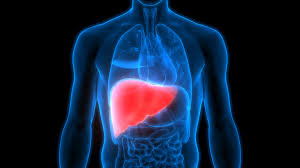
During Phase 1 (First 24–48 hours), the body exhausts liver glycogen reserves to maintain circulating blood glucose.
In Phase 2 (Days 3 to ~20), the body transitions into lipolysis (breaking down fat stores) and ketosis to supply ketone bodies to the brain.
If fasting extends into Phase 3 (Late Stage), fat stores become depleted, forcing the body to break down functional muscle tissue and cellular proteins (protein catabolism). This metabolic transition yields marked increases in serum uric acid—as noted in Wangchuk’s lab reports—and leads to key biological vulnerability:
-
Immune Suppression: Reduced synthesis of white blood cells (leukopenia) leaves the body unable to mount a normal defense against common bacterial or viral pathogens.
-
Electrolyte Dysregulation: Alterations in serum potassium, sodium, and magnesium levels directly impact cardiac membrane potentials, creating a high risk of lethal cardiac arrhythmias.
-
Refeeding Syndrome Risk: When a long-term fasting individual resumes nutrition, rapid fluid and electrolyte shifts (particularly phosphate depletion) can trigger acute heart failure, metabolic collapse, or neurological damage if not carefully managed by a specialized medical team.
Public Health Implications: Trust in Public Healthcare
The broader significance of the Delhi doctors’ letter rests on systemic public health trust. Public hospitals in India, such as AIIMS and Safdarjung, serve as primary safety nets for millions of citizens across diverse socio-economic backgrounds.
If patients begin to fear that entering a government medical facility could result in arbitrary restriction of their personal liberty or loss of bodily autonomy, vulnerable populations may delay or avoid necessary emergency care. Medical ethics scholars emphasize that maintaining a strict boundary between medical management and law enforcement is essential to preserving the doctor-patient relationship and upholding public faith in health institutions.
Limitations and Nuance
While the principle of patient autonomy is clear, its application in hunger strikes remains a complex subject in global bioethics.
The World Medical Association’s Declaration of Tokyo and Declaration of Malta explicitly state that clinicians must respect a competent fasting individual’s autonomous refusal of nourishment, provided the individual is free from undue coercion. However, state authorities often cite their constitutional duty to preserve human life and maintain public order as a competing obligation.
Medical experts caution that public reporting cannot replace a comprehensive bedside clinical assessment. Determining whether an individual is medically competent to make critical health decisions during severe starvation requires continuous evaluation of mental status, metabolic stability, and cognitive clarity. Balancing an individual’s fundamental rights with the clinical duty to prevent organ failure or death remains one of the most challenging dilemmas in modern medical practice.
References
-
Resident Doctors’ Association (VMMC & Safdarjung Hospital): Representation to President Droupadi Murmu regarding patient autonomy, LAMA provisions, and hospital ethics, Times of India & The Hindu, July 21, 2026.
Medical Disclaimer: This article is for informational purposes only and should not be considered medical advice. Always consult with qualified healthcare professionals before making any health-related decisions or changes to your treatment plan. The information presented here is based on current research and expert opinions, which may evolve as new evidence emerges.