 0
0
 0
0
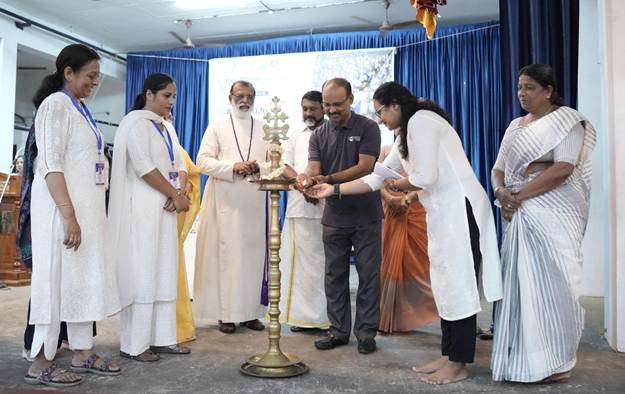
KOTTAYAM, KERALA — As the global countdown to the International Day of Yoga (IDY) 2026 intensifies, the conversation surrounding traditional Indian wellness systems has found a highly specific and clinically vital focus: women’s midlife health. On May 21, 2026, the Young Women’s Christian Association (YWCA) Kalathipady, in collaboration with the Morarji Desai National Institute of Yoga (MDNIY) under the Ministry of Ayush, hosted a flagship seminar titled “Yoga for Menopause – A Holistic Wellness Module.”
The educational intensive, launched just 32 days ahead of the annual global celebration, brought together medical professionals, traditional wellness experts, and community members. The primary objective was to position classical yogic practices and Ayurvedic lifestyle protocols not merely as spiritual exercises, but as evidence-based, supportive interventions for the physiological and emotional turbulence of the menopausal transition.
The Clinical Crossroads of Menopause
Menopause is fundamentally a biological milestone, diagnosed retrospectively after a woman has experienced 12 consecutive months of amenorrhea (the absence of menstruation). Nationally and globally, this transition typically occurs between the ages of 45 and 55. As the ovarian follicular pool depletes, the body experiences a sharp decline in key reproductive hormones, primarily estrogen and progesterone.
This biochemical shift triggers a cascade of acute and long-term changes, including:
-
Vasomotor instability (manifesting as hot flashes and night sweats)
-
Metabolic alterations (increased visceral fat accumulation and altered lipid profiles)
-
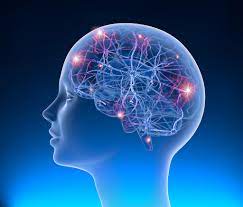
Neurological impacts (insomnia, mood swings, anxiety, and micro-cognitive disruptions colloquially termed “brain fog”)
While Hormone Replacement Therapy (HRT) remains the biomedical gold standard for severe symptoms, medical journalism and clinical fields increasingly recognize a growing demand for non-pharmacological, complementary therapies. This demand stems from both personal preferences and medical contraindications to hormone therapies, such as a history of hormone-receptor-positive breast cancers or cardiovascular risks.
An Anatomy of the Yogic and Ayurvedic Module
The Kottayam initiative sought to deconstruct these complex physiological shifts through a dual lens: the restorative pathways of specific yogic postures (asanas) and the systemic classifications of Ayurveda.
The Structural Flow of the Prescribed Yoga Module
Participants were introduced to a carefully curated sequence of structural and restorative asanas, designed to minimize physical strain while maximizing autonomic nervous system stabilization:
-
Tadasana (Mountain Pose): Establishes structural alignment and posture, combating the musculoskeletal shifts associated with declining bone density.
-
Baddha Konasana (Bound Angle Pose) & Balasana (Child’s Pose): These restorative, grounding postures help open the pelvic region and down-regulate active sympathetic nervous system activity (the body’s “fight-or-flight” response).
-
Setu Bandhasana (Bridge Pose) & Viparita Karani (Legs-up-the-Wall Pose): Gentle inversions that support venous return to the heart, reduce pelvic congestion, and alter the sympatho-parasympathetic axis to promote physical comfort.
-
Shavasana (Corpse Pose) paired with Pranayama: The structured deep breathing of Nadi Shodhana (alternate nostril breathing) and the resonant vibrations of Bhramari (bee breathing) are utilized specifically to quiet mental chatter, slow heart rate variability, and reduce baseline circulating cortisol levels.
Integrating Traditional Frameworks
From an Ayurvedic perspective, menopause is understood not as a disease state, but as a transitional shift governed by Rajonivritti (the cessation of menstrual flow). This phase marks the natural entry into the Vata-dominant period of life.
The seminar highlighted two primary concepts within this framework:
-
Vata Imbalance: The Vata dosha represents the principles of air, movement, and dryness. When aggravated during midlife, it manifests physically as dry skin, vaginal dryness, joint pain (Sandhishoola), and sleep disturbances, alongside psychological symptoms like anxiety and restlessness.
-
Dhatu Kshaya: This refers to the gradual, age-related depletion of deep bodily tissues (dhatus), including reproductive fluids (Artava).
To counter these shifts, the module emphasized targeted Ahara (dietary) and Vihara (lifestyle) adjustments. Instructors advised avoiding excessively spicy, dry, or highly processed foods that exacerbate internal heat or dryness. Instead, they advocated for warm, unctuous, nutrient-dense foods alongside restorative daily routines—such as gentle oil massage (Abhyanga)—to ground the nervous system and preserve tissue integrity.
The holistic program was formally inaugurated by Rt. Rev. Dr. Malayil Sabu Koshy, with supporting organizational leadership from representatives of the YWCA of India, CMS College, and the Kottayam Municipal Administration.
Parsing the Science: What the Data Shows
To integrate traditional systems safely into public health, modern clinical data must validate these methods. Over the last two decades, multiple peer-reviewed studies have scrutinized the relationship between yoga and menopausal quality of life.
The clinical reality reveals a nuanced landscape:
                  [ Clinical Efficacy of Yoga in Menopause ]
                                      │
         ┌────────────────────────────┴────────────────────────────┐
         ▼                                                         ▼
[ Proven Benefits ]                                     [ Unproven / Inconsistent ]
 ──► Psychological Symptoms (Anxiety/Stress)             ──► Bone Density Alteration
 ──► Sleep Quality (Melatonin Support)                   ──► Severe Vasomotor Instability
 ──► Cognitive Function & Mental Balance                 ──► Direct Estrogen Replacement
-
The Psychological Edge: A comprehensive systematic review and meta-analysis of randomized controlled trials (RCTs) published in The Journal of the North American Menopause Society analyzed data from hundreds of participants. The researchers found moderate, high-quality evidence linking regular yoga practice to short-term reductions in psychological symptoms, specifically anxiety, depression, and perceived stress.
-
Quality of Life Metrics: A notable large-scale RCT funded by the National Institutes of Health (NIH) and published in the American Journal of Obstetrics and Gynecology compared a 12-week yoga intervention against exercise and usual activity. The data revealed that while yoga had a modest, statistically limited impact on the absolute frequency of hot flashes, it showed significant, measurable improvements in overall menopausal quality of life (MENQOL scores), specifically within the psychological and sexuality domains.
-
The Neuro-Hormonal Mechanism: Clinical literature suggests that the slow, deliberate breathing patterns practiced during pranayama reduce oxygen consumption and stabilize autonomic functions. Evening mindfulness and meditation have also been linked to normalized cortisol secretion patterns and optimized plasma melatonin levels, directly explaining why practitioners consistently report improved sleep architecture.
Expert Perspectives and Public Health Implications
Dr. Ananya Rao, MD, an endocrinologist and women’s health specialist based in Mumbai who was not involved in the Kerala event, emphasizes a balanced approach to these findings.
“When analyzing wellness initiatives like the countdown session in Kottayam, we must avoid binary thinking,” states Dr. Rao. “Yoga and Ayurvedic lifestyle adjustments cannot replace estrogen or reverse biological ovarian aging. They do not cure severe clinical vasomotor symptoms or alter bone mineral density overnight. However, as an adjunctive, stress-reduction toolkit, they are remarkably effective. By lowering circulating stress hormones, women experience a higher threshold of tolerance for somatic discomfort, significantly improving their daily functional capacity.”
From a public health perspective, programs like the one organized by the Ministry of Ayush represent a shift toward low-cost, highly accessible, and self-managed community interventions. Menopause management remains underfunded and frequently stigmatized globally. Providing women with structured, safe, and non-pharmacological tools to manage stress and physical discomfort addresses a critical gap in preventative community health.
Limitations and Practical Guidance for Readers
While the integration of traditional traditional practices offers clear benefits, consumers must approach these programs with healthy medical literacy. A primary limitation of current research into traditional wellness modules is sample size variability and the lack of long-term, multi-year tracking data on compliance and objective physiological markers.
For health-conscious individuals looking to adopt this module, independent implementation requires adherence to several safety parameters:
-
Avoid Self-Prescription for Severe Pathologies: Women experiencing severe, debilitating menopausal symptoms—such as heavy, irregular dysfunctional uterine bleeding, severe clinical depression, or rapid bone loss (osteoporosis)—should not use yoga or dietary changes as a standalone substitute for an evaluation by a certified gynecologist.
-
Structural Adaptation: Postures like Setu Bandhasana or deep forward folds must be adapted safely if a reader has pre-existing spinal conditions or advanced osteopenia. Utilizing props like blocks, bolsters, and wall supports is strongly recommended.
-
Qualified Instruction: Traditional lifestyle changes, particularly those involving active Ayurvedic herbal supplements or rigorous physical regimens, should always be guided by certified practitioners who can screen for potential drug-herb interactions or physical limitations.
As the path to the International Day of Yoga 2026 continues, events like the Kottayam seminar demonstrate that ancient practices are at their best when stripped of mysticism and integrated into practical, evidence-based frameworks for everyday health.
Reference Section
Direct Source Material
-
Public Information Bureau (PIB) Delhi: “International Day of Yoga 2026 Countdown Continues in Kerala with Holistic Wellness Programme for Women – Kottayam Hosts Special Session on Menopause Wellness through Yoga and Ayurveda,” Published May 21, 2026.
Medical Disclaimer: This article is for informational purposes only and should not be considered medical advice. Always consult with qualified healthcare professionals before making any health-related decisions or changes to your treatment plan. The information presented here is based on current research and expert opinions, which may evolve as new evidence emerges.