 0
0
 0
0
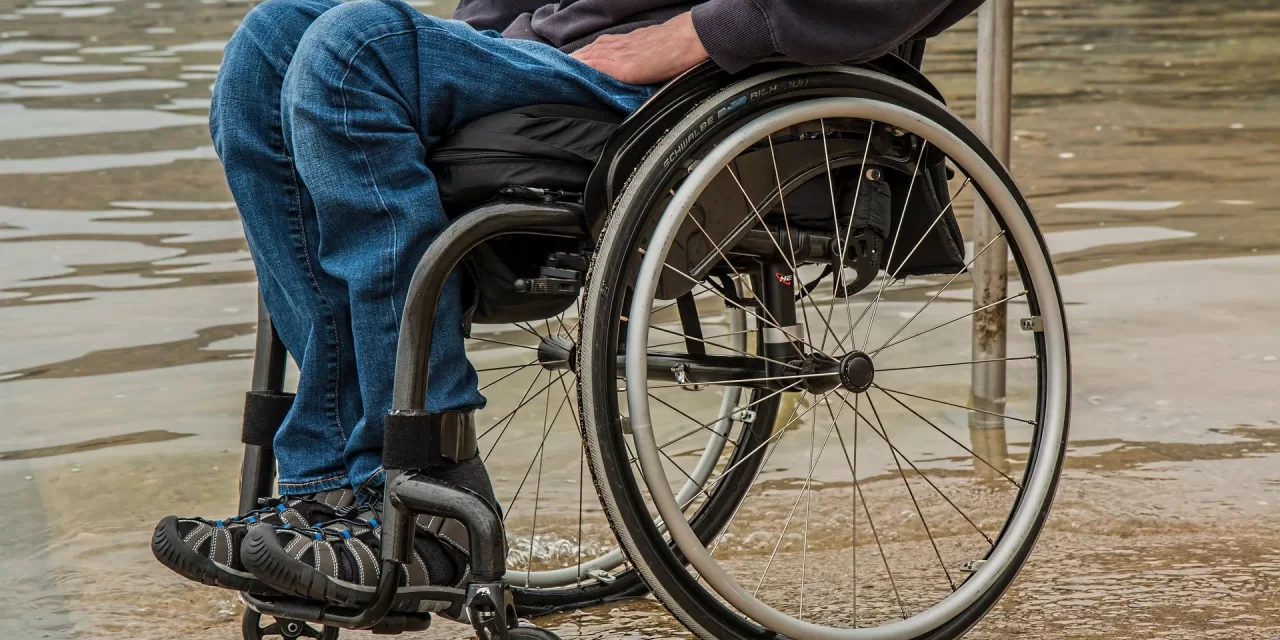
WASHINGTON, D.C. — While countries across Latin America and the Caribbean have made significant strides in passing laws and creating policies to protect persons with disabilities, those paper promises are falling short inside clinic doors and emergency departments.
According to a landmark technical report released by the Pan American Health Organization (PAHO) on May 7, 2026, disability inclusion across the region’s health systems remains deeply uneven. While governments have established regulatory frameworks, disability registries, and targeted institutional programs, day-to-day implementation remains fragmented. The report warns that inclusion across the Americas still relies far too heavily on isolated, small-scale initiatives rather than fully integrated, rights-based healthcare delivery and disaster management systems.
For the estimated tens of millions of persons living with disabilities across Latin America and the Caribbean, this gap between policy and practice directly impacts access to routine preventive care, chronic disease management, and life-saving interventions during natural disasters or public health crises.
The Gap Between Intent and Reality
PAHO’s comprehensive regional assessment highlights a structural divide in how healthcare systems are designed and operated. Rather than building flexible services around the diverse needs of patients, health infrastructure in the region continues to operate on a “one-size-fits-all” model designed around system supply rather than user demand.
Key findings from the PAHO assessment include:
-
Fragmented Data Systems: Health information systems frequently fail to collect disaggregated data regarding disability status. Without clear data, health authorities cannot accurately identify where coverage gaps exist or track health outcomes for persons with disabilities.
-
Inconsistent Professional Training: Training on disability rights, accessible communication, and reasonable accommodations is rarely integrated into standard medical and nursing curricula. Instead, it is treated as an optional add-on.
-
Generic Emergency Planning: Disaster response protocols and crisis management strategies across the region remain overly broad. During floods, earthquakes, or infectious disease outbreaks, emergency plans often lack provisions for accessible evacuation, adaptive medical transport, or continuity of specialized care.
-
Consultative, Not Decision-Making, Roles: Organizations representing persons with disabilities are frequently invited to offer input during public hearings, but they are rarely given structural authority or a seat at the decision-making table where budgets and operational policies are finalized.
“When you listen to people without giving them a vote in how resources are allocated, you end up with well-intentioned policies that fail on the ground,” explains Dr. Elena Rostova, an independent public health policy analyst and global health advocate not involved in the PAHO report. “Inclusion is not a decorative feature of a health system—it is a core element of clinical quality and human safety.”
Why Systemic Inclusion Matters for Public Health
Disability inclusion is far more than a legal compliance issue; it is a fundamental driver of public health outcomes. The World Health Organization (WHO) and PAHO both emphasize that persons with disabilities have a human right to the highest attainable standard of health. Yet, globally, they continue to experience premature mortality, higher rates of preventable secondary conditions, and greater barriers to basic preventive screenings.
In everyday healthcare settings, a lack of reasonable accommodations—such as sign language interpreters, accessible medical equipment (like height-adjustable examination tables), or easy-to-read health literature—means patients may delay or forego care entirely.
During emergencies, these vulnerabilities compound rapidly. When health systems lack continuity plans for individuals who rely on personal assistance, specialized medications, or electrical medical equipment, relatively minor disruptions can turn fatal. PAHO’s report stresses that embedding disability considerations into four core pillars—governance, financing, service delivery, and information systems—is essential to building health systems that are universal, resilient, and equitable.
+-------------------------------------------------------------------------------+
|                       FOUR PILLARS OF SYSTEMIC INCLUSION                     |
+-------------------------------------------------------------------------------+
|  GOVERNANCE       | Institutionalize disability rights into core health laws |
|                   | and give disability organizations decision-making power.  |
+-------------------+-----------------------------------------------------------+
|  FINANCING        | Dedicate sustainable budget lines for accommodations,    |
|                   | accessible technology, and infrastructure upgrades.       |
+-------------------+-----------------------------------------------------------+
|  SERVICE DELIVERY | Integrate universal accessibility and continuous clinical |
|                   | care protocols for both routine and emergency settings.   |
+-------------------+-----------------------------------------------------------+
|  INFORMATION      | Collect disaggregated health data to identify disparities  |
|  SYSTEMS          | and measure care outcomes for persons with disabilities.  |
+-------------------------------------------------------------------------------+
Regional Nuances and Implementation Limits
PAHO officials note that because the report evaluates regional trends, the severity and nature of these barriers vary considerably from country to country.
In some middle-income nations in Southern South America, for instance, physical accessibility in urban hospitals has improved, yet rural health clinics remain largely unprepared for patients with mobility or sensory disabilities. In smaller island nations in the Caribbean, limited financial resources and aging infrastructure pose distinct challenges to updating facility standards or digitizing accessible health records.
Furthermore, experts emphasize a key limitation in public health governance: passing progressive legislation does not automatically guarantee better patient care.
“Legislation is the absolute minimum baseline,” says Dr. Marcus Thorne, a health equity researcher specializing in Latin American health systems. “Without strict enforcement mechanisms, earmarked funding, transparent accountability metrics, and routine disaggregated data collection, a progressive law remains just words on paper. The PAHO report correctly pinpoints that the bottleneck is no longer political rhetoric, but operational execution.”
Four Strategic Priorities for Reform
To move from isolated initiatives to systemic transformation, PAHO outlines four core strategic priorities for ministries of health and regional policy leaders:
-
Mainstream Disability Protocols: Embed disability considerations across all general health policies, clinical protocols, and disaster management guidelines rather than isolating them in standalone programs.
-
Upgrade Disaggregated Data Systems: Standardize data collection methods across clinics and hospitals to monitor health trends, access barriers, and treatment outcomes among persons with disabilities.
-
Guarantee Reasonable Accommodations and Care Continuity: Establish mandatory standards for physical, sensory, and digital accessibility across all care points, alongside explicit plans for maintaining chronic care during public health crises.
-
Institutionalize Direct Participation: Create permanent, legally binding coordination mechanisms that grant organizations of persons with disabilities equal representation in health planning and resource management.
What Patients, Caregivers, and Clinicians Need to Know
For the broader public, the PAHO report underscores an essential truth: health systems that are designed to be accessible and adaptable ultimately deliver safer, higher-quality care for everyone. Accessible ramps, clear visual signage, simplified communication formats, and proactive emergency planning benefit aging populations, individuals recovering from temporary injuries, and non-native speakers alike.
For Healthcare Providers and Administrators
-
Measure Outcomes, Not Intentions: Evaluate clinic operations based on actual patient access and health metrics rather than the mere presence of an accessibility policy.
-
Institutionalize Staff Training: Incorporate disability etiquette, patient-centered communication, and reasonable accommodation procedures into routine onboarding and continuing professional education.
-
Audit Emergency Readiness: Ensure that disaster management plans at the facility level explicitly account for patients with diverse functional needs.
For Patients and Caregivers
-
Advocate for Accommodations: Request necessary adjustments—such as alternative communication formats, extended appointment slots, or physical assistance—prior to visits.
-
Inquire About Emergency Continuity: Ask primary care providers how care, prescription refills, and specialized supplies will be managed during local emergencies or power outages.
-
Engage with Patient Advisory Groups: Participating in community health boards helps ensure that local health facilities respond directly to the needs of the population they serve.
By shifting from piecemeal projects to structural equity, health systems across Latin America and the Caribbean can fulfill the core mandate of universal health coverage: ensuring that no individual is left behind when care is needed most.
References
- https://www.paho.org/en/news/20-7-2026-disability-inclusion-health-systems-and-emergency-management-remains-uneven-across
Medical Disclaimer: This article is for informational purposes only and should not be considered medical advice. Always consult with qualified healthcare professionals before making any health-related decisions or changes to your treatment plan. The information presented here is based on current research and expert opinions, which may evolve as new evidence emerges.