 0
0
 0
0
NEW DELHI — India’s apex drug regulator, the Central Drugs Standard Control Organisation (CDSCO), has formally approved Novo Nordisk’s blockbuster medication Wegovy (semaglutide 2.4 mg) for the treatment of adults with metabolic dysfunction-associated steatohepatitis (MASH). Announced by the company on Friday, July 17, 2026, this landmark regulatory expansion targets patients suffering from non-cirrhotic MASH who have progressed to moderate-to-advanced liver scarring (fibrosis stages F2 and F3). The decision positions Wegovy as the first injectable glucagon-like peptide-1 (GLP-1) receptor agonist authorized to address this progressive, life-threatening form of fatty liver disease in India, offering a critical therapeutic pathway in a country grappling with a surging metabolic health crisis.
The Rising Burden of a Silent Disease
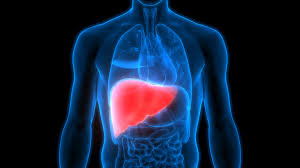
MASH, formerly known as non-alcoholic steatohepatitis (NASH), represents the severe, inflammatory stage of metabolic dysfunction-associated steatotic liver disease (MASLD). While simple fatty liver involves passive fat accumulation, MASH triggers chronic cellular stress, inflammation, and liver cell ballooning. Left unchecked, this persistent inflammation drives the deposition of collagen scarring—known as fibrosis—which can ultimately deteriorate into cirrhosis, liver failure, or hepatocellular carcinoma (liver cancer).
The clinical approval arrives amid alarming epidemiological shifts. Public health data indicates that up to two in three adults in India may live with some degree of metabolic fatty liver disease, driven heavily by skyrocketing national rates of visceral obesity, type 2 diabetes, and metabolic syndrome. Because MASH is notoriously asymptomatic in its early-to-moderate stages, millions of individuals remain undiagnosed until irreversible organ damage has occurred.
Trial Evidence: Reversing Scarring and Inflammation
The CDSCO’s regulatory clearance is anchored on robust interim data from the ESSENCE trial, an ongoing, international, phase 3 clinical study spanning 253 sites across 37 countries. The double-blind, randomized controlled trial evaluated 1,197 adult participants with biopsy-confirmed MASH and stage F2 or F3 fibrosis.
At the pre-specified 72-week interim biopsy analysis, the trial demonstrated striking histological improvements:
-
Steatohepatitis Resolution: 62.9% of patients treated with once-weekly semaglutide 2.4 mg achieved complete clearance of liver inflammation without any worsening of tissue scarring, compared to just 34.3% in the placebo group.
-
Fibrosis Regression: 36.8% of the semaglutide cohort experienced a reduction of at least one full stage in liver fibrosis without a worsening of their underlying inflammation, vs. 22.4% of those receiving the placebo.
-
Dual Response: Crucially, nearly one-third of treated patients (32.7%) achieved both primary endpoints concurrently—successfully clearing inflammation and reducing scar tissue—doubling the 16.1% rate seen in the placebo arm.
While the semaglutide group achieved an average body weight reduction of 10.5% compared to 2.0% in the placebo group, ESSENCE investigators noted that the observed liver benefits could not be mathematically explained by weight loss alone. This suggests that semaglutide exerts direct, independent pathways that mitigate fat accumulation and secondary inflammatory signaling directly within hepatic tissue.
Independent Expert Perspectives
“For decades, hepatologists have had to rely almost entirely on lifestyle counseling and off-label management because we lacked therapies capable of reversing actual structural damage in the liver,” said Dr. Philip Newsome, Director of the Roger Williams Institute of Liver Studies and a chief co-investigator of the trial, in an independent commentary. “The ESSENCE findings are highly significant because they confirm true histologic improvement—reversing the physical scarring visible under a microscope, rather than merely lowering liver enzymes in a blood test.”
Independent clinicians in India have welcomed the drug’s approval but urge structured clinical oversight. “The burden of MASH continues to rise in India, but treatment options are still severely limited,” observed Vikrant Shrotriya, Managing Director of Novo Nordisk India, in a statement highlighting the need to address connected cardio-metabolic risks.
Medical experts note that the therapy represents a dual-action breakthrough for a patient population where liver disease is intimately intertwined with diabetes and cardiovascular risk.
Limitations, Side Effects, and Real-World Hurdles
Despite the enthusiasm, the medical community emphasizes several critical caveats and limitations:
1. Interim Data vs. Long-Term Outcomes
The primary limitation is that this regulatory approval rests on a 72-week interim analysis. The full ESSENCE trial is scheduled to run for 240 weeks (approximately five years). Long-term durability data, extended safety profiles, and definitive evidence showing that the drug decreases “hard” clinical endpoints—such as liver transplantations, progression to full-blown cirrhosis, or liver-related mortality—remain unproven and await the trial’s final conclusion.
2. Adverse Gastrointestinal Profiles
Consistent with the GLP-1 receptor agonist class, gastrointestinal side effects were frequent. Patients on semaglutide experienced significantly higher rates of nausea, vomiting, diarrhea, and constipation compared to placebo. These side effects require a careful, upward dosage titration and close clinical monitoring to manage patient adherence.
3. Economic and Diagnostic Access Barriers
Real-world deployment faces steep economic hurdles in India. Wegovy is an expensive, branded, once-weekly subcutaneous injection. While domestic generic alternatives for weight management are entering the broader marketplace, access to branded Wegovy may remain limited to affluent urban demographics. Furthermore, the approval strictly mandates use in patients with moderate-to-advanced fibrosis (F2–F3), requiring precise diagnostic confirmation via liver biopsy or advanced non-invasive imaging (like elastography), which may not be readily available in rural or semi-urban healthcare settings.
What This Means for Consumer Health Decisions
For health-conscious individuals and patients, the core takeaway is that fatty liver disease must not be viewed as an isolated organ issue. It is a profound metabolic warning sign heavily interlinked with insulin resistance, obesity, and cardiovascular health.
Medical authorities stress that Wegovy is not a magic bullet or a standalone cure. Under the approved guidelines, the medication is strictly indicated as an adjunct to a reduced-calorie diet and increased physical activity. Lifestyle optimization—focusing on nutritional modifications, progressive exercise, and weight reduction—remains the mandatory foundation of MASH care.
Consumers are strongly cautioned against attempting to source GLP-1 medications through unauthorized digital storefronts or spas for casual cosmetic weight loss. The management of advanced MASH requires comprehensive medical evaluation, staging of liver fibrosis by a qualified gastroenterologist or hepatologist, and regular metabolic monitoring to ensure safety and therapeutic efficacy.
Reference Section
- https://www.reuters.com/business/healthcare-pharmaceuticals/india-approves-novo-nordisks-obesity-drug-wegovy-fatty-liver-disease-2026-07-17/
Medical Disclaimer: This article is for informational purposes only and should not be considered medical advice. Always consult with qualified healthcare professionals before making any health-related decisions or changes to your treatment plan. The information presented here is based on current research and expert opinions, which may evolve as new evidence emerges.