 0
0
 0
0
JOHANNESBURG — In a strategic move to address affordability and combat a rising global black market, pharmaceutical giant Novo Nordisk announced it will launch a lower-cost, authorized copy of its blockbuster diabetes medication, Ozempic, in South Africa on July 27, 2026.
The new product, which will be marketed under the brand name Extensior, arrives at a critical juncture. Demand for glucagon-like peptide-1 (GLP-1) receptor agonists—the class of medications to which semaglutide belongs—has surged exponentially worldwide. By introducing an official, lower-priced alternative, the drugmaker aims to widen access for patients with type 2 diabetes in a high-growth market increasingly constrained by supply shortages and steep out-of-pocket costs.
What is an ‘Authorized Copy’?
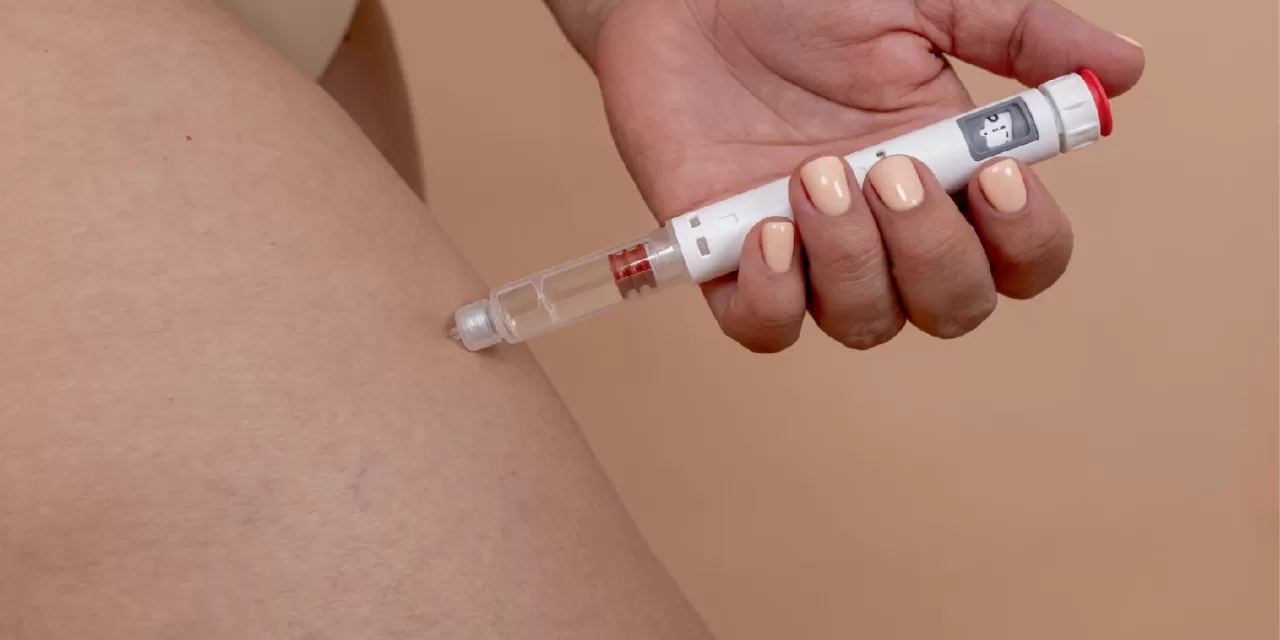
Unlike standard generic medications or biosimilars, which are developed by third-party manufacturers after a drug’s patent expires, Extensior is an authorized copy. According to Novo Nordisk, the medication will be manufactured directly by Novo Nordisk itself. It features the exact same active pharmaceutical ingredient (semaglutide), relies on the identical production process, and utilizes the same pre-filled injection pen delivery device as branded Ozempic.
Sara Norcross, Novo Nordisk’s General Manager for South Africa, stated that while precise commercial pricing will be finalized next week, Extensior is guaranteed to cost less than branded Ozempic.
To facilitate distribution and commercialization across the region, Novo Nordisk has partnered with Acino, a Swiss-based healthcare company specializing in expanding access to affordable, high-quality medicines in emerging markets.
The Public Health Stakes: Clinical Benefits and Global Shortages
Semaglutide has fundamentally transformed the landscape of metabolic medicine. According to the World Health Organization (WHO), the drug is primarily indicated for the treatment of type 2 diabetes, where it assists in lowering blood glucose levels and substantially reduces the risk of major adverse cardiovascular events, such as heart attacks and strokes.
However, the drug’s potent appetite-suppressing mechanisms have also made it highly sought after for off-label and on-label weight management in adults living with obesity or overweight individuals with weight-related comorbidities.
This unprecedented global popularity has triggered severe supply-and-access challenges. The scarcity of legitimate semaglutide has fueled a dangerous secondary crisis: a proliferation of counterfeit medicines. The WHO recently issued strict warnings regarding an influx of falsified semaglutide products identified in legitimate supply chains. These counterfeits often contain incorrect dosages, entirely different active ingredients (like insulin, which can cause fatal hypoglycemia), or unsterile compounds, creating profound safety risks for unsuspecting consumers.
For public health systems, an official, company-backed version like Extensior provides a dual solution: it lowers the financial barrier for patients while ensuring the medication remains entirely within a tightly regulated, secure supply chain.
Independent Experts Advise Caution and Clinical Supervision
While independent medical professionals view the introduction of a lower-cost option as a positive public health development, they emphasize that affordability should not alter the clinical stringency required to prescribe the drug.
The American Diabetes Association’s (ADA) 2026 Standards of Care in Diabetes highlight GLP-1 receptor agonists as crucial, evidence-based options for diabetes management—particularly when a patient’s treatment goals include weight management or cardiovascular risk reduction. However, the ADA emphasizes that these medications are components of a comprehensive clinical decision-making framework, rather than stand-alone miracle cures.
Independent clinicians also point out that semaglutide therapy requires careful patient selection due to its side-effect profile.
“Lowering the cost of semaglutide is a victory for patient adherence, but it does not change the clinical reality that this is a powerful hormonal medication,” says an independent clinical endocrinologist not involved with the Novo Nordisk rollout. “Gastrointestinal adverse effects—including nausea, vomiting, and diarrhea—are common. It must be carefully titrated and reserved for patients who meet clear diagnostic criteria, rather than viewed as an easy lifestyle fix.”
Public health authorities reiterate that a cheaper price tag does not eliminate the necessity of rigorous medical oversight. The WHO strongly advises patients to obtain semaglutide exclusively through licensed physicians and authorized pharmacies to guarantee product authenticity.
South Africa’s Evolving Pharmaceutical Landscape
The launch of Extensior highlights South Africa’s status as a highly competitive battleground for metabolic therapies. Just days before Novo Nordisk’s announcement, Sun Pharmaceutical Industries secured regulatory approval from South African authorities to launch its own generic version of Ozempic, intensifying market competition.
Furthermore, Novo Nordisk recently made price adjustments to Wegovy—its dedicated obesity formulation of semaglutide—in the South African market. Together, these movements reflect intense pressure on pharmaceutical companies to make advanced therapies financially viable in regions where commercial insurance coverage may be limited, and cost determines whether a patient sustains long-term treatment or goes without it.
Limitations, Cautions, and the Road Ahead
Despite the optimism surrounding the announcement, health economists and policy experts urge a tempered outlook. Because Extensior is an authorized copy controlled by the original patent holder rather than an open-market generic produced by independent competitors, the price drop may not be as steep as standard generic price erosions historically seen in other therapeutic classes.
Additionally, lower costs on paper do not automatically guarantee that medicine reaches patients. If global manufacturing capacities remain strained, or if local insurance formularies decline broad coverage, access bottlenecks will persist.
Ultimately, the primary public health value of Extensior lies in its potential to narrow the chasm between medical innovation and real-world accessibility. If the product achieves a stable distribution network and a genuinely accessible price point, thousands of South Africans living with type 2 diabetes could soon secure a highly effective therapy within a safe, verified framework.
What Readers Should Know
If you or a family member are considering semaglutide treatment, keep the following guidance in mind:
-
Prioritize Medical Suitability: Consult a qualified healthcare professional to evaluate whether semaglutide is appropriate for your specific metabolic profile.
-
Verify the Source: Never buy semaglutide from online marketplaces, research supply companies, or informal beauty spas. Ensure your prescription is filled by a licensed pharmacy.
-
Check the Packaging: Inspect batch numbers, expiration dates, and packaging integrity. Authorized copies like Extensior will share identical mechanical pen designs with branded Ozempic.
References
-
Study/Corporate Citation: Novo Nordisk / Reuters. “Novo Nordisk to launch lower-cost Ozempic copy in South Africa.” Published July 17, 2026.
Medical Disclaimer: This article is for informational purposes only and should not be considered medical advice. Always consult with qualified healthcare professionals before making any health-related decisions or changes to your treatment plan. The information presented here is based on current research and expert opinions, which may evolve as new evidence emerges.