 0
0
 0
0
NEW DELHI — In a major expansion of treatment options for metabolic conditions in India, the Central Drugs Standard Control Organisation (CDSCO) has approved a new liver disease indication for Poviztra (semaglutide). Announced by Emcure Pharmaceuticals following regulatory clearance on July 20–21, 2026, the drug is now formally indicated for adults living with non-cirrhotic metabolic dysfunction-associated steatohepatitis (MASH) who have moderate to advanced liver fibrosis (stages F2 to F3).
This clearance marks semaglutide as the first glucagon-like peptide-1 (GLP-1) receptor agonist approved in India specifically to treat this progressive form of fatty liver disease. Manufactured and imported from Novo Nordisk’s European facilities and co-marketed by Emcure as a second brand to Wegovy, Poviztra shifts from its original positioning in type 2 diabetes and chronic weight management directly into hepatology care. For millions of patients navigating complex metabolic disorders, this regulatory milestone provides a targeted pharmacological intervention where non-pharmacological lifestyle changes were previously the primary line of defense.
What Changed: Broadening the Scope of Semaglutide
The updated regulatory approval allows clinicians to prescribe Poviztra beyond weight loss and blood glucose control, formally targeting liver inflammation and tissue scarring.
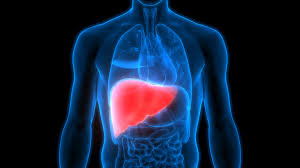
MASH—formerly referred to as nonalcoholic steatohepatitis (NASH)—is an advanced, inflammatory form of metabolic dysfunction-associated steatotic liver disease (MASLD). The condition occurs when excess fat accumulates within hepatocytes (liver cells), triggering sustained immune-mediated inflammation. Over time, this chronic inflammation damages liver tissue, causing a buildup of fibrous scar tissue known as fibrosis. Without intervention, fibrosis can progress to cirrhosis, liver failure, or hepatocellular carcinoma (liver cancer).
“The approval for MASH marks an important milestone for patients living with a serious and often underdiagnosed liver disease,” stated Satish Mehta, Chief Executive Officer and Managing Director of Emcure Pharmaceuticals, in a statement accompanying the announcement. “We look forward to working closely with healthcare professionals to improve awareness, encourage earlier diagnosis, and expand access to evidence-based treatment.”
By recognizing semaglutide’s therapeutic impact on hepatic tissue, the CDSCO decision aligns Indian clinical guidelines with a broader paradigm shift in metabolic medicine: treating the liver not as an isolated organ, but as a central player in cardiometabolic disease.
The Science: How GLP-1 Agonism Supports Liver Health
Semaglutide belongs to the class of medications known as GLP-1 receptor agonists. Naturally, the GLP-1 hormone is released by the gut after eating, stimulating insulin secretion, delaying gastric emptying, and signaling satiety to the brain.
+-------------------------------------------------------------------+
|                   SEMAGLUTIDE (GLP-1 AGONIST)                     |
+-------------------------------------------------------------------+
                                  |
         +------------------------+------------------------+
         |                                                 |
         v                                                 v
[ Systemic Weight & Metabolic ]               [ Direct & Indirect Liver Impact ]
• Slows gastric emptying                      • Reduces hepatic fat accumulation
• Enhances glucose-dependent insulin          • Decreases inflammatory cytokines
• Reduces total caloric intake                • Halts & reverses fibrotic scarring
         |                                                 |
         +------------------------+------------------------+
                                  |
                                  v
+-------------------------------------------------------------------+
|               MASH RESOLUTION & FIBROSIS IMPROVEMENT              |
+-------------------------------------------------------------------+
In MASH, systemic insulin resistance drives an excessive flow of free fatty acids directly into the liver. By improving systemic insulin sensitivity and reducing overall visceral fat, semaglutide decreases the influx of toxic lipid species into liver cells.
Clinical Trial Evidence
The regulatory approval in India was largely informed by robust data from the global Phase III ESSENCE trial:
-
63% of patients receiving semaglutide achieved complete resolution of steatohepatitis without worsening of liver fibrosis, compared to a placebo group.
-
37% of patients demonstrated a statistically significant improvement in liver fibrosis stage without worsening of steatohepatitis.
-
1 in 3 patients achieved both resolution of steatohepatitis and fibrosis improvement simultaneously.
Public Health Impact: Addressing India’s Silent Epidemic
Fatty liver disease has reached critical proportions across South Asia. According to epidemiologic estimates from health organizations, nearly one in three Indian adults suffers from some form of metabolic fatty liver disease, frequently driven by high rates of central obesity, dyslipidemia, and type 2 diabetes.
| Parameter | Clinical Profile / Burden in India |
| Estimated Prevalence | ~30–35% of the adult population living with MASLD/MASH |
| Target Population for Indication | Adults with non-cirrhotic MASH and F2–F3 (moderate to advanced) fibrosis |
| Primary Risk Factors | Type 2 diabetes, abdominal obesity, metabolic syndrome |
| Clinical Presentation | Predominantly asymptomatic until late-stage decompensation |
Because MASH causes no pain or obvious symptoms in its early stages, most individuals remain completely unaware of their condition until routine blood tests reveal elevated liver enzymes, or non-invasive imaging (such as FibroScan) detects stiffening of the organ.
Independent hepatologists emphasize that having a dedicated, evidence-based medication available in India will encourage primary care physicians, endocrinologists, and gastroenterologists to screen high-risk patients earlier.
“For years, clinicians treating MASH could only advise patients to lose weight and manage their diabetes, knowing how difficult sustained lifestyle changes are to maintain,” notes Dr. Ananya Roy, a consultant gastroenterologist not affiliated with Emcure. “Having a therapy that directly targets the underlying metabolic stress driving liver scarring gives us a far more effective tool in clinic.”
Critical Limitations, Side Effects, and Caveats
While the approval of Poviztra marks a key advancement, medical experts stress that it is not a universal “cure” for fatty liver disease, and several important caveats must be understood:
-
Not for All Liver Conditions: The CDSCO indication is strictly limited to adults with non-cirrhotic MASH and F2–F3 fibrosis. It is not approved for mild fatty liver (simple steatosis without inflammation) or for individuals who have already progressed to decompensated liver cirrhosis (F4).
-
Side Effect Profile: Like all GLP-1 receptor agonists, semaglutide commonly induces gastrointestinal side effects, including nausea, vomiting, diarrhea, constipation, and abdominal discomfort. Patients with a history of pancreatitis, gallbladder disease, or specific thyroid malignancies must discuss these risks with their physicians.
-
Lifestyle Remains Essential: Pharmacotherapy is designed to supplement—not replace—a balanced, nutrient-dense diet, routine physical activity, and alcohol restriction. Drug therapies demonstrate maximum efficacy when integrated into comprehensive lifestyle management.
-
Prescription-Only Requirement: Self-medication or off-label sourcing without medical oversight poses serious health risks. Careful staging of liver disease via non-invasive biomarkers, blood panels, or imaging is mandatory prior to initiating treatment.
What Patients Should Do Next
For individuals currently managing diabetes, obesity, or diagnosed fatty liver disease, the approval of Poviztra opens new pathways for targeted clinical care. Patients are encouraged to take the following proactive steps:
-
Schedule a Comprehensive Assessment: Speak with your primary doctor, endocrinologist, or hepatologist to evaluate your metabolic health, liver enzyme levels (ALT/AST), and metabolic risk markers.
-
Ask About Fibrosis Screening: If you have type 2 diabetes or central obesity, discuss non-invasive screening options—such as the FIB-4 index or transient elastography (FibroScan)—to check for underlying liver stiffness or fibrosis.
-
Review Individual Suitability: Work with your specialist to determine whether pharmacological treatment with a GLP-1 receptor agonist like Poviztra is appropriate for your specific stage of liver health.
References
-
Media Coverage: “Emcure’s Poviztra Gets CDSCO Nod for Fatty Liver Treatment,” IndiaMedToday, July 21, 2026.
Medical Disclaimer: This article is for informational purposes only and should not be considered medical advice. Always consult with qualified healthcare professionals before making any health-related decisions or changes to your treatment plan. The information presented here is based on current research and expert opinions, which may evolve as new evidence emerges.