 0
0
 0
0
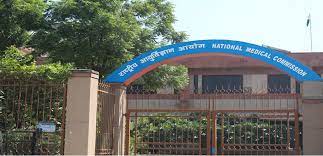
NEW DELHI — On April 7, 2026, the National Medical Commission (NMC) issued a stern public notice to medical institutions across India, clarifying that MBBS fees must only be charged for the 4.5-year academic phase of the program. The move comes as a response to mounting reports of colleges exploitatively charging fees for the final one-year mandatory internship—a period where no formal classroom instruction occurs. However, for the thousands of trainees and activists who have seen similar warnings come and go, the notice highlights a deeper systemic crisis: a widening gap between regulatory rhetoric and on-the-ground enforcement.
The New Directive: Capping the Cost of Education
The latest intervention by the NMC—India’s apex medical regulator—aims to curb what many describe as “fee-loading.” Under the NMC Act, 2019 and the Competency-Based Medical Education (CBME) guidelines, the MBBS journey is strictly divided into two phases: 4.5 years of didactic academic training and a one-year Compulsory Rotating Medical Internship (CRMI).
The Commission flagged a disturbing pattern where institutions were charging tuition for the full five or five-and-a-half-year period. By doing so, colleges essentially force students to pay for the privilege of providing labor during their internships.
The NMC’s notice specifically referenced the Supreme Court’s observations in Abhishek Yadav v. Union of India, a landmark case that warned against exploitative fee structures. The court’s stance is clear: education is not a “profit-making business,” and internship-linked charges are inherently unfair.
A Pattern of “Symbolic” Regulation
Despite the clarity of the April 7 notice, the medical community remains skeptical. History suggests that warnings from the regulator often lack “teeth.”
In 2023, the NMC introduced the Maintenance of Standards of Medical Education Regulations (MSMER-2023). This framework theoretically provides the NMC with a formidable arsenal of penalties:
-
Fines of up to ₹1 crore per violation.
-
Reduction in seat capacity.
-
Stoppage of admissions for future batches.
-
Withdrawal of recognition for the college.
However, data suggests these powers are rarely exercised. Critics argue that the transition from the old Medical Council of India (MCI) to the NMC in 2020 was meant to usher in an era of accountability, yet the “culture of impunity” persists.
“The NMC issues warnings from time to time, but there is no visible action,” says RTI activist Dr. Babu KV. An RTI reply in 2025 indicated that the NMC often views day-to-day enforcement as a state responsibility, creating a “grey zone” where colleges can navigate between central norms and local apathy.
The Stipend Crisis: Labor Without Pay
The financial strain on medical students extends beyond tuition. A nationwide NMC survey of 10,178 postgraduate (PG) students in 2023 revealed a grim reality:
-
21% of PG students received no stipend at all.
-
42% were paid significantly below government-college levels.
-
12% reported that their stipends were effectively “taken back” by college managements through hidden administrative charges or forced “donations.”
Dr. Aishwarya Mehra, a senior consultant psychiatrist, notes that this creates a profound psychological and professional “power imbalance.”
“Trainees are reluctant to complain because they fear academic retaliation. They worry about their future postings or having their exam signatures withheld,” Dr. Mehra explains. “Without transparent, publicized sanctions against offending colleges, the risk for the institution remains manageable, while the risk for the student is total.”
Public Health Implications: The Cost of Training Doctors
The integrity of medical education is not just a student issue; it is a public health imperative. Experts argue that an exploitative educational environment directly correlates with the quality of future healthcare.
“The cost of training directly shapes who becomes a doctor and where they practice,” says Dr. Ravi Sharma, a health-systems researcher in Delhi. “If students are burdened by debt and treated as cheap labor, we risk a workforce that is burnt out before they even begin their careers. This can lead to a migration away from public-sector practice and toward more lucrative, urban-centric specialties to recoup costs.”
The Counter-Perspective: Rising Operational Costs
Representatives from private medical education associations often offer a different view. They argue that the cost of maintaining state-of-the-art infrastructure, paying faculty under the new competency-based curricula, and meeting strict NMC standards is skyrocketing. They caution that aggressive fee caps or heavy fines without state subsidies could lead to a decline in the quality of education or even the closure of essential medical seats.
Practical Takeaways for Students and Parents
In the absence of consistent federal enforcement, the burden of vigilance often falls on the consumers of medical education. Advocacy groups suggest the following steps:
-
Demand Breakdown: Before payment, request a written breakdown of the fee structure. Ensure it aligns with the 4.5-year duration as per the NMC’s April 2026 directive.
-
Verify Stipend History: Research whether an institution has a history of stipend delays or “recovery” by speaking with alumni or checking student-run forums.
-
Document Everything: Maintain digital and physical copies of all fee receipts, bank statements showing stipend credits, and any official communication regarding financial demands.
-
Report Violations: If a college persists in overcharging, complaints should be filed simultaneously with the NMC, the state medical education authority, and, if necessary, via a writ petition in the relevant High Court.
The Path Forward
For the NMC to regain its credibility, legal experts suggest it must move beyond public notices. “Naming and shaming” non-compliant institutions by publishing penalty orders prominently on the regulator’s website would serve as a powerful deterrent and provide a necessary “buyer beware” signal to prospective students.
As India seeks to expand its medical workforce, the challenge remains: ensuring that the doctors of tomorrow are not the victims of the educational systems today.
Medical Disclaimer
This article is for informational purposes only and should not be considered medical advice. Always consult with qualified healthcare professionals before making any health-related decisions or changes to your treatment plan. The information presented here is based on current research and expert opinions, which may evolve as new evidence emerges.
References
- https://health.economictimes.indiatimes.com/news/policy/rules-warnings-little-action-nmc-under-fire-as-violations-persist-in-medical-colleges/130139902?utm_source=top_story&utm_medium=homepage