 0
0
 0
0
For generations, the “sunburn story” was settled science: UV rays strike the skin, mangle our DNA, and the body reacts with a painful, red warning. But a landmark study has just rewritten the opening chapter of that story.
New research published in the prestigious journal Molecular Cell reveals that the immediate, stinging inflammation we call a sunburn isn’t triggered by DNA damage at all. Instead, it is caused by damage to RNA—the molecular messenger that translates genetic instructions into proteins.
This discovery, led by international teams from the University of Copenhagen and Nanyang Technological University, Singapore, identifies a specific “molecular alarm” that detects broken RNA and screams for help long before the cell’s DNA repair kits have even clocked in.
The Molecular Sentinel: ZAK-alpha
To understand this shift, it helps to think of the cell as a high-security facility. For decades, we thought the alarm only tripped when the “master blueprints” (DNA) were shredded. This new research proves the alarm actually monitors the “work orders” (RNA) being sent to the factory floor.
The study centers on a specialized protein called ZAK-alpha. This protein acts as a guardian of the cell’s protein-making machinery, known as ribosomes. When UVB radiation hits the skin, it creates “kinks” and lesions in RNA strands.
As ribosomes attempt to read this damaged RNA, they get “stuck,” much like a car hitting a massive pothole. ZAK-alpha senses these molecular traffic jams immediately.
“We found that the first thing the cells respond to after being exposed to UV radiation is damage to the RNA, and that this is what triggers cell death and inflammation of the skin,” explained Professor Simon Bekker-Jensen, a lead researcher on the project from the University of Copenhagen.
Once ZAK-alpha detects the damage, it initiates a “scorched earth” policy: it triggers a rapid immune response that sends blood rushing to the area (redness) and causes damaged cells to self-destruct to prevent further errors.
Proving the Link: A Genetic “Off” Switch
The research team didn’t just observe this process; they proved it was the primary driver of sunburn symptoms through advanced genetic modeling.
In laboratory experiments using both human skin models and murine (mouse) models, researchers removed the gene responsible for producing the ZAK-alpha protein. The results were startling:
-
With ZAK-alpha: Skin showed the classic inflammatory response—swelling, redness, and cell death—within hours of UV exposure.
-
Without ZAK-alpha: The typical sunburn symptoms were virtually non-existent.
Even though the UV radiation was still hitting the cells and damaging their DNA, the “alarm” wasn’t there to trigger the painful inflammatory response. This confirms that ZAK-alpha is the essential middleman between sun exposure and the physical sensation of a burn.
Why the Distinction Matters
You might ask: If the sun still causes damage, why does it matter which molecule breaks first? For scientists, this is a “paradigm shift.” Understanding the specific pathway of inflammation allows researchers to look at skin health through a new lens.
“We used to think that DNA damage controlled the skin’s initial response to UV radiation, but now we know that RNA damage triggers a faster and more effective response,” said Assistant Professor Anna Constance Vind, a co-author of the study.
This “faster” response is actually a survival mechanism. By detecting RNA damage instantly, the body can clear out compromised cells before they have a chance to replicate or turn cancerous. In this light, a sunburn isn’t just an injury—it’s a highly tuned defense system.
Public Health Implications: The “Sunscreen Rule” Still Stands
While the biological trigger has been redefined, the dangers of the sun have not. Medical professionals are quick to point out that while RNA damage causes the pain, DNA damage still causes the cancer.
UV radiation remains a Class 1 carcinogen. Even if a future medical breakthrough were to “silence” the ZAK-alpha alarm to prevent the pain of a sunburn, the underlying DNA damage would still occur, potentially increasing the risk of melanoma and other skin cancers.
Current Sun Safety Statistics (Skin Cancer Foundation):
-
1 in 5 Americans will develop skin cancer by age 70.
-
Having 5 or more sunburns doubles your risk for melanoma.
-
Regular daily use of SPF 15 or higher reduces the risk of squamous cell carcinoma by about 40%.
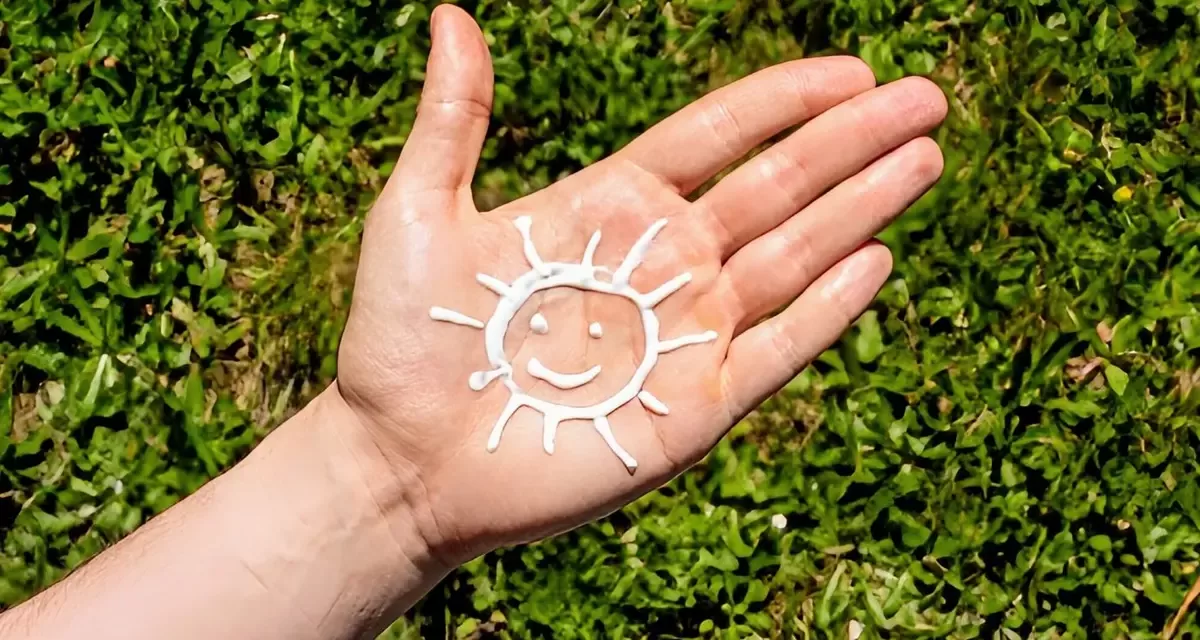
The practical takeaway for the public remains unchanged: Use broad-spectrum sunscreen, wear UV-protective clothing, and avoid peak sun hours (10 a.m. to 4 p.m.).
Future Frontiers: Beyond the Beach
The discovery of the ZAK-alpha pathway opens doors far beyond the pharmacy’s sun-care aisle. Because ZAK-alpha is involved in how cells handle stress, researchers are now looking into its role in other inflammatory conditions and how it might interact with certain cancer treatments.
In the future, we may see topical treatments that help manage extreme skin inflammation in patients with rare photosensitivity disorders. However, experts caution that we are years away from clinical applications. For now, the best “off switch” for ZAK-alpha remains a wide-brimmed hat and a bottle of sunscreen.
Medical Disclaimer: This article is for informational purposes only and should not be considered medical advice. Always consult with qualified healthcare professionals before making any health-related decisions or changes to your treatment plan. The information presented here is based on current research and expert opinions, which may evolve as new evidence emerges.
References
https://www.earth.com/news/main-cause-of-sunburn-finally-identified-rna-damage-not-dna-uv-exposure/