 0
0
 0
0
DHAKA — A resurgent measles outbreak is sweeping across Bangladesh, with health authorities reporting thousands of cases and dozens of confirmed deaths in a crisis that has now reached 58 of the country’s 64 districts. The World Health Organization (WHO) officially designated the national risk level as “high” following a formal notification from the Bangladeshi government on April 4, 2026. The surge has exposed critical vulnerabilities in the nation’s primary healthcare delivery and triggered an emergency nationwide vaccination campaign to stem the tide of one of the world’s most contagious diseases.
As of mid-April, the scale of the outbreak has reached alarming proportions. Data verified by the WHO through April 14, 2026, reveals 19,161 suspected cases and 2,897 laboratory-confirmed cases. Perhaps most distressing is the toll on the pediatric population: 166 suspected deaths have been recorded, with 30 already confirmed as measles-related. Public health officials note that the virus is hitting the youngest citizens the hardest, with 79% of all reported cases occurring in children under the age of five.
A Highly Contagious Threat Re-Emerges
Measles is a viral respiratory infection so infectious that a single carrier can infect up to 18 unprotected individuals. It spreads through respiratory droplets or smaller aerosolized particles that can remain suspended in the air for up to two hours after an infected person has left a room.
While often dismissed by some as a “standard childhood illness,” the clinical reality is far more severe. According to the WHO, measles can lead to devastating complications, including:
-
Severe Pneumonia: The most common cause of measles-related death in children.
-
Encephalitis: Swelling of the brain that can lead to permanent neurological damage.
-
Blindness and Ear Infections: Potential long-term sensory loss.
-
Severe Diarrhea: Leading to life-threatening dehydration, particularly in malnourished populations.
“The speed at which this virus moves through groups with low immunity is staggering,” says the WHO in its recent situational report. “Even a short delay in routine vaccination can leave an entire community exposed.”
Systemic Failures and “Immunity Gaps”
For two decades, Bangladesh was hailed as a success story in global immunization efforts. However, the current crisis highlights a fraying safety net. Experts point to a “perfect storm” of factors that allowed the virus to regain a foothold:
-
Declining Coverage: A steady drop in both first- and second-dose measles-rubella (MR) vaccine coverage.
-
Supply Chain Disruptions: Recurrent stockouts of the MR vaccine at the local level.
-
Lapsed Campaigns: The absence of a large-scale, nationwide supplementary immunization activity (SIA) since 2020.
-
Transition Gaps: The closure of a long-running health sector program in June 2024 without a robust transition plan.
Dr. Md Aminul Hasan of Quality Care Concern notes that the lack of a smooth transition between health programs created a vacuum in service delivery. This observation is echoed by Dr. Tajul Islam Bari, a prominent vaccinologist, who spoke at a recent policy dialogue in Dhaka.
“Funds had been allocated for vaccine procurement, but bureaucratic delays in file clearance and weak distribution management prevented vaccines from reaching the frontline service points on time,” Dr. Bari explained.
The Frontline Reality: Overcrowding and Vulnerability
In urban centers like Chittagong, hospitals are struggling to manage the influx. Dr. Syeda Humaida Hasan of Chittagong Medical College Hospital reported treating more than 226 suspected cases in the first three weeks of April alone.
The patients, she notes, are predominantly from low-income, overcrowded households where malnutrition is prevalent. Malnutrition, specifically Vitamin A deficiency, significantly increases the risk of mortality from measles. The International Federation of Red Cross and Red Crescent Societies (IFRC) has warned that the intensified transmission is putting “unsustainable pressure” on both urban and rural healthcare facilities.
The Public Health Response: A Race Against Time
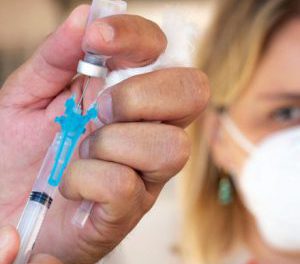
In response to the “High Risk” assessment, the Bangladesh government launched a targeted measles-rubella vaccination campaign on April 5. Initially focused on 30 sub-districts (upazilas) across 18 priority districts, the effort is now expanding nationwide.
The campaign targets children aged 6 to 59 months. In high-risk areas, the WHO has recommended administering doses to infants as young as six months—a “zero dose” strategy intended to provide early protection, though these infants will still require their scheduled routine doses later.
Public health success requires reaching a 95% vaccination threshold with two doses of the vaccine to achieve “herd immunity.” Anything less leaves the door open for the virus to continue circulating.
What This Means for Families
For parents, the outbreak serves as a stark reminder that vaccination is the only reliable defense. Dr. Mohsin Zillur Karim of Aamra Community Hospital warns that fear and misinformation can lead to tragic delays in seeking care.
Actionable Steps for Caregivers:
-
Verify Status: Ensure children have received both doses of the MR vaccine.
-
Recognize Symptoms: Look for high fever, cough, runny nose, and watery red eyes, followed by a characteristic rash that typically starts on the face and spreads downward.
-
Seek Immediate Care: If symptoms appear, visit a healthcare provider immediately. Early intervention, including Vitamin A supplementation, is critical in preventing severe complications.
-
Isolate: Keep symptomatic children away from others to prevent community spread.
Limitations and Uncertainties
While the data paints a grim picture, health officials caution that the situation is fluid. Reported death figures are currently undergoing rigorous verification, and as surveillance systems strengthen, the number of confirmed cases is expected to rise.
Furthermore, experts distinguish between vaccine “availability” and “accessibility.” While the national government may have stocks in central warehouses, “last-mile” delivery remains the primary hurdle. Until the bottleneck between procurement and the local clinic is cleared, the risk of transmission remains a potent threat to the nation’s children.
Medical Disclaimer
This article is for informational purposes only and should not be considered medical advice. Always consult with qualified healthcare professionals before making any health-related decisions or changes to your treatment plan. The information presented here is based on current research and expert opinions, which may evolve as new evidence emerges.
References
-
The Business Standard. “Measles resurgence highlights policy gaps and system failures.” Published April 19, 2026. Featuring interviews with: