 0
0
 0
0
KADAPA, INDIA — A small cluster of COVID-19 cases in the Kadapa district of Andhra Pradesh, which recently resulted in two deaths and eight active infections, is being characterized by medical experts as a localized event rather than the beginning of a wider statewide or national resurgence.
Following the report, health officials issued a statewide alert to intensify surveillance. While the announcement naturally sparked concern among residents, leading physicians emphasize that the current data does not indicate widespread community transmission. Instead, experts view the situation as a textbook example of how endemic viruses behave—producing isolated spikes that require close monitoring but not public panic.
Understanding the Kadapa Cluster: Increased Detection vs. True Resurgence
The sudden visibility of the Kadapa cluster stems largely from targeted public health protocols. When respiratory illnesses spike, hospitals ramp up diagnostic protocols.
Dr. Vamshi V, a Consultant in Internal Medicine at Gleneagles AWARE Hospitals, notes that the uptick in reported infections is closely tied to renewed testing efforts among symptomatic patients.
“The recent cases may look like a sudden comeback only because more people are being tested again,” Dr. Vamshi explains. “In public health, increased detection frequently makes a small, localized outbreak appear far more abrupt than it actually is.”
Public health officials treat these clusters with high priority because early containment—utilizing rapid testing, contract tracing, and targeted isolation—remains the most effective strategy to prevent localized transmissions from expanding into broader geographical regions.
Why Sporadic Spikes Happen: Endemicity and Waning Immunity
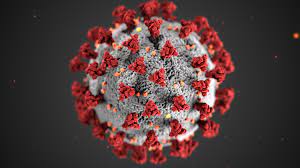
Medical experts stress that the presence of the virus is an expected reality of the post-pandemic landscape. SARS-CoV-2 has transitionally settled into an endemic state, meaning it continuously circulates at low levels globally and will periodically cause small, regional clusters.
Dr. Nidhin Mohan, Senior Consultant in Internal Medicine at Narayana Health City in Bengaluru, emphasizes that finding cases years after the pandemic’s major waves is entirely normal.
“It is not unusual to see infections long after the initial pandemic waves because the virus has become endemic,” says Dr. Mohan. “It remains in the environment and can still produce sporadic cases under the right conditions.”
According to clinical experts, several overlapping factors explain why these micro-outbreaks occur:
-
Waning Population Immunity: Over time, the natural immunity built up from prior infections begins to decline.
-
Declining Vaccine Protection Against Infection: While vaccines remain highly effective at preventing severe disease, their ability to block mild or asymptomatic infections diminishes months after the last dose.
-
Viral Evolution: The virus continues to mutate, finding minor structural ways to bypass initial immune defenses.
Dr. Kapil Iyer, a Consultant Transplant Pulmonologist at Apollo Hospitals Navi Mumbai, points out a common misconception regarding virus data. “It is vital to distinguish between periods of zero reported deaths and zero virus circulation,” Dr. Iyer states. “SARS-CoV-2 continues to circulate globally at low levels, even when it is not making headlines.”
Contextualizing Breakthrough Infections
A point of concern for many residents was the revelation that both individuals who died in the Kadapa cluster had been vaccinated. However, immunologists and epidemiologists caution that this should not be interpreted as a failure of vaccination programs.
Clinical data consistently shows that breakthrough infections—cases where a fully vaccinated person contracts the virus—can still result in severe outcomes or death in specific high-risk demographics. This includes older adults and individuals with severe comorbidities (underlying chronic illnesses) or compromised immune systems. For these populations, fading antibodies combined with pre-existing health vulnerabilities mean that even a weakened or familiar variant can pose a serious threat.
Public Health Implications and Ongoing Surveillance
The proactive response by Andhra Pradesh health authorities reflects India’s broader public health strategy. The Ministry of Health and Family Welfare continues to maintain its national COVID-19 dashboard and state-by-state monitoring systems.
| Public Health Tool | Current Function in Endemic Phase |
| National Dashboard | Tracks low-level baseline data to detect anomalous spikes early. |
| Localized Testing | Differentiates SARS-CoV-2 from seasonal influenza or RSV. |
| Contact Tracing | Confines small clusters to their original geographic footprint. |
This continuous baseline surveillance is crucial because respiratory pathogens are highly opportunistic, flaring up whenever localized herd immunity dips below a certain threshold.
Limitations and Uncertainties: What to Watch Next
As a journalistic limitation, it is impossible to definitively predict the trajectory of the Kadapa cluster based on ten initial cases. A small sample size cannot immediately reveal whether the virus will remain contained or spread into neighboring districts.
According to Dr. Iyer, the primary metric to watch over the coming days is epidemiological linking. If new cases emerge that have no clear, traceable connection to the original eight active patients, it could signal undetected community spread. Furthermore, health authorities state it is too early to draw conclusions regarding changes in variant severity or behavior from this cluster alone. Public health agencies typically wait for stable, multi-week data patterns before declaring a localized outbreak fully resolved.
Practical Takeaways for Daily Health Decisions
For the general public, the cluster serves as a reminder for risk-based precautions rather than a reason for anxiety. Health literacy means understanding that low risk does not equal zero risk.
Recognizing Warning Signs
Individuals living in or traveling through the affected regions of Andhra Pradesh should monitor themselves for standard respiratory symptoms. Medical attention should be sought promptly if an individual experiences:
-
A persistent, worsening cough
-
A sustained high fever
-
Any degree of breathing difficulty or shortness of breath
Protecting High-Risk Households
Because low-level spread is easily missed when people assume an illness is “just a seasonal cold,” utilizing rapid diagnostic tests helps protect vulnerable family members. Simple household preventive habits—monitoring symptoms, isolating from others when feeling unwell, and seeking early clinical evaluations for older adults—remain the most reliable tools for personal health management.
References
Study Citations & Reporting Source
-
ET HealthWorld. “Covid-19 cases in Andhra Pradesh not a sign of resurgence: Doctors.” Published July 2026.
Medical Disclaimer: This article is for informational purposes only and should not be considered medical advice. Always consult with qualified healthcare professionals before making any health-related decisions or changes to your treatment plan. The information presented here is based on current research and expert opinions, which may evolve as new evidence emerges.