 0
0
 0
0
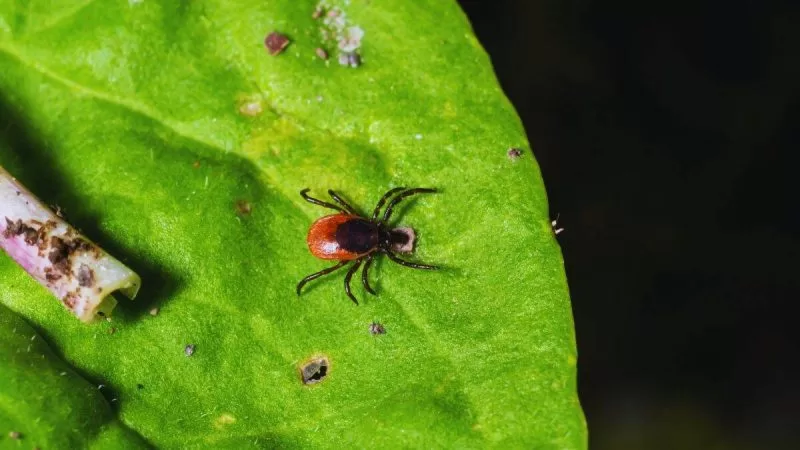
OTTAWA — Health officials and researchers across Canada are raising the alarm following a new commentary published in the Canadian Medical Association Journal (CMAJ) and a series of recent clinical cases highlighting a sharp rise in human granulocytic anaplasmosis. The bacterial tick-borne illness is transmitted by the exact same blacklegged (Ixodes scapularis) ticks responsible for spreading Lyme disease. With case numbers climbing across parts of Eastern Canada this summer, public health authorities are urgently calling for heightened clinician vigilance and robust public prevention measures.
The Emerging Threat: Key Findings
Medical professionals are increasingly identifying anaplasmosis in patients presenting with nonspecific, flu-like febrile illnesses. This rise is heavily concentrated in regions where blacklegged ticks have rapidly expanded their geographic range. The CMAJ report explicitly links this uptick to surging tick activity across multiple provinces, driven by shifting climate patterns and expanding wildlife habitats.
Anaplasmosis is caused by the bacterium Anaplasma phagocytophilum. The infection typically manifests 5 to 21 days after the bite of an infected tick. Symptoms generally include:
-
Sudden high fever and chills
-
Severe headaches
-
Severe muscle aches (myalgia)
-
Nausea, vomiting, or loss of appetite
-
Profound fatigue
While most cases resolve completely with prompt treatment, severe complications can occur. These include respiratory failure, sepsis, myocarditis (inflammation of the heart muscle), and encephalitis (inflammation of the brain). These life-threatening complications are most frequently reported in older adults or individuals who are immunocompromised.
Surveillance data from Ontario and neighboring provinces indicate that while the bacteria is not entirely new to Canada, case detection has risen substantially as diagnostic testing options and clinician awareness have evolved.
Expert Perspectives: A Need for High Suspicion
Because the early symptoms of anaplasmosis mirror those of common viral infections or Lyme disease, experts urge frontline physicians to look closely at environmental exposures.
“Clinicians need a high index of suspicion for anaplasmosis in anyone with an acute febrile illness and a history of possible tick exposure,” noted an infectious-disease specialist in recent media coverage of the CMAJ report. The specialist emphasized that initiating early, empiric treatment can entirely prevent severe clinical outcomes when suspicion remains high, even before lab results return.
Public health specialists studying vector-borne disease expansion attribute the surge to two primary factors: the wider geographic distribution of blacklegged ticks and increased public exposure as more Canadians spend time outdoors in fragmented woodlands and tall grasses. Public health strategy, experts argue, must seamlessly combine ongoing clinician education with aggressive public prevention messaging.
The Complexity of Tick-Borne Co-Infections
The biological reality of the blacklegged tick complicates both diagnosis and patient management. The same tick that transmits Lyme disease (Borrelia burgdorferi) can simultaneously carry Anaplasma phagocytophilum as well as Babesia species (the parasites responsible for babesiosis) and Powassan virus.
Clinical Insight: Co-infections present a distinct medical challenge. Patients bitten by a single tick may acquire multiple pathogens simultaneously, resulting in overlapping, highly severe symptoms that can easily confound standard diagnostic pathways.
Diagnosing anaplasmosis relies heavily on Polymerase Chain Reaction (PCR) testing of whole blood during the acute phase of the illness, or paired serology testing to demonstrate a significant rise in specific antibodies over time. However, early PCR tests can return negative results if the bacterial load is low, and serology requires weeks between samples to confirm a diagnosis. Historically, cases went under-recognized across Canada because clinicians prioritized Lyme disease testing, and laboratory protocols for broader tick-borne pathogens varied heavily by jurisdiction.
Implications for Public Health and Clinical Care
The shifting landscape of tick-borne diseases requires an immediate, dual-front response from both medical professionals and the general public.
For Clinicians
Physicians must include anaplasmosis in their differential diagnosis for any unexplained febrile illness following outdoor exposure in endemic or expanding regions. Early recognition is critical because the standard first-line treatment—the antibiotic doxycycline—is highly effective. Delaying therapy while waiting for laboratory confirmation significantly elevates the risk of severe complications, particularly in vulnerable populations such as the elderly or those suffering from immune suppression.
For the Public
Preventative behavior remains the strongest defense against tick-borne illness. Because a single tick can carry multiple diseases, preventing the bite entirely eliminates the risk of co-infection. Public health agencies recommend a layered approach to personal protection:
[Outdoor Exposure] ➔ [Apply DEET/Icaridin] ➔ [Wear Long Clothing] ➔ [Post-Activity Tick Check] ➔ [High-Heat Laundry Tumble]
-
Repellents: Use Health Canada-approved insect repellents containing DEET or Icaridin.
-
Clothing: Wear light-colored long-sleeved shirts and pants to make ticks easier to spot, and tuck pants directly into socks.
-
Tick Checks: Perform meticulous, full-body skin checks on yourself, children, and pets immediately after returning from outdoor activities.
-
Tick Removal: Promptly remove any attached ticks using fine-tipped forceps, pulling straight upward with steady pressure to avoid leaving mouthparts in the skin.
-
Laundry Care: Tumble-dry outdoor clothes on high heat for at least 10 to 15 minutes to kill any undetected ticks clinging to the fabric.
At the population level, the rising trend of anaplasmosis underscores the critical need for continued government investment in active vector surveillance, standardized laboratory testing guidelines nationwide, and targeted public outreach campaigns during peak tick seasons.
Limitations in Current Data
While the uptick in reported cases is clear, the CMAJ commentary notes an important caveat: much of the apparent statistical surge may reflect improved diagnostic tools and heightened clinician awareness rather than a purely exponential explosion of the infected tick population.
Furthermore, significant surveillance gaps persist. Inconsistent reporting requirements across different provinces make calculating precise national case counts and mapping real-time trends incredibly difficult. Because PCR sensitivity drops rapidly after the first week of infection, and paired serology requires a waiting period, true case numbers are likely underreported.
Practical Takeaways for Readers
-
Speak Up: If you develop a sudden fever, chills, severe headache, or muscle aches after spending time in wooded, brushy, or tall-grass areas, explicitly tell your doctor about your potential tick exposure.
-
Act Fast: Do not wait for a rash to appear. Unlike Lyme disease, anaplasmosis rarely produces a distinctive skin rash. Empiric antibiotic treatment should be considered based on symptoms and exposure history alone.
-
Protect Daily: Make personal tick defense a routine part of your outdoor summer activities.
References
-
Media and Clinical Reports: The Globe and Mail. (2026, July 13). “Doctors on alert for tick-borne disease after Ottawa man contracts anaplasmosis.” Reporting on recent clinical cases and practitioner advisories.
Medical Disclaimer: This article is for informational purposes only and should not be considered medical advice. Always consult with qualified healthcare professionals before making any health-related decisions or changes to your treatment plan. The information presented here is based on current research and expert opinions, which may evolve as new evidence emerges.