 0
0
 0
0
RIDE DE JANEIRO — A targeted prison screening program in Brazil has revealed a significant “hidden prevalence” of leprosy, raising urgent questions about how many cases of this ancient disease are going undetected worldwide.
The study, published in the peer-reviewed journal PLOS Neglected Tropical Diseases, uncovered 34 previously undiagnosed cases of leprosy among 1,250 inmates examined. The findings suggest that the chronic bacterial infection can remain completely invisible, even within institutional settings where basic medical care is theoretically available. Experts warn that the study exposes broader systemic vulnerabilities in public health surveillance, particularly in high-burden countries.
The Hidden Numbers Inside the Walls
Researchers initiated the active search by distributing a simple, 14-question symptom-suspicion survey to 1,400 incarcerated individuals, receiving an 64% response rate (896 responses). Following comprehensive clinical examinations of 1,250 inmates, medical teams confirmed 34 new cases of leprosy—translating to a remarkably high new case detection rate of 2.7%.
Alarmingly, 100% of the newly diagnosed inmates were classified as having multibacillary disease, an advanced stage of leprosy characterized by a higher bacterial load. This stage is not only more infectious but also indicates that the disease had been progressing unchecked for a considerable period.
The clinical findings paints a stark picture of advanced, unmanaged illness:
-
97.1% of the diagnosed inmates suffered from peripheral nerve impairment.
-
88.2% exhibited distinct skin lesions accompanied by altered sensation.
-
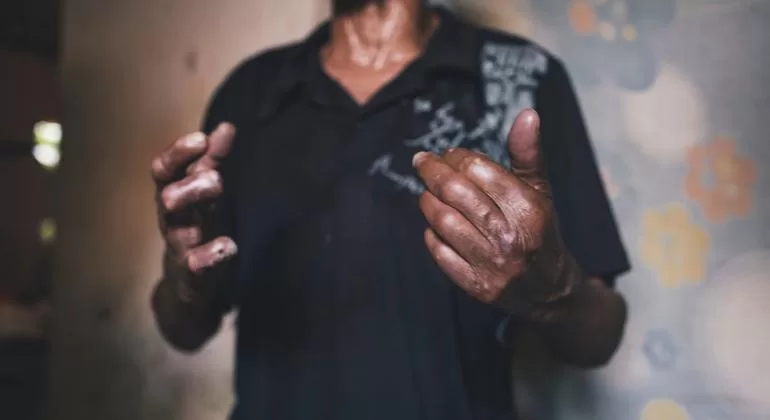
71.9% had already developed some degree of permanent physical disability at the time of diagnosis.
Importantly, the study authors concluded that these individuals likely contracted the infection within their home communities before their incarceration, rather than inside the facility itself. The prison environment, characterized by close quarters, merely served as a magnifying glass that brought a pre-existing community health gap into sharp relief.
Understanding Hansen’s Disease: Stigma and Symptoms
Leprosy, scientifically known as Hansen’s disease, is a chronic infectious disease caused by the bacterium Mycobacterium leprae. It primarily targets the skin, peripheral nerves, mucosal surfaces of the upper respiratory tract, and the eyes.
According to the World Health Organization (WHO), leprosy is entirely curable with multidrug therapy (MDT), a highly effective combination of antibiotics. Once treatment begins, the patient ceases to be infectious almost immediately. Furthermore, transmission requires prolonged, close contact with an untreated individual over many months; the disease cannot be caught through casual interactions like shaking hands, sitting next to someone, or sharing a meal.
Despite these medical facts, ancient stigmas continue to drive the disease underground.
“The true tragedy of leprosy today is not the lack of a cure, but the persistence of fear,” says Dr. Elena Rostova, an independent infectious disease epidemiologist not involved in the study. “The social stigma and discrimination surrounding physical deformities prevent people from seeking early care. By the time they finally see a doctor, irreversible nerve damage has often set in.”
In closed environments like prisons, crowded living conditions are compounded by a lack of specialized dermatological or neurological training among general medical staff, allowing early symptoms to be routinely overlooked.
Global Context and Public Health Implications
The implications of the Brazilian study extend far beyond a single correctional facility. The latest surveillance data from the WHO underlines that leprosy remains an active public health reality, with 172,717 new cases reported globally in 2024 alone. Crucially, 9,397 of these new diagnoses occurred in children, providing definitive evidence of ongoing, active transmission in communities.
Global distribution remains heavily concentrated, with three countries—India, Brazil, and Indonesia—each consistently reporting more than 10,000 new cases annually.
For the general public, the practical lesson is clear: early symptoms should never be ignored. Medical authorities emphasize that anyone experiencing persistent, discolored skin patches that lack feeling, enlarged or painful peripheral nerves, or unexplained muscle weakness should seek immediate medical evaluation. Catching the disease early protects the individual from lifelong disability and breaks the chain of transmission in the community.
Study Limitations and Expert Caveats
While the study underscores the value of proactive screening, independent experts urge caution regarding how the data is interpreted.
Because this screening took place within a specific facility, the 2.7% detection rate cannot be generalized to all prison populations globally or even nationwide. Furthermore, the researchers noted critical logistical barriers, such as an inability to conduct follow-up evaluations on inmates who were released during the study, as well as a lack of resources to screen the household contacts of those diagnosed.
Public health officials also emphasize that while a 14-question symptom checklist is an excellent, low-cost tool to identify high-risk individuals, it is not diagnostic on its own.
Active case-finding strategies must pair simple questionnaires with trained clinical eyes, thorough nerve palpation exams, and skin smear or biopsy infrastructure to prevent false positives and ensure proper typing of the disease.
The Path Forward: Deliberate Looking
The overriding lesson of the research is that neglected tropical diseases flourish in the shadows of neglect. Waiting for patients to self-present to clinics with obvious physical deformities represents a failure of early intervention.
For institutional health networks, the study makes a compelling case for integrating active, low-cost symptom screening into routine intake protocols. For the broader public, it serves as a powerful reminder that eliminating a disease requires actively looking for it, dismantling social stigma, and ensuring that healthcare reaches the most marginalized corners of society.
Reference Section
- https://www.emjreviews.com/dermatology/news/prison-screening-exposes-hidden-burden-of-leprosy/
Medical Disclaimer: This article is for informational purposes only and should not be considered medical advice. Always consult with qualified healthcare professionals before making any health-related decisions or changes to your treatment plan. The information presented here is based on current research and expert opinions, which may evolve as new evidence emerges.