 0
0
 0
0
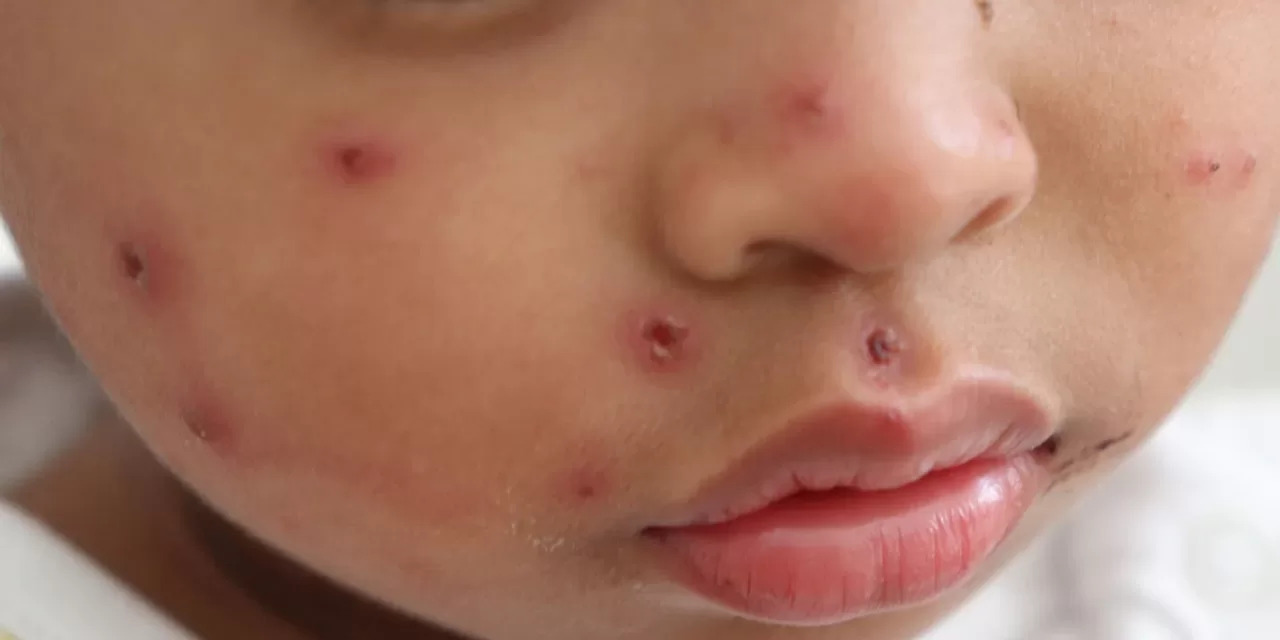
ISLAMABAD — A double-pronged public health crisis is unfolding across Pakistan as a deadly measles outbreak has claimed the lives of at least 71 children in the first four months of 2026. This surge in preventable deaths comes as the nation continues its grueling, decades-long battle against polio, further complicated by recent violence against frontline health workers.
According to official data reported by Dawn on April 26, the province of Sindh has emerged as the epicenter of the measles crisis, recording 40 fatalities. Punjab and Khyber Pakhtunkhwa have reported 12 deaths each, while Balochistan has seen four children succumb to the disease. Nationwide, 4,541 confirmed cases of measles have been recorded so far this year, with Khyber Pakhtunkhwa reporting the highest caseload at 1,712 infections.
The “Zero-Dose” Crisis
Public health experts attribute the rising death toll to a widening “immunity gap.” A significant portion of the affected children belong to the “zero-dose” category—those who have never received a single dose of any vaccine.
“We are seeing the consequences of a large cohort of unvaccinated children that formed during the disruptions of the COVID-19 pandemic,” said Dr. Raj Kumar, Programme Director of the Expanded Programme on Immunisation (EPI) in Sindh. While overall coverage has improved in some regions, Dr. Kumar noted that northern Sindh and districts like Khairpur remain high-risk “hotspots” where routine immunization has failed to take root.
The Pakistan Medical Association (PMA) has issued a stern warning, estimating that over one million children in the country remain entirely unimmunized. Dr. Abdul Ghafoor Shoro of the PMA noted that 58% of Pakistani children are currently under-immunized, leaving them vulnerable to outbreaks that are easily prevented by two doses of the Measles-Rubella (MR) vaccine.
Polio: A Persistent Shadow
While health teams scramble to contain measles, the shadow of wild poliovirus remains. In March 2026, the National Emergency Operations Centre (NEOC) confirmed the year’s first polio case in a four-year-old child from the Sujawal district of Sindh.
Pakistan and Afghanistan remain the final two countries globally where the virus is endemic. While cases have dropped significantly since the 1990s—down from 20,000 annually to 31 in 2025—the “last mile” of eradication is proving to be the most difficult.
| Year | Polio Cases Reported |
| 2024 | 74 |
| 2025 | 31 |
| 2026 (To Date) | 1 |
Security Threats and Vaccine Hesitancy
The effort to reach every child is hampered by two primary obstacles: misinformation and physical danger. On April 13, 2026, a police officer was killed and four others were injured in the Hangu district of Khyber Pakhtunkhwa during an attack on a security team protecting polio vaccinators. This incident is part of a tragic trend where health workers and their escorts are targeted by militants who spread false conspiracies about the vaccine’s purpose.
Beyond security risks, “vaccine hesitancy” remains a psychological barrier. Dr. Khalid Shafi of the Pakistan Paediatric Association (PPA) emphasized that even when vaccines are free and available, some parents remain reluctant.
“The most important challenge is vaccine hesitancy,” Dr. Shafi said. “We need more effective public awareness strategies and a greater deployment of female vaccinators, who are often better able to build trust with mothers and families within their homes.”
Public Health Implications
The concurrent measles and polio challenges underscore the fragility of Pakistan’s primary healthcare system. Measles is one of the most contagious diseases known to man; it can linger in the air for up to two hours after an infected person has left a room. In under-immunized populations, it can lead to severe complications including pneumonia, brain swelling (encephalitis), and permanent blindness.
The government has responded by doubling financial support for the EPI and launching “The Big Catch-Up” initiative in collaboration with UNICEF and the WHO. This program seeks to integrate measles and polio outreach, using the established polio infrastructure to deliver measles vaccines to the most remote areas.
A Call for Structural Reform
Medical experts argue that reactive campaigns are not enough. The PMA has called for:
-
Local Vaccine Manufacturing: Reducing reliance on expensive imports.
-
Digital Registries: Moving away from paper-based records to accurately track “zero-dose” children.
-
Mobile Outreach: Strengthening primary healthcare so that vaccination becomes a routine part of life rather than a high-stakes campaign.
As the country marks World Immunisation Week (April 24–30), the theme “For Every Generation, Vaccines Work” serves as a somber reminder of the 71 families in Pakistan who have already lost a child this year to a disease that science conquered decades ago.
Medical Disclaimer: This article is for informational purposes only and should not be considered medical advice. Always consult with qualified healthcare professionals before making any health-related decisions or changes to your treatment plan. The information presented here is based on current research and expert opinions, which may evolve as new evidence emerges.
References
Study and Statistical Sources:
-
Dawn News Report (April 26, 2026): “Measles claims lives of 71 children across country in four months.”