 0
0
 0
0
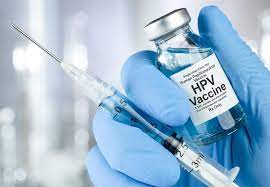
NEW YORK — A single dose of the human papillomavirus (HPV) vaccine provides protection against cancer-causing strains nearly equal to the traditional two- or three-dose regimens, according to a growing body of long-term international research.
The findings—supported by groundbreaking extended follow-up studies published in JNCI Monographs in late 2024—demonstrate that one shot can trigger a powerful, durable immune response lasting up to 15 years. Public health officials say this paradigm shift could dramatically simplify global immunization logistics, lower healthcare costs, and accelerate the elimination of cervical cancer worldwide.
Game-Changing Results From Decades-Long Tracking
The most robust evidence to date comes from a major prospective cohort study conducted in India. Over a 12-year follow-up period, researchers compared the effectiveness of one, two, and three doses of the quadrivalent HPV vaccine among young females.
The results revealed a remarkably similar protective capacity across all groups:
-
Single-dose efficacy: 92.0% against persistent HPV 16 and 18 infections (the two high-risk strains responsible for roughly 70% of all cervical cancer cases).
-
Two-dose efficacy: 94.8% protection against the same strains.
-
Three-dose efficacy: 95.3% protection.
Crucially, zero cases of high-grade precancer linked to HPV 16 or 18 occurred among vaccinated participants regardless of the number of doses received. In contrast, eight cases of high-grade precancers were identified in the unvaccinated comparison group during the same observation period.
Complementary findings from the KEN SHE trial in Kenya and long-term surveillance in Costa Rica reinforce these observations. In the Kenyan trial, a single dose yielded over 97% efficacy against HPV 16/18 after three years. Meanwhile, extended monitoring in Costa Rica confirmed that protective antibody levels remained stable for well over a decade after just one injection.
Overcoming Global Delivery Barriers
Human papillomavirus is a extremely common virus transmitted through close skin-to-skin contact, often during sexual activity. While most HPV infections clear on their own, persistent high-risk infections can transform healthy cervical cells into precancerous lesions and, eventually, invasive cancer.
Globally, cervical cancer accounts for an estimated 660,000 new cases and 350,000 deaths annually. Resource-limited regions bear the brunt of this disease, representing approximately 90% of all global cervical cancer deaths.
| Vaccine Delivery Metric | Multi-Dose Regimens | Single-Dose Regimen |
| Follow-up Logistics | High drop-off rate between doses | Zero loss to follow-up after initial shot |
| Supply Constraints | Doses tied up for booster shots | Reallocates supply to unvaccinated youth |
| Program Cost | Substantial administration & outreach costs | Up to 50% lower delivery expense |
| Global Reach | Restricted by clinic capacity | Highly adaptable for school & rural outreach |
“A single-dose schedule could make HPV vaccination significantly easier and less expensive to deliver, especially in settings where adolescents are difficult to reach for a second appointment,” noted Aimée R. Kreimer, PhD, a senior investigator at the U.S. National Cancer Institute (NCI) and co-author of the 2024 JNCI synthesis. “Countries can reallocate saved administrative resources toward crucial screening and treatment infrastructure.”
Recognizing these operational advantages, the World Health Organization (WHO) updated its guidelines to endorse an alternative single-dose schedule for girls and boys aged 9 to 20. As of mid-2024, more than 50 countries have formally transitioned to a single-dose policy.
What This Means for Patients and Families
While these findings represent a triumph for public health logistics, medical experts caution individuals against altering their personal healthcare schedules without professional guidance.
Current clinical recommendations depend heavily on an individual’s age, health history, immune status, and regional public health mandates.
-
Vaccinate Early: The HPV vaccine works preemptively. It generates the strongest immune response when administered in early adolescence (ages 9–14) prior to any potential viral exposure.
-
Immune Status Matters: Immunocompromised individuals, including those living with HIV, still require two or three doses to guarantee adequate immune protection.
-
Consult Your Clinician: Patients and parents should follow the official schedule recommended by their local public health authority or family physician.
Important Nuances and Study Limitations
Despite the optimism, leading researchers emphasize that important questions remain unanswered:
-
Non-Randomized Design: Some early single-dose observations stemmed from non-randomized trial subgroups (e.g., participants who missed scheduled second or third doses), which can introduce subtle analytical biases.
-
Lifelong Durability: While 12 to 15 years of solid protection is established, ongoing monitoring is necessary to confirm whether immunity lasts throughout an individual’s entire life without requiring a late booster.
-
Infection vs. Malignancy: Studies primarily measure prevention against persistent HPV infection and precancerous lesions. Because invasive cervical cancer takes decades to develop, full population-level data on reduced cancer mortality will take longer to mature completely.
-
Special Populations: Further research is ongoing to establish whether single-dose protection offers identical longevity in boys, young men, and diverse socio-demographic cohorts.
“The long-term data provide strong evidence to support a one-dose schedule, but continued surveillance remains vital as these cohorts age,” explained Lauri Markowitz, MD, former associate director of science for HPV at the U.S. Centers for Disease Control and Prevention (CDC).
The Road Ahead
The shift toward a single-dose schedule represents a pivotal moment in preventive medicine. By lowering financial and logistical hurdles, healthcare systems—particularly in lower- and middle-income countries like India—can rapidly expand routine school-based and community immunization drives.
If ongoing trials continue to confirm these durable outcomes, single-dose HPV vaccination could accelerate international efforts to render cervical cancer a disease of the past.
References
- https://www.cnbctv18.com/lifestyle/healthcare/single-dose-of-hpv-vaccine-may-offer-same-protection-as-two-doses-to-prevent-cervical-cancer-study-19960186.htm
Medical Disclaimer: This article is for informational purposes only and should not be considered medical advice. Always consult with qualified healthcare professionals before making any health-related decisions or changes to your treatment plan. The information presented here is based on current research and expert opinions, which may evolve as new evidence emerges.