 0
0
 0
0
SOUTH AUSTRALIA — Australian agricultural and environmental health authorities have officially confirmed the country’s first wildlife mass mortality event linked to highly pathogenic H5 bird flu. Laboratory testing conducted by federal authorities confirmed the virus in a flock of native greater crested terns located on Baudin Rocks off the coast of South Australia, near Cape Jaffa.
The announcement, delivered on August 3, 2026, marks a troubling new milestone in the virus’s spread across the Southern Hemisphere. While public health agencies emphasize that the immediate threat to humans remains low and commercial poultry supplies remain uninfected, government leaders are warning that further losses among wild bird populations are now inevitable.
Aerial Surveillance Detects Die-Off Off South Australian Coast
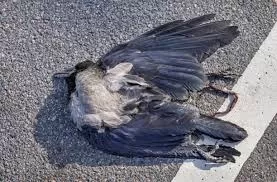
The die-off was initially uncovered during routine aerial monitoring on Friday, July 31, 2026. Helicopter surveillance teams identified 49 dead and 35 severely ill greater crested terns clustered on rocky outcrops off Baudin Rocks, roughly 5 kilometers south of Cape Jaffa.
Samples were subsequently gathered and dispatched to the Commonwealth Scientific and Industrial Research Organisation (CSIRO) Australian Centre for Disease Preparedness, where molecular diagnostics confirmed the presence of the H5 avian influenza strain.
┌────────────────────────────────────────────────────────────────────────┐
│                   H5 BIRD FLU DETECTIONS IN AUSTRALIA                  │
├────────────────────────────────────────────────────────────────────────┤
│ Total Confirmed Detections Across Wildlife: 74 Cases                   │
│                                                                        │
│ Regional Breakdown:                                                    │
│  • South Australia: 54 cases                                           │
│  • Western Australia: 10 cases                                         │
│  • Victoria: 7 cases                                                   │
│  • New South Wales: 2 cases                                            │
│  • Queensland: 1 case                                                  │
└────────────────────────────────────────────────────────────────────────┘
The national tally of confirmed H5 detections has reached 74 individual cases spanning five states. Australian Federal Agriculture Minister Julie Collins confirmed that while wildlife detections are accelerating, strict agricultural biosecurity protocols have successfully kept the pathogen out of commercial poultry systems.
“I want to reiterate at this time that there is no evidence of any detection in our poultry or agriculture systems, and the risk to human health remains low,” Minister Collins stated during a news briefing. “The reality is you cannot stop native and wild birds from flying around, and that will mean more mass mortality events like the one we have now seen.”
From Island Isolation to Mainland Threat: A Rapid Timeline
For years, Australia held the distinction of being the only continent entirely free of the global highly pathogenic avian influenza (HPAI) H5 panzootic. That isolation ended in mid-June 2026, when a wild migratory seabird tested positive in Western Australia.
Federal Environment Minister Murray Watt cautioned that Australia has entered a “long and difficult journey” as the virus takes root in native wildlife ecosystems. In response, the Australian government activated its national H5 management plan, unlocking an additional $24 million AUD ($16.9 million USD) in emergency operational funding on top of a previously allocated $113 million AUD response package.
Expert Perspectives and Ecological Concerns
Wildlife disease experts and veterinarians noted that the transition from isolated cases to mass die-offs mirrors patterns seen in Europe, the Americas, and Antarctica over recent years.
South Australia’s Chief Veterinary Officer, Dr. Skye Fruean, remarked that while the die-off is tragic for native biodiversity, it was an expected biological progression once the virus established itself in coastal avian species. Because colonial nesting seabirds like greater crested terns roost in tight physical proximity, virus transmission occurs rapidly via respiratory droplets and fecal contamination.
Epidemiologists not affiliated with the government response emphasize that wildlife die-offs serve as critical biological early-warning indicators. While wildlife losses do not directly translate to human illness, high viral loads in natural environments elevate the statistical probability of spillover into wild mammals, scavengers, and farm animals that share habitats with wild birds.
Public Health Implications and Biosecurity Recommendations
Public health authorities maintain that the general risk to the public remains minimal. H5 avian influenza viruses do not easily infect human upper respiratory tracts without prolonged, direct exposure to infected birds or heavily contaminated environments. Furthermore, commercial eggs and poultry products remain safe for consumption when cooked normally, as the virus has not entered commercial farm networks.
For the general public, state agricultural departments recommend adhering to standard wildlife safety precautions:
-
Avoid Direct Contact: Never touch, pick up, or attempt to rescue sick or dead wild birds or marine mammals.
-
Keep Pets On Leashes: Prevent dogs and domestic animals from approaching wildlife along beaches, estuarine environments, or lakeshores.
-
Report Sightings: Immediately report clusters of sick or dead wild birds to local wildlife authorities or national biosecurity hotlines rather than attempting to transport the animals yourself.
-
Maintain Farm Biosecurity: Smallholders and backyard poultry owners should keep domestic birds in enclosed coops, clear standing water that attracts wild waterfowl, and prevent wild bird access to poultry feed.
Outbreak Limitations and Evolving Science
Epidemiological investigations into the Cape Jaffa die-off are ongoing. Officials caution that surveillance data represents an evolving picture; as aerial surveys expand into remote coastal territories, additional die-offs are expected.
Scientists are continuously monitoring the genetic sequence of the isolated H5 strains to track potential mutations that could alter mammalian transmissibility or virulence. Public health agencies stress that reporting must maintain a strict distinction between wild animal ecology and public health risk—recognizing an ecological crisis without inciting unnecessary human health panic.
References
- https://www.reuters.com/business/healthcare-pharmaceuticals/australia-confirms-first-mass-mortality-event-h5-bird-flu-2026-08-03/
Medical Disclaimer: This article is for informational purposes only and should not be considered medical advice. Always consult with qualified healthcare professionals before making any health-related decisions or changes to your treatment plan. The information presented here is based on current research and expert opinions, which may evolve as new evidence emerges.