 0
0
 0
0
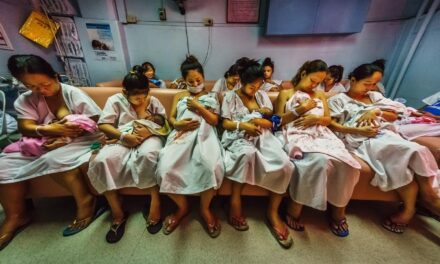
BUNIA, Democratic Republic of Congo — As health authorities scramble to contain the Ebola virus outbreak that erupted in the eastern Democratic Republic of Congo (DRC) in May 2026, a deadly parallel emergency is unfolding in the region’s maternity wards. Driven by deep-seated fears of hospital infection, strict isolation protocols, and mounting community stigma, thousands of pregnant women are avoiding medical facilities altogether. The result is a sharp rise in preventable maternal deaths across the eastern provinces, creating what humanitarian organizations are calling a severe “shadow crisis.”
Data released by the United Nations Population Fund (UNFPA) paints a stark picture of the secondary toll exacted by the virus. In Ituri province—one of the epicenters of the current outbreak—maternal mortality has nearly doubled. Prior to the May outbreak, the province recorded an average of 3.1 maternal deaths per week. In the weeks following, that number climbed to between 5.8 and 6.2 deaths per week. During the week of May 25, 2026, alone, seven maternal deaths were documented, compared to just two during the exact same week in 2025.
Concurrently, the proportion of maternal deaths occurring outside health facilities in Ituri has surged from 9.1% to 17.4%, confirming that women are increasingly giving birth at home without skilled medical support.
The Mechanics of Fear: Avoidance and Late Presentation
In Bunia and surrounding health zones, frontline clinicians report that maternity units have seen a drastic drop in prenatal visits. Women are delaying essential screenings, opting for unassisted home deliveries, or arriving at hospital emergency rooms only when life-threatening complications have already reached an advanced stage.
The hesitation stems not only from the fear of contracting Ebola within a clinical setting, but also from the anxiety surrounding infection control procedures. Because early Ebola symptoms—such as fever, fatigue, and muscle aches—mirror common pregnancy issues or malaria, many women fear being placed in mandatory isolation or under surveillance upon arrival at a clinic.
“Women may die not from Ebola itself, but because the care that would have saved them was no longer accessible, trusted, or safe,” warned Noemi Dalmonte, UNFPA’s deputy country representative in the DRC.
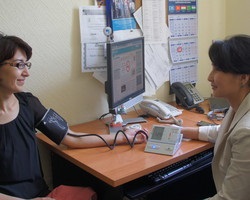
Dr. Sonny Mwembo, medical director at Bénédicte Clinic in Bunia, emphasized that missing prenatal care severely compromises a clinician’s ability to identify high-risk conditions early. Without regular monitoring, manageable pregnancy complications rapidly escalate into fatal crises.
Furthermore, public health officials report a widespread turn toward self-medication. Marie Belizaire, an incident manager with the World Health Organization (WHO), noted that community-level avoidance of formal clinics is driving up deaths from conditions that standard medical interventions could easily resolve.
Why Timely Obstetric Care Is Unforgiving
Obstetric emergencies operate on extremely tight timelines. Conditions such as severe postpartum hemorrhage, obstructed labor, preeclampsia (high blood pressure during pregnancy), and systemic infection can turn fatal within hours if left untreated. Skilled birth attendants, access to blood transfusions, and emergency Caesarean sections are critical safety nets that home environments simply cannot provide.
The presence of Ebola complicates this dynamic exponentially. According to clinical guidance from the U.S. Centers for Disease Control and Prevention (CDC), pregnant individuals who contract Ebola face significantly elevated risks of severe adverse outcomes, including spontaneous abortion, fetal loss, and massive pregnancy-associated hemorrhage.
Additionally, WHO infection-prevention protocols highlight that amniotic fluid, placenta, and other birth-related tissues carry high viral loads in confirmed Ebola cases, requiring specialized containment to prevent further transmission. Consequently, maintaining safe, functioning hospital infrastructure during an outbreak is vital to protecting both mother and child.
Maternal Mortality Rate (Ituri Province)
┌───────────────────────────┬───────────────────────────┐
│ Pre-Outbreak Baseline     │ 3.1 deaths / week         │
├───────────────────────────┼───────────────────────────┤
│ Post-Outbreak Average     │ 5.8 – 6.2 deaths / week   │
└───────────────────────────┴───────────────────────────┘

Out-of-Facility Maternal Deaths
┌───────────────────────────┬───────────────────────────┐
│ Pre-Outbreak              │ 9.1%                      │
├───────────────────────────┼───────────────────────────┤
│ Post-Outbreak             │ 17.4%                     │
└───────────────────────────┴───────────────────────────┘
Disentangling Risk: Susceptibility vs. Complications
Medical research offers an important distinction regarding Ebola and pregnancy. CDC guidance indicates there is currently no epidemiological evidence suggesting that pregnant women are inherently more susceptible to contracting the Ebola virus than the general population.
However, once infected, the physiological strain of pregnancy combined with the virus leads to significantly higher mortality and complication rates. The primary public health hazard currently sweeping eastern Congo is therefore twofold: the biological risk to those who catch the virus, and the systemic risk to the estimated 63,700 women due to give birth in the region during the outbreak period who are avoiding life-saving routine care.
Systemic Challenges and Data Limitations
Epidemiologists note that tracking health metrics in eastern DRC involves inherent uncertainties. The maternal mortality figures compiled by UN agencies rely on outbreak-area surveillance systems operating in a region long impacted by armed conflict, displacement, and infrastructure deficits. As a result, current numbers may undercount the true extent of community deaths.
Additionally, non-Ebola factors—such as localized insecurity, checkpoint delays, fuel shortages, and baseline poverty—continue to impede physical access to healthcare, compounding the disruption caused by fear of the virus.
The Public Health Mobilization
To restore public trust and halt the rise in home-birth fatalities, international health agencies and the DRC Ministry of Health are implementing a dual-track response.
UNFPA has deployed over 150 qualified midwives to affected health zones in Ituri and neighboring provinces to support overwhelmed facilities and ensure continuity of care. Concurrently, public health teams are retrofitting maternity wards with enhanced Infection Prevention and Control (IPC) measures to guarantee that routine delivery areas remain strictly segregated from Ebola triage centers.
Community engagement initiatives are also underway. Local health workers are conducting door-to-door outreach to clarify that maternity care remains safe and operational, emphasizing that seeking timely prenatal care is the single most effective action a pregnant woman can take to safeguard her health and that of her newborn.
References
- https://www.ndtv.com/health/more-pregnant-women-are-dying-in-congo-as-they-avoid-hospitals-over-ebola-11857871
Medical Disclaimer: This article is for informational purposes only and should not be considered medical advice. Always consult with qualified healthcare professionals before making any health-related decisions or changes to your treatment plan. The information presented here is based on current research and expert opinions, which may evolve as new evidence emerges.