 0
0
 0
0
DALLAS — In a landmark shift that promises to redefine cardiovascular care for millions, the American College of Cardiology (ACC) and the American Heart Association (AHA) have released updated clinical guidelines for cholesterol management as of March 2026. These new recommendations move away from broad “one-size-fits-all” ranges, instead reintroducing specific, stringent targets for Low-Density Lipoprotein (LDL) cholesterol—the so-called “bad” cholesterol. Emphasizing a “lower is better for longer” philosophy, the guidelines advocate for aggressive intervention as early as age 30, aiming to curb the cumulative damage of lipid exposure before it leads to irreversible heart disease.
The New Math of Heart Health: Tiered LDL Targets
For years, the medical community debated whether specific numerical targets or a percentage-based reduction was more effective for patient health. The 2026 update settles the debate with a tiered approach, assigning concrete LDL-C goals based on an individual’s personal risk profile.
The new framework categorizes targets into three primary tiers:
-
Borderline/Intermediate Risk: For individuals with moderate risk factors (such as age combined with smoking or mild hypertension), the target is now below 100 mg/dL.
-
High Risk: For those with multiple risk factors or conditions like diabetes, the goal is sharpened to below 70 mg/dL.
-
Very High Risk: For patients who have already survived a heart attack, stroke, or have severe genetic high cholesterol, the guidelines recommend an aggressive target of less than 55 mg/dL.
“We are moving toward a more personalized era of preventative cardiology,” says Dr. Elena Rossi, a preventive cardiologist at the Langone Heart Institute who was not involved in drafting the guidelines. “These targets give both the physician and the patient a ‘north star.’ It’s no longer about just being in a ‘normal’ range; it’s about being in the right range for your specific biology.”
Why the Clock Starts at 30
The most significant shift in the 2026 update is the focus on “cumulative lipid burden.” Much like how dermatologists discuss the lifetime accumulation of sun exposure leading to skin cancer, cardiologists are now looking at the total “area under the curve” for cholesterol exposure over decades.
Research indicates that even modestly elevated LDL levels in one’s 30s can act as a slow-drip of damage to arterial walls. By the time a patient reaches 50, the resulting plaque buildup (atherosclerosis) may already be significant. By intervening early, the ACC/AHA aim to prevent the initial formation of these plaques rather than attempting to stabilize them later in life.
“Cardiovascular disease isn’t an event that happens on a Tuesday when you’re 65,” explains Dr. Marcus Thorne, an independent researcher in lipidology. “It is a 30-year construction project. These guidelines essentially tell us to stop providing the ‘bricks’ for that plaque buildup as early as possible.”
Moving the Needle: Lifestyle and Medication
Achieving these lower targets—especially the sub-55 mg/dL goal—often requires a multi-pronged approach. While heart-healthy diets (such as the Mediterranean or DASH diets) and regular physical activity remain the foundation of any treatment plan, the guidelines acknowledge that for many high-risk individuals, lifestyle alone may not be enough to reach the new targets.
The guidelines outline a “pharmacological ladder”:
-
Statins: Remain the first line of defense for their proven ability to lower LDL and reduce inflammation.
-
Ezetimibe: Often added to statins to block cholesterol absorption in the gut.
-
PCSK9 Inhibitors: Injectable medications that significantly lower LDL for those who cannot reach targets with oral medications.
A Balanced View: Costs and Considerations
Despite the clinical enthusiasm, the reintroduction of strict targets is not without its critics. Some healthcare advocates express concern regarding the “medicalization” of younger adults and the potential for increased healthcare costs.
“Reaching a target of 55 mg/dL often requires high-intensity therapy,” notes health policy analyst Sarah Cheng. “We must balance the undeniable clinical benefits with the potential for side effects, the burden of daily medication, and the financial cost of newer-generation drugs like PCSK9 inhibitors.”
Furthermore, the guidelines emphasize that numbers are not everything. A patient’s “Risk Enhancers”—including family history, ethnicity, and chronic kidney disease—should always be weighed alongside the LDL number to avoid over-treating low-risk individuals.
What This Means for You
For the average consumer, the message is clear: Know your numbers early. The 2026 guidelines suggest that waiting until middle age to check your cholesterol may be waiting too long.
If you are over the age of 30, medical experts recommend:
-
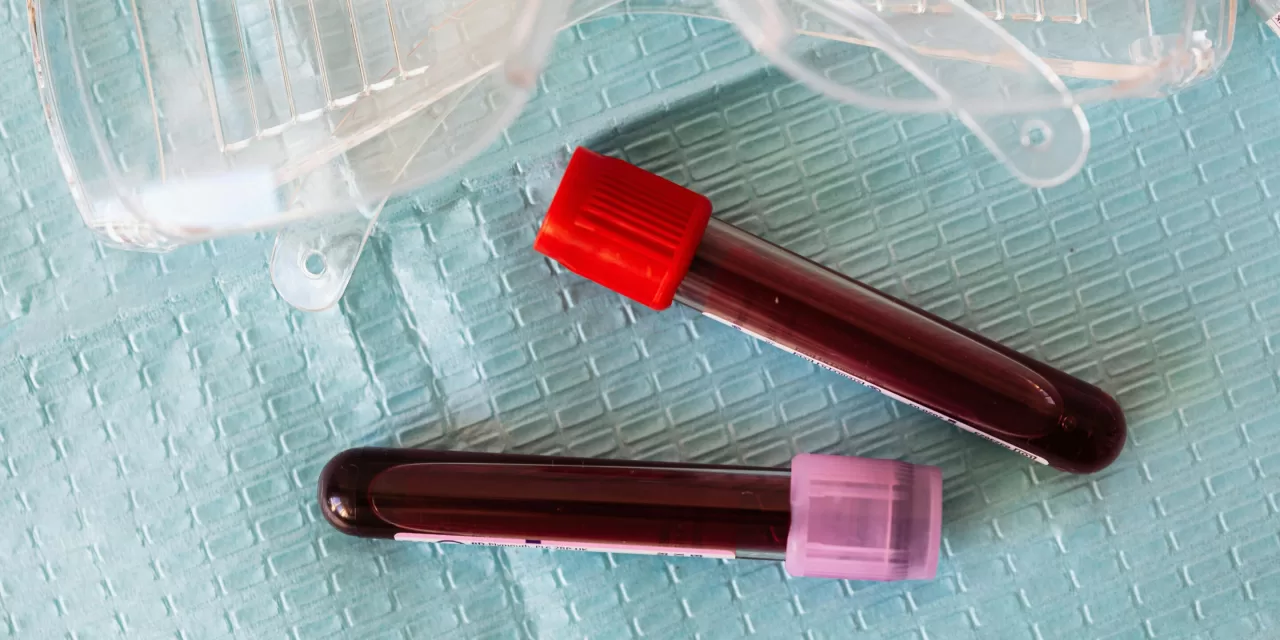
Requesting a full lipid panel: Don’t just look at “Total Cholesterol”; focus on your LDL-C and non-HDL numbers.
-
Discussing your ‘Tier’: Ask your doctor which of the new risk categories you fall into.
-
Thinking Long-term: View cholesterol management as a lifelong habit, similar to dental hygiene or skin care, rather than a temporary fix for a high test result.
By shifting the focus from “treating disease” to “preserving arterial health,” the medical community hopes to significantly bend the curve of heart disease mortality over the next decade.
Medical Disclaimer: This article is for informational purposes only and should not be considered medical advice. Always consult with qualified healthcare professionals before making any health-related decisions or changes to your treatment plan. The information presented here is based on current research and expert opinions, which may evolve as new evidence emerges.
References
- https://www.earth.com/news/doctors-updated-ldl-cholesterol-level-target-number-for-optimal-heart-health/