 0
0
 0
0
THIRUVANANTHAPURAM, India — In a discovery that upends decades of conventional wisdom on antimicrobial resistance, scientists in India have uncovered a hidden mechanism allowing malaria parasites to survive the world’s most crucial anti-malarial drug.
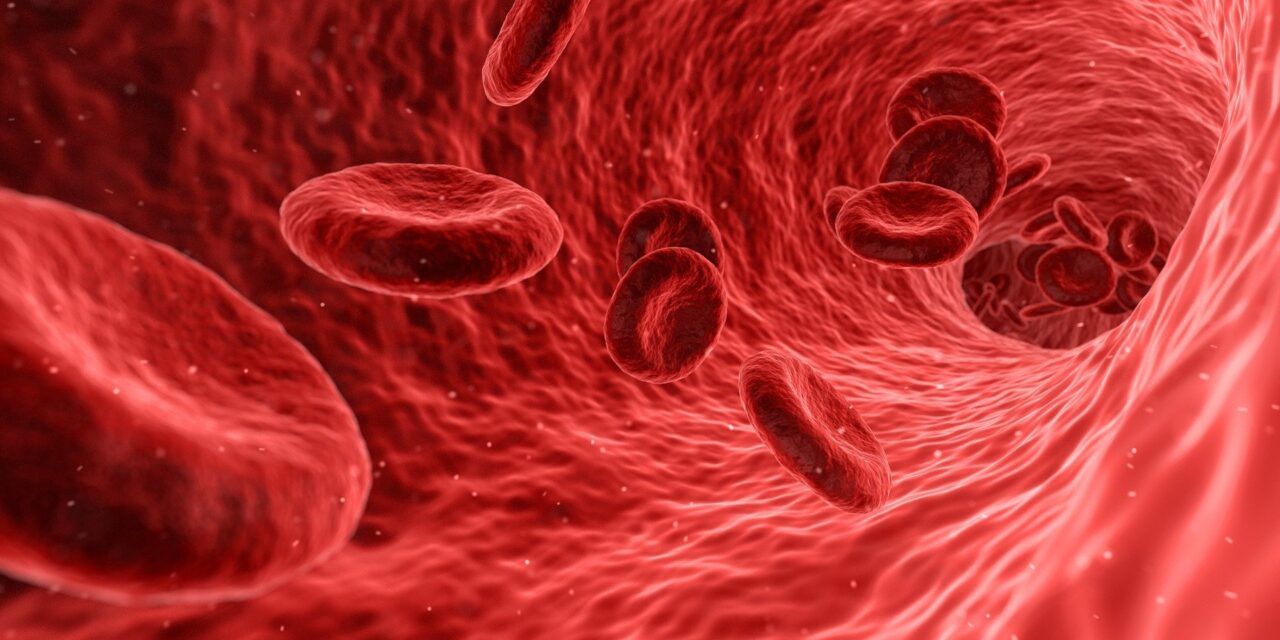
Researchers at the Rajiv Gandhi Centre for Biotechnology (BRIC-RGCB) have demonstrated that young, immature red blood cells—known as reticulocytes—act as a cellular sanctuary, providing a protective biochemical environment that shields the Plasmodium falciparum parasite from artemisinin, the backbone of modern malaria therapy.
The peer-reviewed study, published as an Editor’s Choice article in The Journal of Infectious Diseases, reveals that treatment failure isn’t always driven by genetic mutations within the parasite itself. Instead, the physiological state of the human host cell plays a definitive role in drug tolerance.
A Host-Cell Sanctuary Against Treatment
The research team, led by Christeen Davis, PhD, and colleagues at BRIC-RGCB, observed a stark contrast in how malaria parasites respond to medication depending on their cellular home. Parasites developing inside young reticulocytes displayed a significantly reduced susceptibility to both artemisinin and its active metabolite, dihydroartemisinin, compared to those nesting in mature red blood cells.
Crucially, this drug tolerance is temporary and conditional. When the researchers transferred the surviving parasites out of the youth-phase cells and back into mature red blood cells, their vulnerability to the medication returned entirely. This proved that the resistance was not caused by a permanent genetic mutation, but was instead an adaptive strategy triggered by the host cell’s internal environment.
Using highly purified human reticulocytes and advanced biochemical profiling, the RGCB team mapped exactly how this shield works. Immature red blood cells are naturally packed with higher concentrations of nutrients, antioxidants, and cellular repair enzymes than their older counterparts. When malaria parasites invade these youthful cells, they effectively hijack these natural antioxidant defenses.
“The biology of the host cell can significantly influence how malaria parasites respond to treatment,” explains Dr. Rajesh Chandramohanadas, PhD, senior author of the study and Principal Investigator at BRIC-RGCB. “The parasite is not acting alone; it exploits the natural antioxidant defenses present in young blood cells to protect itself from drug-induced stress.”
Because artemisinin works primarily by unleashing a wave of destructive oxidative stress to destroy the parasite, the rich reservoir of antioxidants inside the young cells neutralizes the drug’s therapeutic punch.
Challenging the Genetic Status Quo
For years, global health strategies have treated drug resistance as an purely evolutionary arms race coded in DNA. Public health tracking has relied almost exclusively on monitoring genetic mutations within the parasite, specifically looking for abnormalities in the PfKelch13 gene. While science has identified more than 260 distinct PfK13 mutations linked to partial artemisinin resistance, this new study exposes a parallel, non-genetic pathway to treatment failure.
Writing in their publication, the study authors concluded that “the maturation state of host erythroid cells shapes intracellular pathogen responses to oxidative stress and drug exposure,” emphasizing that host-parasite interactions are just as critical to therapeutic success as genetic markers.
The Rising Stakes of Global Malaria Control
This discovery comes at an increasingly perilous juncture for global health. According to the World Health Organization’s (WHO) World Malaria Report 2025, global malaria progress has plateaued and begun to reverse. An estimated 282 million malaria cases and 610,000 deaths occurred globally in 2024—marking a surge of roughly 9 million cases from the prior year. The WHO African Region bears a staggering 94% of the global case burden, with children under five accounting for roughly 75% of all malaria deaths.
Compounding this crisis is the reality that partial resistance to artemisinin derivatives is no longer just a threat in Southeast Asia; it has now been confirmed or strongly suspected in at least eight African nations. Because artemisinin-based combination therapies (ACTs) are the definitive first-line defense—and frequently the final line of defense—against severe Plasmodium falciparum malaria, decoding every route the parasite takes to survive is an urgent priority.
Global Malaria Impact at a Glance (2024 Data)
┌───────────────────────────────┬───────────────────────────────┐
│ Metric                        │ Value                         │
├───────────────────────────────┼───────────────────────────────┤
│ Total Global Cases            │ 282 Million                   │
│ Annual Global Deaths          │ 610,000                       │
│ Year-Over-Year Case Increase  │ ~9 Million                    │
│ African Share of Global Cases │ 94%                           │
│ Vulnerable Demographics       │ 75% of deaths are under age 5 │
└───────────────────────────────┴───────────────────────────────┘
Vulnerable Patient Populations at Highest Risk
The clinical implications of this study are far-reaching. It offers a compelling explanation for why certain patients experience delayed parasite clearance or persistent, recurring infections despite being treated with high-quality, authentic medication—even when laboratory tests reveal zero genetic resistance markers.
This biochemical shield poses a disproportionate threat to specific patient demographics who naturally possess elevated levels of young red blood cells:
-
Young Children: Pediatrics inherently feature highly active bone marrow and rapid blood production, leading to naturally higher baselines of circulating reticulocytes.
-
Anemic Patients: Malaria causes the massive, rapid destruction of mature red blood cells. In response to severe anemia, the human body goes into overdrive, pumping a surge of new reticulocytes into the bloodstream to replenish the supply.
-
Recovering Patients: Anyone bouncing back from recent blood loss, trauma, or concurrent marrow-stimulating infections will display elevated reticulocyte counts.
Data from the National Institute of Core Pulmonary Diseases (NICPD) confirms that absolute reticulocyte counts are demonstrably higher in anemic children suffering from malaria than in their non-anemic peers, meaning those who are already the sickest may inadvertently provide the parasite with the strongest shield against treatment.
Engineering Next-Generation Therapies
Recognizing this Achilles’ heel opens the door to smarter, multi-pronged treatment formulations. BRIC-RGCB Director Dr. Beena Pillai noted that the discovery underscores the necessity of designing therapies that look beyond the parasite itself, targeting instead the cellular microenvironment that enables its survival.
Encouragingly, the study found that while parasites tucked inside young blood cells survived artemisinin exposure, they remained entirely vulnerable to anti-malarial drugs that utilize non-oxidative mechanisms of action. This suggests that the next generation of ACTs could be optimized by combining artemisinin with partner drugs specifically chosen to neutralize the host cell’s protective shield, ensuring total clearance in high-reticulocyte patients.
Limitations and Expert Perspective
Independent malaria specialists urge balanced optimism. While groundbreaking, the study possesses clear limitations: it was conducted under highly controlled laboratory conditions using purified human blood components. Clinical trials in real-world field settings are required to definitively map how heavily this host-cell shield impacts patient recovery rates across diverse populations.
The multidisciplinary effort combined the expertise of BRIC-RGCB, the Indian Institute of Science Education and Research (IISER) Thiruvananthapuram, Cosmopolitan Hospital Thiruvananthapuram, and the CSIR-National Chemical Laboratory (NCL) in Pune.
Dr. Chandramohanadas cautioned that this host-mediated tolerance does not replace or diminish the known threat of genetic resistance. “Both mechanisms may coexist in different patient populations,” he noted. “Understanding their interplay will be crucial for optimizing global treatment strategies moving forward.”
For frontline medical providers, the takeaway is clear: patient biology and blood profiles matter when evaluating how quickly a patient clears an infection. For the general public, it reinforces an essential health lesson: completing the full, prescribed course of antimalarial medication is vital—even if fever and symptoms vanish rapidly—to ensure parasites hiding in young cells are completely eradicated.
Medical Disclaimer
Medical Disclaimer: This article is for informational purposes only and should not be considered medical advice. Always consult with qualified healthcare professionals before making any health-related decisions or changes to your treatment plan. The information presented here is based on current research and expert opinions, which may evolve as new evidence emerges.
References
-
NDTV Health Bureau. “Malaria Parasites Evade Drugs Using Young Blood Cells: Study.” Published June 17, 2026.