 0
0
 0
0
Published: August 3, 2026
A growing body of scientific literature suggests that the body’s endocannabinoid system—a complex network of cell receptors and chemical signals best known for its response to cannabis compounds—could offer novel therapeutic targets for chronic kidney disease (CKD). A landmark review published in Frontiers in Pharmacology by researchers at the Autonomous University of Aguascalientes highlights how specific cannabinoid receptors in the kidney regulate inflammation, cellular damage, and tissue repair. However, leading nephrologists caution that while preclinical animal models show clear potential, the research is not yet ready for clinical practice, and self-medication with commercial cannabis products poses genuine risks to kidney health.
Understanding the Global Burden of Chronic Kidney Disease
Chronic kidney disease represents one of the most pressing global public health challenges of the 21st century. Affecting approximately 850 million people worldwide—roughly 9.1% of the global population—CKD is characteristically silent in its early stages. Millions of individuals live with gradual renal decline without experiencing noticeable symptoms until function is severely compromised.
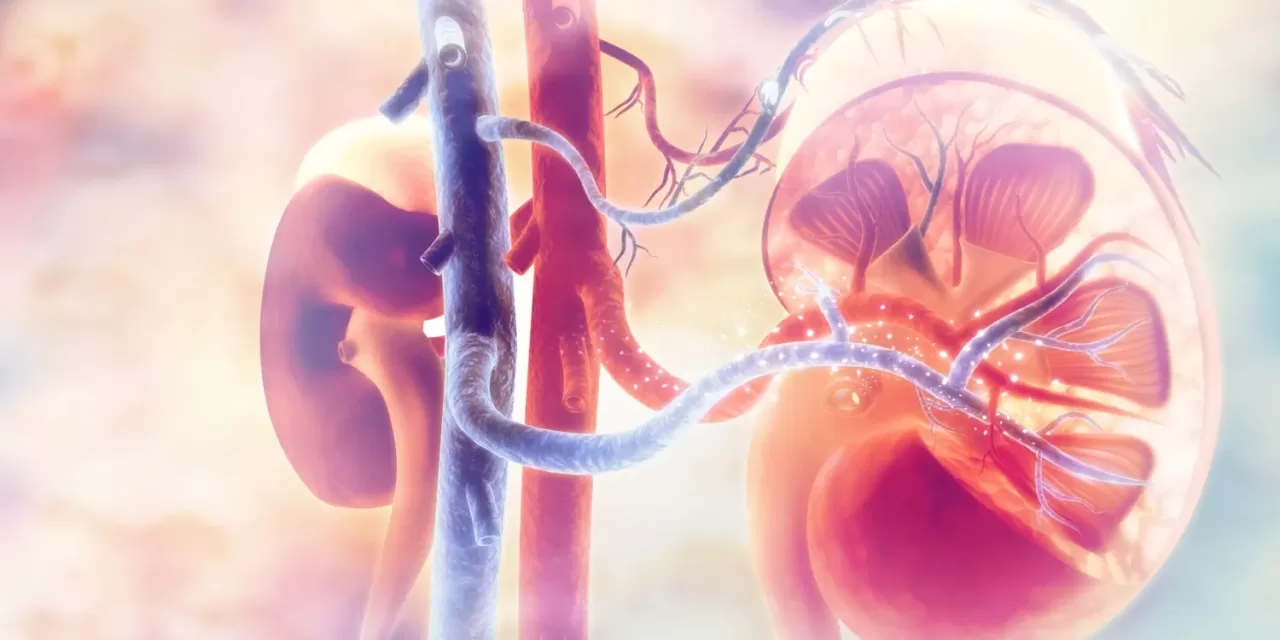
The main drivers of kidney damage worldwide remain metabolic and cardiovascular conditions, primarily type 2 diabetes, chronic hypertension, and obesity. In the kidney, these underlying diseases damage the microscopic filtering units known as glomeruli, as well as the surrounding fluid-balancing structures called tubules.
When CKD progresses to end-stage renal disease (ESRD), the kidneys can no longer filter waste products from the bloodstream effectively. At this point, patient survival depends on invasive, costly interventions:
-
Maintenance Dialysis: Artificial filtering performed multiple times per week, carrying significant lifestyle and cardiovascular burdens.
-
Kidney Transplantation: A definitive therapy hampered by global organ shortages and lifelong immunosuppressive medication requirements.
While current medical standards—such as angiotensin-converting enzyme (ACE) inhibitors, sodium-glucose cotransporter-2 (SGLT2) inhibitors, and lifestyle modifications—can slow disease progression, they rarely halt or reverse established structural damage. This therapeutic bottleneck has energized the search for novel molecular pathways capable of protecting or repairing renal tissue.
The Biological Mechanism: Receptors in the Renal Architecture
The human body naturally produces signaling molecules called endocannabinoids, which bind to specialized surface proteins on cells. Among these, two primary receptor types have been mapped within human kidney tissue:
                  ┌──────────────────────────────────────────────┐
                  │          ENDOCANNABINOID SYSTEM              │
                  └──────────────────────┬───────────────────────┘
                                         │
                    ┌────────────────────┴────────────────────┐
                    ▼                                         ▼
         ┌─────────────────────┐                   ┌─────────────────────┐
         │    CB1 RECEPTORS    │                   │    CB2 RECEPTORS    │
         └──────────┬──────────┘                   └──────────┬──────────┘
                    │                                         │
                    ▼                                         ▼
         • Concentrated in glomeruli               • Found in immune cells &
         • Drives pro-inflammatory signals           injured tubular tissue
         • Accelerates renal fibrosis              • Mediates anti-inflammatory
         • Potential Target: Selective BLOCKADE      repair responses
                                                   • Potential Target: Selective ACTIVATION
The review, led by Dr. Ricardo Romero-Guevara and colleagues, outlines how the balance between these two pathways alters renal outcomes:
-
CB1 Receptors: Heavily expressed in glomeruli and vascular structures. Overactivation of CB1 is strongly associated with disease progression, metabolic dysfunction, increased protein leakage into the urine (proteinuria), and progressive scarring (fibrosis). Consequently, blocking or inhibiting CB1 receptors appears to protect kidney architecture in experimental models.
-
CB2 Receptors: Primarily localized on immune cells within the kidney and injured tubular cells. Activating CB2 receptors typically suppresses inflammatory cascades and encourages tissue healing, making CB2 stimulation a promising anti-inflammatory strategy.
-
Novel Orphan Receptors: Beyond CB1 and CB2, researchers are evaluating non-classical cannabinoid-related receptors, including GPR55, GPR18, and GPR119, which appear to modulate local blood pressure and electrolyte excretion in renal tissue.
Preclinical Promise vs. The Human Translation Gap
In laboratory bench research and animal models of diabetic kidney disease and acute kidney injury, modifying these pathways yields measurable improvements. Pharmacologically blocking CB1 receptors or stimulating CB2 receptors consistently reduces urinary protein loss, decreases inflammatory cytokines, and limits extracellular matrix accumulation (scar tissue formation).
However, translating rodent models to human medicine presents severe physiological hurdles:
| Research Domain | Animal & Laboratory Findings | Human & Clinical Reality |
| Pathology | Induced, uniform acute or chronic kidney injury in controlled settings. | Complex, multi-system illness spanning decades alongside aging, vascular disease, and diabetes. |
| Systemic Effects | Isolated receptor responses in targeted tissue assays. | Off-target central nervous system (CNS) effects, blood pressure fluctuations, and metabolic changes. |
| Receptor Expression | Highly predictable, genetically uniform expression profiles. | Variable receptor expression dependent on disease stage, age, and co-morbidities. |
A central challenge in drug development is creating therapies that target kidney receptors without crossing the blood-brain barrier. Historical efforts to block systemic CB1 receptors for weight loss (such as the drug rimonabant) were withdrawn globally due to severe psychiatric side effects, including severe anxiety and depression. Future kidney-targeted drugs must be strictly peripheral—acting entirely outside the brain—to be clinically viable.
Expert Perspectives and Safety Cautions
Independent experts stress that while endocannabinoid signaling is fundamentally important to renal biology, public enthusiasm must not outpace rigorous clinical trial verification.
Dr. Hamid Moradi and colleagues previously noted in Cannabis and Cannabinoid Research that the endocannabinoid system plays a central, homeostatic role in kidney physiology, but emphasized that understanding its mechanism is far different from endorsing cannabinoid consumption for therapy.
Furthermore, medical authorities emphasize a crucial distinction: Research into targeted, synthetic endocannabinoid-receptor molecules does not validate the use of botanical cannabis or over-the-counter cannabinoid supplements.
Clinical Warning: Recreational cannabis use, self-administered CBD products, and unregulated over-the-counter extracts cannot target specific renal CB1 or CB2 receptors selectively. In fact, synthetic cannabinoids (“spice” or “K2”) have been directly linked in epidemiological studies to episodes of acute kidney injury and acute tubular necrosis.
What Patients and Clinicians Should Do Today
For the millions of individuals currently managing CKD or at risk due to high blood pressure or diabetes, this scientific review represents an exciting drug-discovery vector for the future—not a change to present treatment protocol.
Evidence-Based Actions for Kidney Health:
-
Maintain Strict Blood Pressure Control: Keep blood pressure within target parameters recommended by your nephrologist to reduce mechanical stress on glomeruli.
-
Optimize Blood Sugar: For individuals with diabetes, tight glycemic control remains the single most effective way to prevent diabetic nephropathy.
-
Review Medications Periodically: Avoid overuse of non-steroidal anti-inflammatory drugs (NSAIDs) such as ibuprofen and naproxen, which reduce renal blood flow.
-
Consult Before Supplementing: Discuss any intended use of cannabis derivatives or herbal supplements with a qualified healthcare provider, as many compounds undergo renal clearance or interact with standard blood pressure and immunosuppressive medications.
References
- https://medicalxpress.com/news/2026-07-cannabinoid-pathways-kidney-disease-ckd.html
Medical Disclaimer: This article is for informational purposes only and should not be considered medical advice. Always consult with qualified healthcare professionals before making any health-related decisions or changes to your treatment plan. The information presented here is based on current research and expert opinions, which may evolve as new evidence emerges.