 0
0
 0
0
Published: August 3, 2026
A fundamental component of the human diet may play a direct role in helping the immune system spot hidden threats. According to a landmark preclinical study led by researchers at Rockefeller University, the semi-essential amino acid arginine appears to be crucial for driving the production of Major Histocompatibility Complex class I (MHC-I)—a vital “display” protein that acts as the body’s internal security signal.
The study, published in the journal Cell on July 30, 2026, demonstrated that arginine deficiency impairs the immune system’s ability to recognize abnormal cells in mouse models, accelerating the growth of colon tumors and worsening respiratory viral infections such as influenza and SARS-CoV-2. Conversely, restoring arginine levels promoted MHC-I expression and improved outcomes.
While the findings unveil a previously unknown cellular mechanism linking dietary nutrition to immune surveillance, health authorities emphasize that the results are limited to laboratory and animal models. As such, they do not currently support taking high-dose dietary arginine supplements to prevent or treat cancer or viral illnesses in humans.
The Molecular Billboard: How Arginine Powers MHC-I
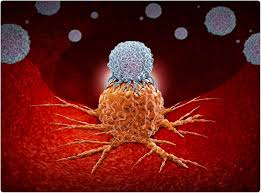
To understand why arginine matters, one must first understand how the body identifies rogue cells. Virtually every nucleated cell in the human body relies on MHC-I molecules on its surface. These proteins act like tiny billboards, displaying molecular fragments from inside the cell to circulating T cells. If a cell is healthy, the immune system ignores it; if it is infected by a virus or mutated by cancer, T cells recognize the abnormal fragment and destroy the compromised cell.
When MHC-I expression drops, cancerous cells become effectively invisible to the body’s natural defenses—a key strategy used by tumors to evade immune destruction.
The Rockefeller team, led by Dr. Qiushuang Wu and Dr. Sohail Tavazoie, set out to determine how specific nutrients influence this surveillance system. Investigating cellular responses under nutrient-scarce conditions, the researchers discovered that arginine deprivation led to a marked reduction in 414 distinct proteins, including three major human leukocyte antigen (HLA) genes responsible for encoding MHC-I components.
The underlying mechanism traces back to protein synthesis machinery: ribosomes. MHC-I genetic messages contain an unusually high frequency of arginine “codons”—the genetic code sequences that signal a cell to insert arginine into a growing protein chain. When arginine is in short supply, ribosomes physically stall during translation, halting the assembly of MHC-I proteins before they can reach the cell surface.
Preclinical Findings: Tumor Suppression and Viral Defense
To test whether these molecular changes had real-world implications, the researchers conducted a series of experiments using mouse models.
In mice predisposed to colorectal cancer, a low-arginine diet was linked to a significantly higher burden of colon tumors. Conversely, mice fed a higher-arginine diet displayed fewer and smaller tumors, alongside restored MHC-I levels on cellular surfaces.
The researchers observed a similar protective effect in viral infection models. Mice with normal or elevated arginine levels experienced milder symptoms when exposed to influenza and SARS-CoV-2. Remarkably, in one influenza experiment, administering arginine even after the initial infection had taken hold yielded improved clinical outcomes and reduced disease severity compared to controls.
The team noted that moderate doses were sufficient in laboratory settings to clear translation bottlenecks and reactivate the genetic pathways tied to MHC-I display.
Expert Perspectives: Promising Mechanisms, Unanswered Human Questions
Dr. Sohail Tavazoie, senior author of the study and professor at Rockefeller University, noted in a news release that the findings open intriguing possibilities for clinical medicine. He suggested that arginine supplementation could eventually be evaluated as an adjunctive—or supportive—strategy alongside existing immunotherapies or for high-risk populations facing viral exposure.
However, independent medical experts urge caution, highlighting the immense biological gap between rodent models and human medicine.
“Translating preclinical findings from mouse models to human clinical care is one of the highest hurdles in medical research,” says Dr. Eleanor Vance, an independent immunologist and clinical research specialist not involved in the study. “Human immune systems, metabolic rates, and dietary patterns are infinitely more complex than those of laboratory mice. What restores protein translation in a controlled animal setting may behave very differently in a human patient with a fully developed tumor microenvironment or a complex viral infection.”
Furthermore, broader immunological literature indicates that arginine is far from a simple immune booster. A comprehensive 2021 review in Cellular & Molecular Life Sciences highlighted arginine as a complex metabolic node that regulates macrophages, dendritic cells, and T cells. Depending on the cellular environment and disease state, arginine can exert both pro-inflammatory and anti-inflammatory effects.
Interestingly, a long-standing line of cancer research focuses on arginine deprivation—using specific enzymes to starve certain tumors that rely heavily on external arginine to survive. This duality underscores the delicate balance required in nutrient-based medicine.
“Arginine is a double-edged sword in oncology,” adds Dr. Vance. “In some contexts, boosting arginine may enhance immune recognition. In others, it might inadvertently feed metabolic pathways that tumors exploit. That is precisely why blanket dietary recommendations cannot be made based on early-stage laboratory data alone.”
Public Health Implications and Practical Takeaways
From a public health perspective, the Rockefeller study provides an important piece of the puzzle regarding how systemic nutrition impacts cellular health. It may help explain how severe malnutrition, specialized clinical diets, or age-related metabolic shifts could weaken immune surveillance, leaving individuals more vulnerable to disease.
Because arginine is widely available, inexpensive, and found naturally in protein-rich foods—such as poultry, fish, nuts, seeds, and dairy—the idea of using it as a low-cost health intervention is appealing. However, public health officials caution against equating commercial availability with clinical efficacy. History in nutritional medicine shows that many compounds demonstrating dramatic effects in cell cultures fail to show benefit, or even cause harm, in rigorous human trials.
For the general public, experts stress that daily health practices should remain grounded in established clinical guidelines:
-
Maintain a balanced diet: Consuming adequate, varied dietary protein provides the body with necessary amino acids—including arginine—without the risks of unmonitored high-dose supplementation.
-
Do not self-prescribe for serious illness: High doses of amino acid supplements can interact with prescription medications, alter blood pressure, or strain kidney and liver function.
-
Consult your care team: Patients undergoing active cancer treatments, immunotherapies, or managing chronic viral conditions should consult their oncologist or primary physician before introducing any new dietary supplement.
While arginine is not a simple “silver bullet” for immunity, this research marks a significant milestone in nutritional immunology. By identifying codon-dependent translation as a key regulator of immune visibility, scientists have opened a promising new avenue that could one day refine how we approach cancer therapy and viral prevention.
References
- https://www.news-medical.net/news/20260731/Arginine-boosts-immune-defenses-against-cancer-and-viral-infections.aspx
Medical Disclaimer: This article is for informational purposes only and should not be considered medical advice. Always consult with qualified healthcare professionals before making any health-related decisions or changes to your treatment plan. The information presented here is based on current research and expert opinions, which may evolve as new evidence emerges.