 0
0
 0
0
In a long-term study evaluating the neurobiological impacts of daily routines, researchers at the University of Southern California (USC) have found that adults who frequently watched television during midlife exhibited smaller brain regions dedicated to memory and decision-making nearly two decades later. Analyzing data from approximately 1,700 participants in the long-running Atherosclerosis Risk in Communities (ARIC) study, the investigation—published in the journal Alzheimer’s—revealed that heavy passive screen time in middle age was also accompanied by an increase in white matter hyperintensities, a structural marker of small vessel damage in the brain. The findings highlight a critical nuance in public health: how individuals spend their seated time may be just as vital for cognitive longevity as how much overall time they spend sitting.
Anatomy of the Findings: TV vs. Overall Sitting
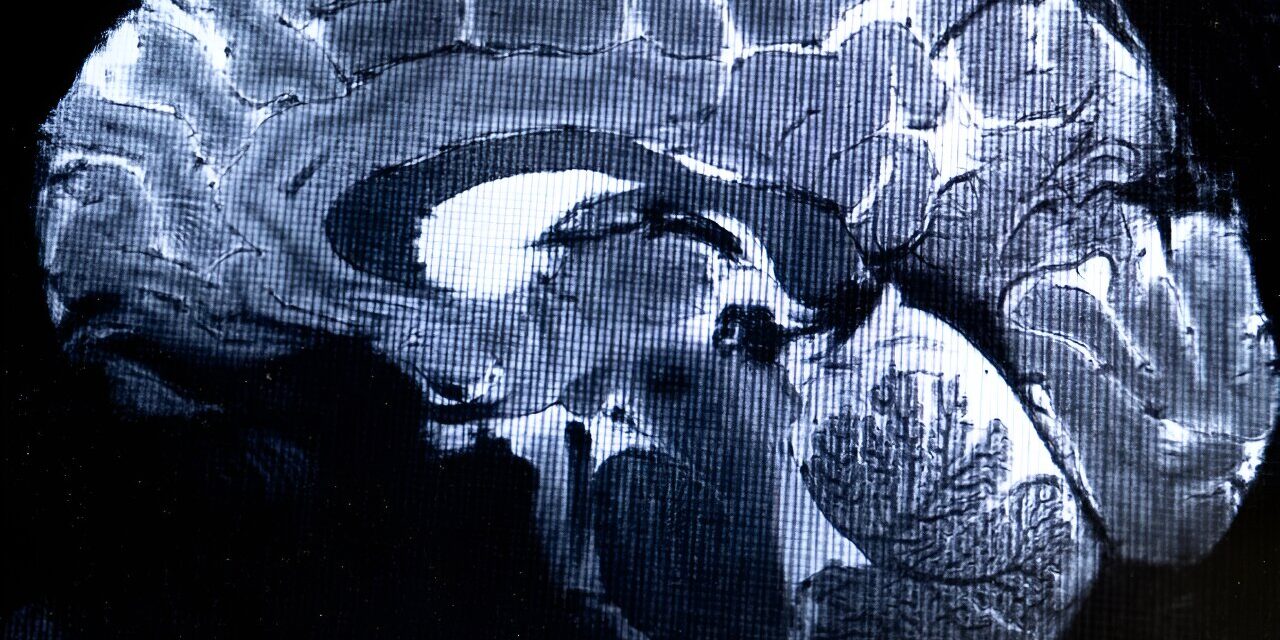
To understand the trajectory of age-related brain health, scientists tracked participants starting in the late 1980s, documenting their leisure habits in midlife and administering brain magnetic resonance imaging (MRI) scans as they reached older adulthood. Individuals who reported watching TV “very often” in midlife consistently demonstrated reduced volumes in cortical and subcortical areas—the regions responsible for memory storage, planning, and visual processing.
Furthermore, high levels of midlife television consumption were associated with elevated levels of white matter hyperintensities. These localized areas of tissue damage appear as bright spots on MRI scans and reflect microscopic wear-and-tear within the brain’s communication pathways. While white matter hyperintensities can accumulate naturally with age, excessive buildup is clinically significant, frequently linked to an elevated risk of stroke, accelerated cognitive decline, and dementia.
This research builds upon a growing body of evidence connecting midlife habits with late-life cognitive health. According to a landmark 2021 American Heart Association (AHA) report, moderate-to-high television viewing during middle age was associated with a 6.9% greater decline in cognitive function over a 15-year period compared to low television viewing.
Passive vs. Active Sitting: Why Context Matters
One of the study’s most striking revelations lies in the distinction between passive sedentary behavior and mentally engaged sitting. When researchers analyzed participants’ daily routines, the negative brain patterns were specifically tied to recreational television viewing rather than sitting in general.
In fact, participants who worked in sedentary jobs requiring mental effort—such as solving complex problems, analyzing information, or writing—often exhibited healthier brain patterns later in life. Think of the brain as needing regular exercise: while sitting at a desk engaged in active problem-solving keeps neural networks stimulated, prolonged passive television viewing leaves those same circuits largely disengaged while physical movement remains stalled.
This differentiation suggests that the cognitive quality of seated time plays a key role in neuroprotection, challenging the broad assumption that all sedentary behavior impacts the central nervous system in the same way.
Expert Perspectives and Public Health Implications
Medical experts emphasize that these findings offer a vital perspective on dementia prevention strategies, particularly given the current lack of medical cures for cognitive decline.
“The findings suggest that health experts may need to think not only about how much people sit, but also about what they do while sitting,” said David Raichlen, Ph.D., a senior author of the USC-led study and professor of biological sciences and anthropology at the USC Dornsife College of Letters, Arts and Sciences.
Echoing this sentiment, corresponding author Natan Feter, Ph.D., a postdoctoral scholar at USC, noted that public health guidelines may need to expand. He suggested that standard health advice should evolve from simply advising the public to “sit less” to actively encouraging individuals to choose cognitively stimulating seated activities when rest is required.
From a prevention standpoint, the implications are substantial. Priya Palta, Ph.D., an assistant professor of medical sciences and epidemiology at Columbia University Vagelos College of Physicians and Surgeons, underscored the urgency of lifestyle research. Because there are still no medications that can cure or stop dementia, non-pharmacological habits established decades prior represent a vital line of defense.
Kelley Pettee Gabriel, Ph.D., a professor of epidemiology at the University of Alabama at Birmingham, added that establishing healthy behaviors during midlife acts as a crucial buffer, supporting brain structural integrity and cognitive resilience as the body ages.
Methodological Limitations and Confounding Variables
Despite the robust sample size and multi-decade timeline, researchers and outside experts caution against reading these results as proof that television directly causes brain shrinkage. As an observational study, the research establishes correlation, not direct cause and effect.
Several key limitations must be considered:
-
Self-Reported Data: Television viewing habits were collected through self-reported questionnaires in midlife, which are less precise than direct digital tracking and subject to memory errors.
-
Absence of Baseline MRI Scans: Participants did not undergo brain MRI scans at the beginning of the study in midlife. Consequently, researchers could not measure individual structural changes from a confirmed starting point.
-
Unmeasured Factors: The study focused on a single sedentary behavior and did not fully account for total daily sitting time, sleep quality, dietary patterns, or the specific content of the programs watched.
Additionally, reverse causality remains a possibility. Individuals experiencing subtle, early-stage health differences in midlife may have been naturally more inclined to watch more television. Heavy TV time might also act as a marker for other lifestyle risks, such as lower overall physical activity, reduced social engagement, or poor sleep.
Practical Takeaways for Daily Brain Health
For health-conscious readers, experts emphasize that these findings should not trigger panic or prompt a complete ban on television. Instead, the study provides a pragmatic argument for trimming excessive passive viewing during midlife—a period when long-term brain health trajectories are taking shape.
To support brain health, readers can consider several everyday adjustments:
-
Swap Passive for Active Leisure: Replace an hour of evening television with mentally engaging activities, such as reading, working on puzzles, playing an instrument, or practicing a new skill.
-
Prioritize Social Interaction: Trade solitary screen viewing for face-to-face conversations or community activities, which stimulate multiple brain networks simultaneously.
-
Break Up Inactive Spans: Stand up, stretch, or walk around during commercial breaks or between episodes to interrupt prolonged periods of passive sitting.
While recreational television remains a harmless entertainment choice in moderation, treating heavy passive viewing as a habit to manage rather than a passive default can help protect brain health for decades to come.
References
- https://scitechdaily.com/scientists-link-heavy-tv-watching-to-brain-changes-decades-later/
Medical Disclaimer: This article is for informational purposes only and should not be considered medical advice. Always consult with qualified healthcare professionals before making any health-related decisions or changes to your treatment plan. The information presented here is based on current research and expert opinions, which may evolve as new evidence emerges.