 0
0
 0
0
RIVERSIDE, Calif. — In a promising development against two of the world’s most resilient blood-borne parasitic infections, researchers at the University of California, Riverside (UCR) have secured over $8 million in grants from the National Institute of Allergy and Infectious Diseases (NIAID) to advance novel naturally derived compounds into preclinical testing.
The five-year initiatives target drug-resistant strains of Plasmodium (the causative agent of malaria) and Babesia (the tick-borne parasite responsible for babesiosis). By synthesizing chemical structures originally discovered in pine bark and deep-sea marine sponges, the UCR team aims to rebuild our defense pipeline before current front-line therapies lose their clinical effectiveness completely.
The Dual Threat: Rapidly Emerging Drug Resistance
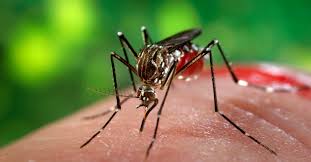
Both malaria and babesiosis are caused by microscopic intraerythrocytic parasites—pathogens that invade and destroy red blood cells. While malaria remains a leading cause of global mortality, particularly among children in sub-Saharan Africa, babesiosis is an emerging public health threat in the United States, expanding geographically alongside blacklegged tick populations across the Northeast and Upper Midwest.
The driving urgency behind the UCR research is the growing failure of standard medical regimens:
-
Malaria: Artemisinin-based combination therapies (ACTs) serve as the global standard for uncomplicated malaria. However, the World Health Organization (WHO) has confirmed artemisinin partial resistance—characterized by delayed parasite clearance following treatment—across Southeast Asia and, increasingly, parts of Africa.
-
Babesiosis: Standard care involves a 7- to 10-day regimen of atovaquone plus azithromycin, or clindamycin plus quinine for severe infection. The Centers for Disease Control and Prevention (CDC) notes that severe complications are particularly common in older adults, individuals without a spleen (asplenic), and immunocompromised patients, where treatment failure and relapse are growing concerns.
“The major issue is that the parasites are becoming resistant to current treatments. We definitely need the next line of defense against these infectious diseases,” said Dr. Karine Le Roch, professor of molecular, cell, and systems biology at UC Riverside and co-principal investigator on the NIAID grants. “We have promising lead compounds active against both Plasmodium and Babesia and want to move them toward preclinical development.”
Transforming Nature’s Chemistry: Pine Bark and Marine Sponges
The UCR-led research centers on two distinct chemical families that offer entirely new mechanisms of action, making it significantly harder for parasites to deploy existing resistance pathways:
-
Leelamine-Derived Isonitriles: Compounds structurally modified from leelamine, a naturally derived resin constituent found in pine bark.
-
Pyrroloiminoquinones: A class of bioactive alkaloids originally isolated from marine sponges.
In early laboratory testing, both molecule classes demonstrated potent antiparasitic activity against Plasmodium and Babesia, successfully eliminating strains that had rendered standard drugs ineffective.
                               NATURAL SOURCES
                                  │       │
             ┌────────────────────┘       └────────────────────┐
             ▼                                                 ▼
       Pine Bark Resin                                  Marine Sponges
   (Leelamine Derivatives)                          (Pyrroloiminoquinones)
             │                                                 │
             └────────────────────┬────────────────────────────┘
                                  ▼
                         PRECLINICAL TESTING
            Targeting drug-resistant Plasmodium & Babesia
This multi-pathway strategy aligns with a broader movement across parasitology to harvest and refine plant and marine biochemistry. Research published in Vaccines evaluated 133 natural products and identified compounds like xanthohumol and gossypol as powerful in vitro inhibitors of Babesia microti. Similarly, a study in Frontiers in Cellular and Infection Microbiology demonstrated that botanical compounds—including extracts from Cryptolepis sanguinolenta and Artemisia annua—exhibited notable inhibitory activity against Babesia duncani in hamster model systems.
Understanding the Scientific Process: Preclinical vs. Clinical Realities
While these findings represent a major step forward for pharmaceutical discovery, health experts emphasize the importance of distinguishing between lab-bench success and human medical treatments.
| Stage of Drug Discovery | Current Status | Primary Objectives |
| In Vitro / Model Testing | Completed | Verify parasite clearance in Petri dishes and initial animal models. |
| Preclinical Optimization | Current Phase (UC Riverside) | Refine molecular stability, evaluate toxicity, determine metabolic pathways, and optimize dosing. |
| Phase I Clinical Trials | Future Goal | Assess safety and pharmacokinetics in healthy human volunteers. |
| Phase II & III Trials | Future Goal | Evaluate efficacy and side effects in infected patients. |
“Natural origin does not automatically equate to safety or immediate clinical utility,” notes Dr. Elizabeth Howard, an independent infectious disease strategist not involved in the UCR study. “A compound that destroys a parasite in a cell culture must still clear steep physiological hurdles. It must be absorbed effectively, reach therapeutic concentrations in human blood, avoid damaging healthy tissues, and remain stable in the body.”
Consequently, medical authorities strongly advise the public against attempting to self-treat parasitic infections with over-the-counter herbal supplements, bark extracts, or raw botanical products. Unrefined preparations lack standardized dosing, can carry toxic contaminants, and frequently interact dangerously with prescription medications.
Public Health Outlook
The five-year NIAID-funded initiative at UC Riverside will focus on chemical optimization, pharmacokinetic profiling, and mapping the precise molecular targets these compounds hit within the parasites. If preclinical safety and efficacy parameters are met, the most promising candidates will advance toward Investigational New Drug (IND) status, paving the way for human clinical trials.
As climate change accelerates tick migration and global travel facilitates the spread of drug-resistant malaria strains, expanding the antiparasitic drug pipeline remains an urgent global health priority.
References
- https://www.news-medical.net/news/20260731/Natural-compounds-could-combat-drug-resistant-malaria-and-babesiosis.aspx
Medical Disclaimer: This article is for informational purposes only and should not be considered medical advice. Always consult with qualified healthcare professionals before making any health-related decisions or changes to your treatment plan. The information presented here is based on current research and expert opinions, which may evolve as new evidence emerges.