 0
0
 0
0
New Delhi — June 15, 2026
Improving sleep by reinforcing the body’s natural daily rhythms could help the brain recover after a stroke, potentially providing a new strategy to enhance the brain’s waste clearance and improve patient outcomes long after the initial injury. According to a groundbreaking study published this week in the Journal of Clinical Investigation, interventions designed to bolster circadian rhythms show profound promise in promoting neural repair and reducing long-term damage.
The findings demonstrate that interventions reinforcing the body’s natural circadian rhythms—including timed light exposure, melatonin supplementation, and a body clock-targeting drug called KL001—significantly improved motor recovery in animal models of stroke. Researchers also observed dramatic enhancements in the glymphatic system, the brain’s recently discovered waste-clearing network, alongside a sharp decline in the inflammatory molecules that typically linger in the brain following an injury.
Stroke as a “Disorder of Timing”
“The discussion of stroke recovery really starts with the idea that stroke is not just a vascular event, but also a disorder of timing,” said lead author Lauren Hablitz, a neuroscientist at the University of Rochester Medical Center.
This perspective reflects a growing recognition in neuroscience that circadian rhythms play a fundamental role in structural brain health. Strokes follow predictable time-of-day patterns; the likelihood of occurrence is historically higher during morning hours, and injuries are often more severe near the end of a sleep period.
At the same time, many stroke survivors experience severely disrupted sleep-wake cycles following their injury. These biological disruptions are closely associated with poorer overall recovery outcomes, depression, and lower quality of life.
“That led us to ask a simple question: If timing is broken after a stroke, can we improve recovery by reinforcing the biological clock?” Hablitz said.
Key Findings: Recovery Even With Delayed Treatment
The research team evaluated several distinct interventions known to influence the body’s internal clock. The evaluated mechanisms and their observed effects include:
| Intervention | Mechanism | Effect on Glymphatic Function |
| Timed Light Exposure | Anchors the circadian rhythm to external environmental time cues | Enhanced |
| High-Dose Melatonin | Regulates and stabilizes the sleep-wake cycle | Enhanced |
| KL001 (Clock-Targeting Drug) | Directly modulates molecular clock genes at a cellular level | Enhanced |
| Time-Restricted Feeding | Aligns eating patterns strictly with the body’s natural active phase | Enhanced |
The most promising therapeutic approaches—KL001 and time-restricted feeding—were tested in mouse models of stroke. Crucially, treatment began three days after stroke onset, well beyond the narrow hours-long treatment window required for traditional clot-busting medications and acute surgical interventions.
Despite this significant delay, the animals receiving the clock-reinforcing interventions showed:
-
Substantially improved motor recovery and coordination.
-
Measurably smaller brain lesion volumes.
-
Enhanced glymphatic fluid flow through neural tissue.
-
Significantly lower levels of inflammatory cytokines (signaling molecules) in the brain.
“All of the cytokines moved in the same direction. That suggests we may not be targeting one specific inflammatory pathway. Instead, we may be helping the brain clear inflammatory signals more effectively,” Hablitz explained.
The Glymphatic System: The Brain’s Waste-Clearing Network
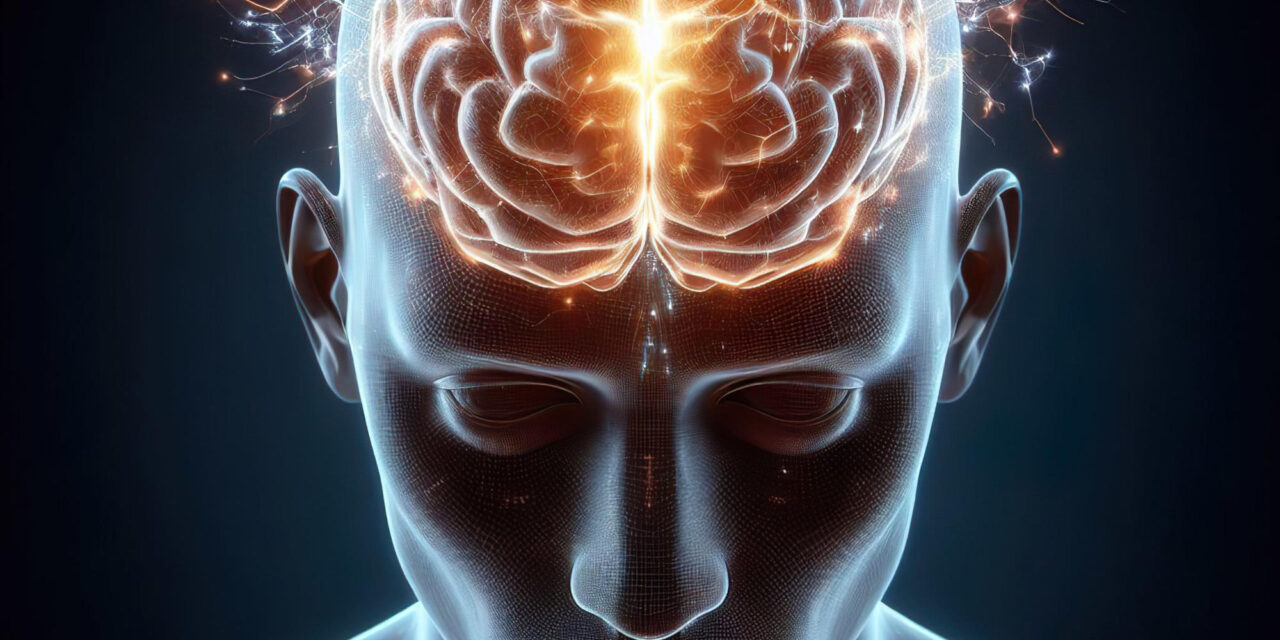
The glymphatic system moves cerebrospinal fluid (CSF) along blood vessels and through brain tissue, delivering essential nutrients while flushing away metabolic waste products and inflammatory signals. Previous studies have shown that glymphatic function is severely impaired after a stroke, which limits the brain’s ability to clear the harmful molecules that accumulate during tissue injury.
Glymphatic function possesses its own strict circadian rhythm, peaking naturally during the sleep phase. This biological connection between circadian rhythms and physical waste clearance represents a major shift in neuroscience. It frames sleep, circadian alignment, and fluid transport not as secondary processes, but as fundamental drivers of brain survival and repair.
Practical Implications for Stroke Rehabilitation
The findings could have immediate, practical implications for real-world stroke rehabilitation. The most promising behavioral intervention tested involved time-restricted feeding—an approach already widely studied for managing obesity, diabetes, and cardiovascular health.
Time-restricted feeding limits food consumption to a specific daily window, aligning metabolic activity with the body’s natural active phase. Because this behavioral intervention is completely non-invasive and requires no pharmaceutical prescriptions, it could theoretically be integrated into existing clinical rehabilitation protocols with ease.
Expert Commentary: What This Means for Patients
Dr. Nirmal Surya, President of the Indian Federation of Neurorehabilitation, emphasized the critical importance of this research for global stroke care, particularly in regions facing escalating case numbers.
“India records over 1.25 million new stroke cases every year, a 51 percent increase since 1990, accounting for roughly 10 percent of all strokes worldwide,” Dr. Surya noted. “While survival rates have improved through increased stroke awareness and better emergency response, post-stroke recovery remains poorly structured. Without targeted rehabilitation, patients may survive the acute event but lose their independence, speech, or memory.”
Dr. Surya highlighted data showing that among stroke survivors who received structured inpatient rehabilitation, 92 percent regained core functional abilities within three months. In contrast, only 70 percent of those on unstructured home care achieved similar milestones, often taking greater than four months to regain basic functions.
Neurologists involved in international stroke care initiatives agree that early, focused, and intensive therapeutic interventions targeting systemic biological health can lead to transformative improvements in long-term independence.
Study Limitations and Future Research
The researchers acknowledge that these findings are currently limited to animal models. More work is required to definitively understand how circadian rhythms, glymphatic function, and neural inflammation interact during human stroke recovery.
“They’re showing a mechanism in mice that’s really compelling, but we need human clinical trials to confirm whether chronotherapy provides similar functional benefits in stroke patients,” noted an independent neurologist who reviewed the study data.
While ClinicalTrials.gov lists numerous studies using time-restricted feeding interventions for metabolic diseases, very few specifically target stroke recovery. A pilot Phase II randomized clinical trial investigating time-restricted feeding in acute ischemic stroke patients has been proposed but is currently categorized as “not yet recruiting.” However, existing human data shows that early time-restricted feeding safely improves 24-hour glucose levels and positively affects molecular markers of the internal circadian clock, suggesting the protocol can translate safely to human biology.
The Broader Scientific Context
This study reflects mounting global evidence linking biological clock disruption to poor clinical outcomes. A recent systematic review analyzing 50 separate studies found that 93 percent of studies detected profound circadian rhythm disruption in stroke patients. Furthermore, 90 percent of those studies established a direct, positive association between this internal disruption and a poor long-term prognosis—including impaired functional recovery, cognitive decline, mood disorders, and increased mortality.
Additional clinical research from Brigham and Women’s Hospital discovered that cerebral blood flow regulation displays a strict daily rhythm in stroke patients. Regulation was found to be significantly more degraded during nighttime and early morning hours compared to the afternoon. These findings suggest that active therapies, physical rehabilitation, and even certain elective surgeries may yield better outcomes when scheduled strategically during afternoon hours.
For stroke survivors and their families, this research offers concrete hope for accessible, non-invasive interventions. While larger human trials are underway, behavioral adjustments—particularly maintaining rigid sleep-wake cycles and optimizing light exposure—can be discussed immediately with healthcare providers as part of a comprehensive recovery plan.
What Readers Should Know:
Simple lifestyle adjustments can have a real impact. A recent study from AIIMS New Delhi found that incorporating just 30 minutes of supervised morning sunlight exposure on alternate days, combined with standard physical rehabilitation, significantly improved sleep quality, mood, and overall quality of life in moderate stroke patients by naturally anchoring their circadian rhythms.
References
- https://health.economictimes.indiatimes.com/news/industry/reinforcing-body-clock-rhythms-may-help-brain-recover-from-stroke-study-suggests/131772641?utm_source=top_story&utm_medium=homepage
Medical Disclaimer: This article is for informational purposes only and should not be considered medical advice. Always consult with qualified healthcare professionals before making any health-related decisions or changes to your treatment plan. The information presented here is based on current research and expert opinions, which may evolve as new evidence emerges.