 0
0
 0
0
June 17, 2026 | New Delhi
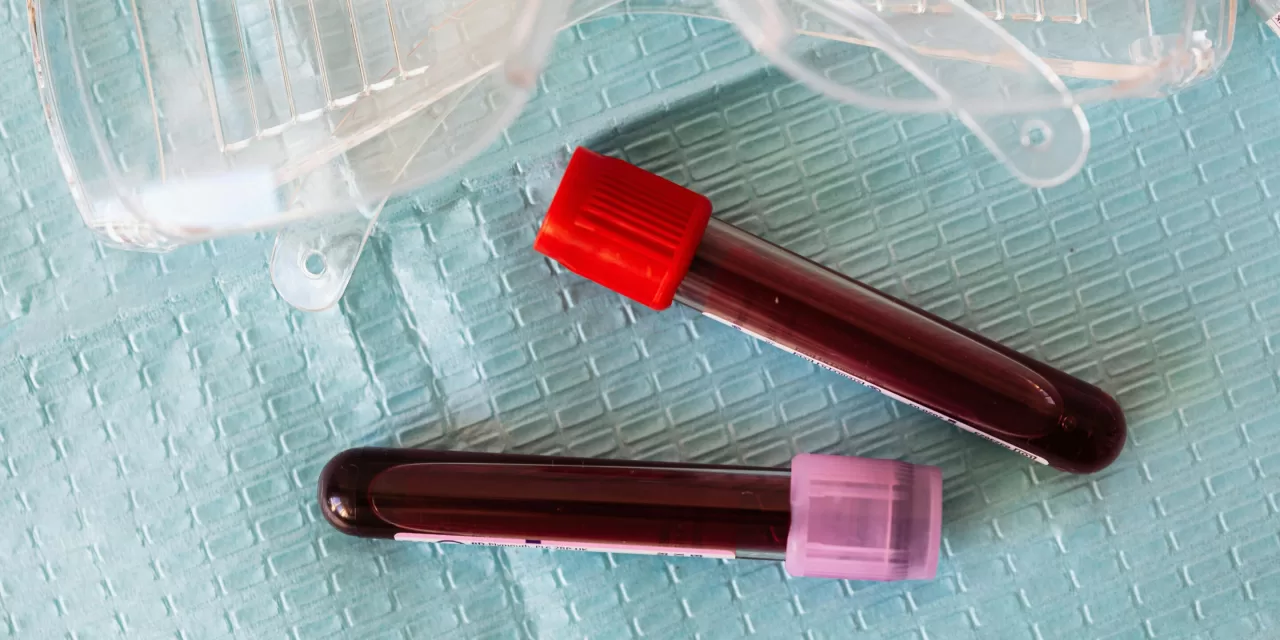
NEW DELHI — A groundbreaking blood-testing method developed by researchers at the Stanford University School of Medicine can now determine the biological age of 11 different internal organ systems, offering a crystal ball into an individual’s future health. By measuring specific protein signatures in the blood, the test can successfully predict the risk of organ-specific diseases up to a decade before clinical symptoms appear. Published in Nature Medicine, the large-scale study reveals a striking public health insight: the biological age of your brain is the single most powerful predictor of both your risk for developing Alzheimer’s disease and your overall lifespan.
Moving Beyond the Calendar: Biological vs. Chronological Age
For generations, medicine has relied heavily on chronological age—the number of candles on your last birthday cake—to assess health risks. However, physicians have long observed that human bodies do not wear down uniformly. One person might possess the cardiovascular fitness of an athlete but struggle with declining kidney function, while another might experience the reverse.
This new testing method relies on “plasma proteomics”—the deep-dive analysis of proteins circulating in the fluid portion of our blood. By tracking these microscopic cellular messengers, scientists can pinpoint exactly which organs are experiencing accelerated wear and tear.
+-----------------------------------------------------------------+
|                    THE 11 ORGAN SYSTEMS TRACKED                  |
+-----------------------------------------------------------------+
|   Brain    ·   Heart   ·   Lung      ·  Kidneys  ·  Immune System   |
|   Muscle   ·   Liver   ·   Arteries  ·  Pancreas ·  Intestine & Fat |
+-----------------------------------------------------------------+
The comprehensive study built upon foundational work from late 2023, which established that approximately one in five reasonably healthy adults over the age of 50 carries at least one organ that is aging at an accelerated rate. This latest breakthrough scales that concept into a highly precise predictive tool.
Inside the Data: How the Study Was Done
The Stanford research team, guided by senior author Dr. Tony Wyss-Coray, a professor of neurology and neurological sciences, analyzed blood samples from an expansive cohort of 44,498 individuals aged 40 to 70 enrolled in the UK Biobank database.
Using advanced commercial laboratory technologies, the team quantified roughly 3,000 plasma proteins. Remarkably, they discovered that about 15% of these proteins could be traced back to a single-organ origin.
Using these organ-specific proteins, the researchers trained a machine-learning algorithm to calculate how much a person’s protein signature deviated from the average baseline of peers with the same chronological age. This deviation yielded an independent “biological age” for each organ system.
“The brain is the gatekeeper of longevity,” explained Dr. Wyss-Coray. “If you’ve got an old brain, you have an increased likelihood of mortality. If you’ve got a young brain, you’re probably going to live longer.”
The Brain as a Predictor for Alzheimer’s and Mortality
The statistical associations uncovered by the algorithm were remarkably stark, particularly concerning brain health:
-
Elevated Alzheimer’s Risk: Participants identified as having “extremely aged” brains—defined as those landing in the top 6% to 7% of the accelerated-aging spectrum—faced a 3.1-fold increased risk of developing Alzheimer’s disease compared to individuals with normally aging brains.
-
The Youthful Protection: Conversely, individuals with “extremely youthful” brains demonstrated incredible resilience, presenting barely one-fourth the Alzheimer’s risk of their peers (a hazard ratio of 0.26). Researchers noted that this protective effect mimics the genetic advantage of carrying two copies of the rare APOE2 gene, while the highly aged profile mirrored the danger of carrying the APOE4 gene, the most significant known genetic risk factor for sporadic Alzheimer’s.
-
Mortality Rates: Over a 15-year observation period, an extremely aged brain boosted a participant’s risk of death by 182%. Meanwhile, a uniquely youthful brain signature was tied to a 40% reduction in mortality.
The Compounding Toll of Multiple Aged Organs
Accelerated aging is rarely an isolated event. The Stanford study revealed that one-third of all participants had at least one organ driving in the fast lane of aging, while 25% exhibited accelerated metrics across multiple organ systems.
As the number of failing or prematurely aged organs multiplied, mortality risks climbed dramatically over the 15-year follow-up window.
| Number of “Extremely Aged” Organs | Increased Risk of Mortality | Percentage Who Passed Away Within 15 Years |
| Normal Baseline | 1.0x (Standard Risk) | Minimal baseline |
| 2 to 4 Organs | 2.3-fold increase | Moderate elevation |
| 5 to 7 Organs | 4.5-fold increase | Significant elevation |
| 8 or More Organs | 8.3-fold increase | Over 60% |
Lifestyle: The Lever to Slow the Biological Clock
Crucially, the study showed that these organ-aging scores are dynamic and highly sensitive to everyday choices. The data explicitly linked several modifiable lifestyle habits to either accelerated or decelerated biological aging.
Factors that Speed Up Aging
-
Tobacco smoking and heavy alcohol consumption
-
High intake of processed meats
-
Chronic insomnia and poor sleep hygiene
-
High levels of socioeconomic deprivation
Factors that Promote Youthful Organs
-
Consistent, vigorous physical exercise
-
Dietary intake of oily fish (rich in omega-3 fatty acids) and lean poultry
-
Higher educational attainment
The researchers also documented notable protective trends associated with certain routine supplements. Regular use of glucosamine, cod liver oil, multivitamins, and Vitamin C—as well as clinical estrogen replacement therapy in women—correlated with significantly younger biological profiles, primarily benefiting the kidneys, brain, and pancreas.
Perspectives from the Medical Field
Independent experts not involved in the original Stanford trial emphasize that while this development is monumental, it represents a shift toward preventive tracking rather than immediate diagnostics.
“The ultimate aim here is to direct preventive healthcare with a single, non-invasive assessment,” says Raghav Sehgal, an organ-aging biomarker researcher at Yale University. “It reveals not just an abstract overall biological age, but cleanly segments which internal systems are contributing to a patient’s health decline.”
Martha Levine, a veteran researcher specializing in biological biomarkers, urges a measured interpretation for consumers. “It is vital to understand that this test is not intended for acute diagnostic purposes. It is an advanced tool for assessing long-term risk, giving clinicians a window of opportunity to intervene before an illness cements itself.”
Current Limitations and the Path to the Clinic
Before health-conscious consumers rush to order this screen, medical authorities point out several systemic hurdles that still need to be addressed:
-
Homogeneous Study Group: The UK Biobank data stems predominantly from a white, middle-aged European demographic. Because genetic variations and environmental exposures alter protein expression, the algorithm must be extensively tested and recalibrated within racially and ethnically diverse populations.
-
Snapshot vs. Timeline: The initial findings are based on cross-sectional data—meaning they represent a snapshot in time. Longitudinal trials that sample blood repeatedly over decades are required to prove how steadily or erratically individual organs age.
-
Regulatory Approval: The assay has not yet received FDA approval and remains strictly classified for research purposes only.
Expected Rollout and Cost
The technology has already been licensed by Stanford University to two private biotech firms co-founded by Dr. Wyss-Coray, including Vero Bioscience. Current operational projections suggest a streamlined version of the test focusing on critical systems—the brain, heart, and immune system—could become commercially available to consumers within two to three years. Dr. Wyss-Coray estimates that once laboratory processing scales globally, the test could cost an accessible $200.
Ultimately, this research moves modern medicine one step closer to true personalization. By pointing out exactly which internal organ is aging faster than the rest of the body, it empowers individuals to make tailored adjustments to their diet, fitness, and medical care—protecting the brain, and the rest of the body, well into old age.
References
- https://health.economictimes.indiatimes.com/news/industry/scientists-develop-blood-based-indicator-of-organ-age/131766957?utm_source=top_story&utm_medium=homepage
Medical Disclaimer: This article is for informational purposes only and should not be considered medical advice. Always consult with qualified healthcare professionals before making any health-related decisions or changes to your treatment plan. The information presented here is based on current research and expert opinions, which may evolve as new evidence emerges.