 0
0
 0
0
IROBIDAK, Democratic Republic of Congo — Three promising vaccine candidates targeting the deadly Ebola Bundibugyo virus could begin Phase 1 clinical trials as early as July 2026. This marks a critical milestone in the global race to control a rapidly spreading epidemic that has ravaged eastern Democratic Republic of Congo (DRC) and neighboring Uganda since May 2026. Developed by Oxford University, Moderna, and the International AIDS Vaccine Initiative (IAVI), these experimental vaccines are receiving urgent financial backing and regulatory support from the Coalition for Epidemic Preparedness Innovations (CEPI) to fast-track human safety testing.
The Outbreak Context: A Strain with No Weapon
The Bundibugyo ebolavirus outbreak was officially confirmed in May 2026 in the DRC and quickly crossed into Uganda. Recognizing the threat, the World Health Organization (WHO) declared the situation a Public Health Emergency of International Concern (PHEIC) on May 15, 2026.
The scale of the crisis is mounting swiftly. As of June 16, 2026, the DRC Ministry of Health reported 808 confirmed cases, including 192 confirmed deaths. The northeastern Ituri province remains the epicenter, accounting for 738 of those cases. Meanwhile, Uganda has tracked 19 confirmed cases and two deaths.
What makes the Bundibugyo strain particularly terrifying for public health officials is the total absence of specialized medical defenses. Unlike the more common Zaire strain of Ebola, which can be managed with licensed vaccines like Ervebo®, the Bundibugyo strain has no approved vaccine, specific treatment, or rapid diagnostic test. This is only the fourth recorded outbreak of Bundibugyo since it was first identified in Uganda in 2007. Historically, the virus carries a harsh case fatality rate of 25% to 40%, meaning it kills roughly one-third of the people it infects.
Inside the Vaccine Portfolio: Three Distinct Technologies
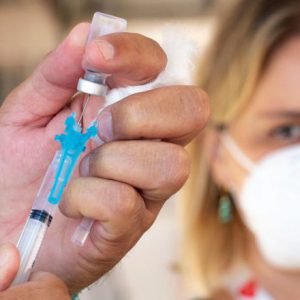
To maximize the chances of success, international partners are funding three entirely different vaccine technologies. This multi-pronged strategy spreads the scientific risk, ensuring that if one platform fails, others may still succeed.
1. Moderna’s mRNA-Based Vaccine
CEPI has committed up to $50 million to support the preclinical development and Phase 1 clinical testing of Moderna’s candidate. This vaccine utilizes messenger RNA (mRNA) technology—the same scientific framework deployed globally to combat the COVID-19 pandemic.
“We have worked on Ebola in preclinical models showing great results,” said Stéphane Bancel, CEO of Moderna, in an interview. “At Moderna, we believe our mRNA platform can play an important role in responding rapidly to emerging infectious disease threats. We will move with urgency and scientific rigor to support the response.”
The dedicated funding aims to establish manufacturing readiness alongside early clinical trials. However, several logistical questions remain. Researchers do not yet know whether this mRNA vaccine will require a single injection or a two-dose regimen to prompt full immunity, a question that the upcoming Phase 1 trials are designed to answer.
2. Oxford University’s ChAdOx1 Platform Vaccine
An allocation of $8.6 million from CEPI is helping Oxford University prepare for human trials of its candidate, named ChAdOx1 BDBV. This vaccine relies on a harmless, modified chimpanzee adenovirus vector—the exact same viral platform that underpinned the Oxford/AstraZeneca COVID-19 vaccine.
To ensure rapid availability, the Serum Institute of India (SII) has partnered with Oxford to manufacture the clinical trial doses. Oxford researchers anticipate that this candidate will be ready for human injection within two to three months, making it one of the fastest-moving projects on the table.
3. IAVI’s rVSV Viral Vector Vaccine
Taking a separate path, IAVI is using a recombinant vesicular stomatitis virus (rVSV) platform, receiving an initial $3.2 million from CEPI. This platform is highly promising because it mirrors the design of the existing, highly effective Zaire Ebola vaccine. IAVI scientists are essentially adjusting that proven recipe to recognize the Bundibugyo strain instead.
In early animal studies involving non-human primates, this experimental vaccine successfully stimulated the immune system, offering nearly 100% protection. The primary drawback is its production timeline: preparing the master virus seed stock is complex, and experts estimate it could take seven to nine months to get this candidate ready for human trials, though acceleration efforts are ongoing.
What Phase 1 Trials Mean for Safety
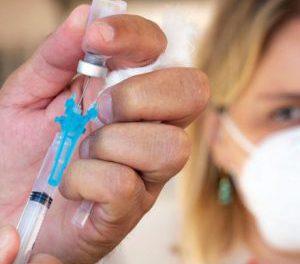
It is crucial for both healthcare workers and the public to understand what a Phase 1 trial represents. These studies are the first stage of clinical testing in humans. They do not measure whether a vaccine fully prevents an infection in the wild; instead, they focus strictly on safety, tolerability, and immunogenicity (whether the vaccine successfully teaches the human immune system to recognize the virus).
Typically involving 20 to 100 healthy adult volunteers, Phase 1 trials are closely monitored to catch any serious adverse side effects. Past clinical trials evaluating similar Ebola platforms showed no major safety concerns after a single dose, proving well-tolerated while triggering robust immune responses. Public health leaders hope to replicate those clean safety profiles with these new Bundibugyo-specific formulations.
Expert Perspectives: Urgency Balanced with Reality
“With Bundibugyo virus spreading rapidly and no licensed vaccines, every day counts in the race against this deadly disease,” stated Dr. Richard Hatchett, CEO of CEPI. “The technology to create an effective Bundibugyo vaccine is at our disposal, but we need to demonstrate its efficacy.”
While Dr. Hatchett expressed optimism that early-stage field trials could potentially begin within a few months following Phase 1 safety clearances, he urged caution regarding the ground realities in Central Africa. “Vaccine development can be unpredictable, and the challenging security situation in eastern Congo would make field trials highly complex,” Hatchett noted. He added that having vaccines visible on a realistic horizon should immediately spark global conversations about procurement, funding, and international rollout distribution.
Unknowns and Public Health Limitations
Despite the scientific momentum, immense challenges persist. Chief among them is that nobody knows the true size of the current outbreak. The official count stands at 808 confirmed cases, but organizations like the WHO and Doctors Without Borders (MSF) warn that local tallies are severely bottlenecked by a lack of diagnostic tools. Frontline estimates suggest there are well over 1,000 suspected cases and more than 250 deaths left unconfirmed.
“To bring the situation under even partial control, there must be an immediate expansion of testing capacity,” explained Dr. Alan Gonzalez, deputy director of operations for Doctors Without Borders. “The reality today is that nobody knows the true scale and severity of this outbreak.”
Furthermore, several vaccine-specific limitations shade the timeline:
-
Unconfirmed Efficacy: While animal data is strong for viral vector methods, the WHO notes that no extensive data yet verifies the specific real-world effectiveness of the adapted IAVI vaccine in human populations.
-
Logistical Chaos: Eastern DRC is a complex humanitarian setting marked by armed conflict, remote geography, and high population displacement, making it incredibly difficult to trace contacts or manage cold-chain logistics for vaccines.
-
Production Uncertainty: Mass manufacturing capabilities at a global scale cannot be fully realized until early human trials show definitive safety metrics.
Practical Implications for the Public
For the global community and individuals traveling near the Great Lakes region of Africa, the immediate takeaway is one of strict prevention. Because these vaccines are only entering Phase 1 trials, there is currently no proven, publicly available vaccine for the Ebola Bundibugyo strain.
Controlling the epidemic right now depends entirely on classic public health measures: active contact tracing, strict infection control in clinics, isolating suspected individuals, and practicing safe, dignified burials. For everyday protection, avoiding contact with the bodily fluids of infected or deceased individuals and maintaining rigorous hand hygiene remain the only reliable defenses.
The Road Ahead
Even if July’s Phase 1 trials yield pristine safety data, a publicly available vaccine is still a long-term goal. The candidates must safely transition into Phase 2 trials to check efficacy in larger cohorts, followed by Phase 3 trials involving thousands of individuals to confirm absolute protection and watch for rare side effects.
As Dr. Hatchett emphasized, bringing this outbreak under control will require a “long, committed response.” The coming weeks will show whether modern, pandemic-era vaccine platforms can successfully outrun one of the world’s most dangerous pathogens in one of its most complex humanitarian environments.
Medical Disclaimer
Medical Disclaimer: This article is for informational purposes only and should not be considered medical advice. Always consult with qualified healthcare professionals before making any health-related decisions or changes to your treatment plan. The information presented here is based on current research and expert opinions, which may evolve as new evidence emerges.
References
Study and News Sources
-
Reuters. “Ebola Bundibugyo vaccine candidates could enter Phase 1 trials as early as July.” Published June 16, 2026.