 0
0
 0
0
THIRUVANANTHAPURAM, Kerala — With the southwest monsoon intensifying across the region, the Kerala Health Department reported 19 fresh Shigella infections on Thursday, pushing the state’s caseload for this month alone to 110. The sudden spike in this highly contagious waterborne disease has prompted health authorities to launch an aggressive, statewide anti-diarrhoeal campaign running through July 31 to halt transmission and protect vulnerable populations.
Outbreak Spread: Multiple Districts Flagged
According to official state surveillance data, the current outbreak is heavily concentrated in northern and central Kerala, with Kozhikode and Wayanad reporting the highest clusters. Formal outbreaks have already been declared in both districts, which account for 33 and 18 cases this month, respectively.
The 19 newly confirmed cases demonstrate an expanding geographic footprint. The state health bulletin noted nine new infections in Kozhikode, three in Thrissur, two each in Thiruvananthapuram and Kannur, and single cases in Kollam, Ernakulam, and Malappuram. Cumulatively, Kerala has recorded 186 Shigella cases since January 2026, meaning more than late 60% of this year’s total infections occurred in just the first three weeks of June.
The gravity of the situation was underscored in early June by the tragic death of a four-year-old child in Kozhikode—the state’s first known casualty from this current wave. This brings the total number of shigellosis-related deaths in Kerala to five for the year.
What Is Shigellosis? Understanding the Bacterial Threat
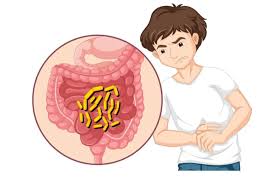
Shigellosis, historically termed bacillary dysentery, is an acute intestinal infection caused by the Shigella genus of bacteria. Unlike many other waterborne pathogens that require large volumes to infect a host, Shigella is notorious for its exceptionally low infectious dose; swallowing as few as 10 to 100 bacterial cells can trigger severe clinical illness.
The Centers for Disease Control and Prevention (CDC) notes that symptoms typically appear within 12 to 72 hours of exposure.
Common Symptoms to Watch For:
-
Severe, prolonged diarrhea (frequently containing blood or mucus)
-
High-grade fever
-
Acute, cramping abdominal pain
-
Tenesmus (the constant, painful sensation of needing to pass stool even when the bowels are empty)
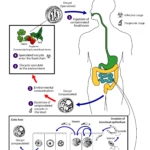
The bacteria primarily spreads via the fecal-oral route. Transmission occurs when individuals ingest water or food contaminated by undetectable amounts of human feces containing the bacteria, or through direct person-to-person contact when basic hand hygiene fails.
Children Under Five Bear the Highest Risk
While anyone exposed can contract shigellosis, public health data highlights a stark demographic vulnerability. Children under five years of age suffer the highest rates of severe morbidity and mortality.
In young pediatric patients, the rapid loss of fluids and essential electrolytes caused by watery or bloody diarrhea quickly progresses to severe dehydration. According to peer-reviewed data published in clinical pediatric literature, severe, untreated shigellosis can result in life-threatening complications, including metabolic acidosis, electrolyte imbalances, and acute kidney injury or organ dysfunction—especially in neonates and young infants.
Government Response: War-Footing Containment Measures
In an official briefing, Kerala Health Minister K. Muraleedharan detailed the mobilization of rapid response teams and the deployment of cross-departmental sanitation measures to control the pathogen’s spread.
“The disease mainly spreads through contaminated food and water. Strict hygiene practices are essential to prevent its spread,” Minister Muraleedharan stated, while maintaining that the situation is being watched closely and remains manageable.
To enforce institutional accountability, the state has initiated a zero-tolerance inspection policy across the food and beverage industry. Health inspectors have been authorized to immediately close any restaurant, hotel, or roadside eatery (thattukada) found operating under unhygienic conditions.
| Campaign Focus Area | Specific Public Health Actions |
| Water Safety | Strict chlorination of public sources; ongoing quality monitoring of household wells. |
| Food Safety Enforcement | Random inspections of eateries; legal mandate for all food handlers to hold valid medical certificates. |
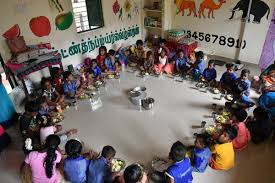
| Medical Preparedness | Pre-positioning Oral Rehydration Salts (ORS) and Zinc dispersible tablets at local clinics and anganwadis (daycare centers); dedicated hospital beds. |
| Hygiene Education | Community drives targeting proper handwashing techniques and safe formula preparation for infants. |
State health workers have expressed explicit concern over illicit commercial practices, such as the dangerous reuse of industrial ice—originally manufactured exclusively for preserving raw fish—in consumer beverages. Local self-government bodies have been instructed to seize and destroy contaminated ice supplies.
The Monsoon Connection and Infrastructure Challenges
The timing of the outbreak aligns predictably with the arrival of the southwest monsoon. Heavy rains and localized flooding frequently cause sewage overflow to breach drinking water pipelines and shallow open wells, which remain primary water sources for many Kerala households.
Independent epidemiologists point out that while the government’s seasonal campaign is comprehensive, it highlights persistent, recurring infrastructure vulnerabilities. Public health data from the Directorate of Health Services reveals the staggering seasonal burden Kerala faces: between 2016 and 2025, waterborne and vector-borne diseases like leptospirosis alone infected over 22,000 individuals and caused 1,266 deaths during annual flooding windows.
To establish permanent preventive strategies rather than temporary reactive measures, the government has constituted a high-power expert panel. Dr. S.S. Lal, a veteran consultant with the World Health Organisation (WHO), will chair the committee to investigate the underlying environmental drivers behind the state’s recurring food and waterborne outbreaks.
Practical Blueprint for Families and Clinicians
For health-conscious consumers, protecting households from Shigella depends on disrupting the bacterial transmission cycle through strict personal habits.
[Safe Drinking Water] -> [Vigorous Handwashing] -> [Rapid Hydration (ORS)]
-
Boil All Water: Drinking water must be brought to a rolling boil for at least one full minute to guarantee the thermal destruction of Shigella bacilli. Field filters may not completely eliminate the risk if unmaintained.
-
Practice Rigid Hand Hygiene: Wash hands thoroughly with soap and clean running water for at least 20 seconds after using the restroom, changing diapers, and strictly before handling or consuming food.
-
Audit Dietary Choices: Avoid consuming raw vegetables, unpeeled fruits, or ice from unverified sources. Restrict dining out at roadside stalls lacking running water for hand hygiene.
-
Act Fast on Pediatric Symptoms: If a child under five develops diarrhea accompanied by a fever, do not wait for a formal diagnosis. Immediately begin administering Oral Rehydration Solutions (ORS) to counter fluid loss and seek immediate medical evaluation.
For medical practitioners, the current outbreak serves as a clinical reminder to maintain a high index of suspicion for shigellosis when treating acute gastroenteritis during the monsoon. Prompt fluid resuscitation remains the cornerstone of management. Additionally, because multi-drug resistant Shigella strains are increasingly prevalent across South Asia, experts advise clinicians to reserve empirical antibiotic therapies strictly for severe, systemic, or bloody cases, ideally guided by local stool culture and susceptibility profiles.
Medical Disclaimer
Medical Disclaimer: This article is for informational purposes only and should not be considered medical advice. Always consult with qualified healthcare professionals before making any health-related decisions or changes to your treatment plan. The information presented here is based on current research and expert opinions, which may evolve as new evidence emerges.
References
-
The Economic Times (HealthWorld): “Kerala records 19 fresh shigella cases, launches anti-diarrhoeal disease campaign,” June 19, 2026.