 0
0
 0
0
NEW DELHI — In a comprehensive push to combat persistent childhood stunting and maternal malnutrition, the Indian Ministry of Women and Child Development has announced key infrastructure and monitoring updates under its flagship initiative, Mission Saksham Anganwadi and Poshan 2.0.
Speaking in the Lok Sabha on Friday, July 31, 2026, Minister of State for Women and Child Development, Smt. Savitri Thakur, detailed how the revamped program is leveraging digital tracking, community-level agricultural plots known as Poshan Vatikas, and upgraded Anganwadi Centres (AWCs) to deliver an essential package of six health and nutrition services across the nation.
The initiative targets India’s most vulnerable populations—children up to six years of age, pregnant women, lactating mothers, and adolescent girls in select high-need districts—offering a holistic model that fuses primary healthcare integration with localized dietary interventions.
A Six-Pillar Safety Net for Early Childhood Development
At the heart of Poshan 2.0 is an integrated strategy that addresses the multifaceted nature of malnutrition. Rather than focusing solely on food distribution, the mission deploys a six-service framework delivered directly through community-based Anganwadi Centres:
-
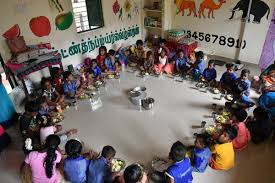
Supplementary Nutrition (SNP): Delivery of Hot Cooked Meals (HCM) and Take-Home Rations (THR) formulated to meet age-specific caloric and protein requirements.
-
Pre-school Non-formal Education: Early Childhood Care and Education (ECCE) aimed at cognitive and motor development.
-
Nutrition & Health Education (NHE): Behavioral change communication for mothers regarding infant and young child feeding practices.
-
Immunization: Primary and booster vaccinations administered in coordination with the National Health Mission (NHM).
-
Health Check-ups: Routine screenings for developmental milestones and common pediatric illnesses.
-
Referral Services: Direct clinical pathways to Primary Health Centres (PHCs) for high-risk pregnancies or children diagnosed with severe health conditions.
By anchoring medical services like immunizations and clinical check-ups to the existing Public Health Infrastructure, the policy bridges the gap between rural communities and formal healthcare systems.
Modernizing the Frontline: The Rise of Saksham Anganwadis
To enhance service delivery, the government has sanctioned the transformation of two lakh (200,000) Anganwadi Centres located in government buildings into high-tech “Saksham Anganwadis” during the 15th Finance Commission cycle.
These modernized hubs are equipped with clean water filtration systems, LED screens for interactive learning, specialized ECCE materials, and “Building as Learning Aid” (BALA) visual designs. For instance, in Uttar Pradesh alone, 23,697 AWCs have been approved for this upgrade, including 206 centers in the District of Ghaziabad.
To ensure accuracy in identifying early signs of growth faltering, frontline health workers—Anganwadi Workers (AWWs) and Lady Supervisors—are being equipped with standardized Growth Monitoring Devices (GMDs) and dedicated smartphones. Cost-shared central funding provides ₹10,000 (plus GST) per smartphone and ₹8,000 for a standardized set of four growth devices:
-
Infantometers for measuring infant length.
-
Stadiometers for measuring height in older children.
-
Infant Weighing Scales for precise infant mass evaluation.
-
Mother-and-Child Scales for joint weight tracking.
Through the central Poshan Tracker mobile platform, workers record near-real-time measurements. This enables health authorities to instantly classify a child’s nutritional status into standard clinical categories: Normal, Underweight, Stunted, Moderately Acute Malnourished (MAM), or Severely Acute Malnourished (SAM).
Poshan Vatikas: Closing the Dietary Diversity Gap
A critical scientific evolution in Poshan 2.0 is its heavy emphasis on micronutrient intake through Poshan Vatikas (Nutri-gardens). Established on AWC grounds or nearby community lands, these gardens supply fresh, locally cultivated fruits, leafy vegetables, nuts, and medicinal herbs directly into daily meal programs.
Global health bodies, including the World Health Organization (WHO), have long emphasized that energy-dense staple diets often fail to prevent “hidden hunger”—a chronic lack of essential vitamins and minerals. Micronutrient deficiencies, particularly in iron, vitamin A, iodine, and zinc, lead to compromised immunity, cognitive impairment, and heightened risk of infectious disease in young children.
“Dietary diversity is one of the most effective non-pharmacological defenses against childhood anemia and micronutrient deficiencies,” explains Dr. Ananya Mukherjee, an independent public health specialist and epidemiologist based in New Delhi, who is not affiliated with the ministry. “While supplementary calories prevent severe wasting, fresh local produce supplies bioavailable vitamins and minerals necessary for endocrine function, bone density, and immune resilience. Encouraging local cultivation ensures a sustainable, low-cost supply of these critical nutrients.”
Incentivizing Public Health Workers and Real-Time Data
Recognizing that frontline health interventions rely entirely on the workforce, Poshan 2.0 has tied performance-based financial incentives directly to key health metrics. Anganwadi Workers and Helpers receive monthly incentives of ₹500 and ₹250, respectively, contingent on two vital operational targets:
-
Growth monitoring of at least 80% of registered children aged 0–6 in their catchment area.
-
Completion of at least 60% of mandated home visits for maternal and newborn care monitoring.
This digital workflow allows health administrators to pivot resources quickly when a specific district shows a sudden spike in acute malnutrition or a drop in growth tracking compliance.
Public Health Implications and Structural Challenges
Public health experts broadly welcome the structural updates, particularly the shift toward real-time digital tracking and micronutrient-rich food sources. Early identification of SAM cases reduces pediatric mortality by allowing timely intervention with Therapeutic Foods or specialized clinical care before secondary infections set in.
However, independent analysts note that structural challenges remain. “The success of Poshan 2.0 hinges on long-term execution, adequate training for workers on digital tools, and maintaining supply chain consistency for supplementary foods,” notes Dr. Mukherjee. “While smartphones and growth devices are critical, ensuring uninterrupted maintenance, data coverage in remote regions, and continuous community trust will dictate the program’s ultimate epidemiological impact.”
Additionally, social determinants of health—such as access to clean sanitation facilities, maternal literacy, and early marriage practices—continue to exert strong pressure on child growth outcomes alongside direct dietary interventions.
Practical Takeaways for Families
For mothers and caregivers in eligible districts, the expanded mission provides several immediate health opportunities:
-
Free Screenings: Caregivers can visit their local AWC monthly to have their child’s height and weight mapped on WHO-standard growth charts.
-
Nutritional Counseling: Pregnant and lactating women gain access to guided dietary counseling focused on utilizing low-cost, locally grown greens and iron-rich foods.
-
Integrated Healthcare: Routine vaccination schedules and pediatric check-ups can be accessed directly at local AWCs during designated Health and Nutrition Days, saving travel time to distant hospitals.
As India works toward achieving Sustainable Development Goals related to zero hunger and improved child survival, Mission Saksham Anganwadi and Poshan 2.0 represents a scalable attempt to combine localized agriculture, frontline healthcare, and modern digital logistics.
References
-
Government Announcement: Ministry of Women and Child Development, Press Information Bureau (PIB) Delhi. Update on Mission Saksham Anganwadi and Poshan 2.0 in Lok Sabha. Released July 31, 2026.
Medical Disclaimer: This article is for informational purposes only and should not be considered medical advice. Always consult with qualified healthcare professionals before making any health-related decisions or changes to your treatment plan. The information presented here is based on current research and expert opinions, which may evolve as new evidence emerges.