 0
0
 0
0
THIRUVANANTHAPURAM — In a decisive move to bolster patient safety and restore public confidence in the state’s healthcare infrastructure, the Kerala Health Department has issued a comprehensive statewide mandate enforcing a rigorous new surgical safety protocol. The government order, dated April 15, 2026, requires all state-run hospitals to implement standardized pre-operative verifications, instrument tracking, and team-based checks effective immediately.
The directive comes in the wake of several high-profile alleged surgical lapses in government institutions that sparked intense public debate over operating-room (OR) accountability. By aligning state regulations with international benchmarks, Kerala health officials aim to eliminate “never events”—preventable medical errors that should never occur in a clinical setting.
A Shield Against Human Error: What the Protocol Changes
The new protocol is heavily modeled after the World Health Organization (WHO) Surgical Safety Checklist, a global gold standard designed to improve communication and consistency in the OR. Rather than adding administrative “red tape,” the measures focus on critical pause points during the surgical process.
According to the Health Department’s order, the protocol mandates a three-phase check:
-
Before Induction of Anesthesia: Precise patient identification, site marking, and equipment safety checks.
-
Before Skin Incision (The “Time Out”): The entire surgical team confirms the patient’s identity, the procedure, and anticipated critical events.
-
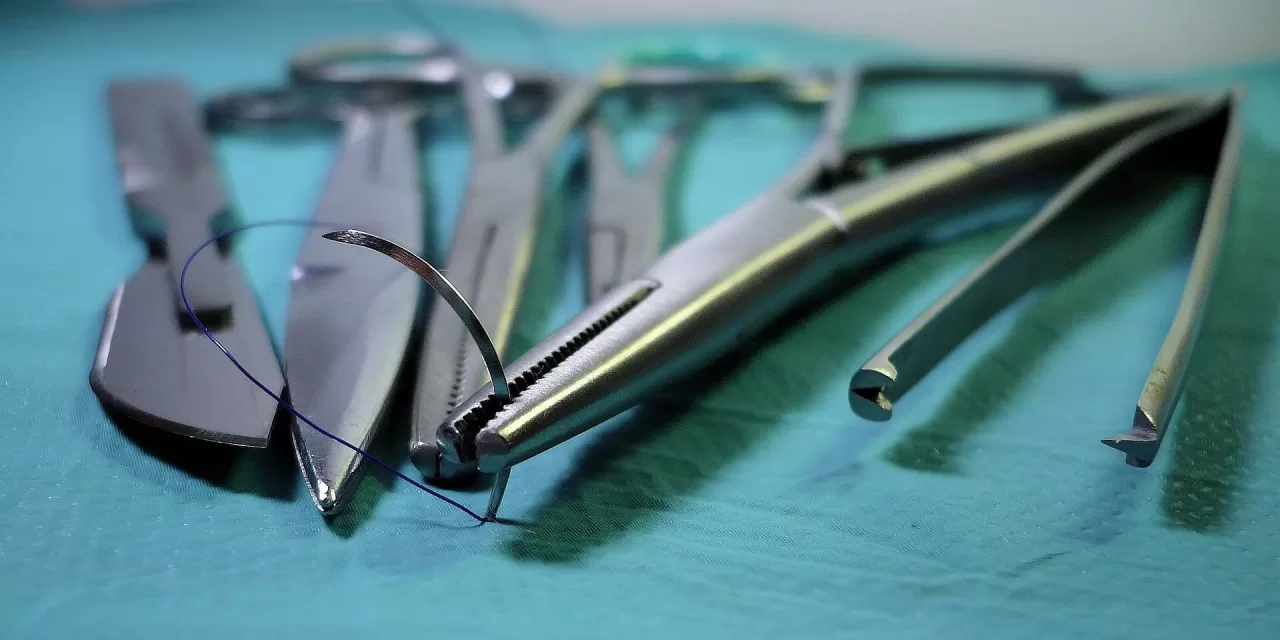
Before the Patient Leaves the OR: Accounting for all surgical instruments and sponges, and confirming the labeling of any biological specimens.
“This isn’t just about filling out a form,” said a senior official from the Kerala Health Services. “It is about creating a culture where a junior nurse has the authority to stop a surgery if a verification step is missed. We are standardizing care so that a patient in a rural taluk hospital receives the same safety rigour as one in a major medical college.”
The Evidence: Why Checklists Save Lives
The push for standardized protocols is backed by decades of robust clinical data. A landmark study published in the New England Journal of Medicine (NEJM) demonstrated that the introduction of a 19-item surgical checklist led to a staggering reduction in complications and mortality.
| Metric | Before Checklist | After Checklist | % Change |
| Inpatient Complications | 11.0% | 7.0% | -36.4% |
| Surgical Site Infections | 6.2% | 3.4% | -45.2% |
| In-hospital Deaths | 1.5% | 0.8% | -46.7% |
Source: Haynes et al., NEJM
Independent safety experts compare these protocols to aviation safety. Just as a seasoned pilot never skips a pre-flight check regardless of their flight hours, surgical teams must verify the basics every single time.
“Most surgical mishaps are not the result of a single surgeon’s incompetence,” explains Dr. Arati Menon (name changed), a patient safety consultant not involved in the government mandate. “They are usually the result of a ‘Swiss cheese’ effect—a series of small communication breakdowns that align perfectly to cause a disaster. A checklist acts as a barrier to those holes.”
Public Health: Rebuilding the “Kerala Model”
Kerala has long been hailed as a model for public health in India, often matching the health indicators of developed nations. However, maintaining that reputation requires constant evolution.
For the general public, the implications of this protocol are profound. Retained surgical items (instruments or sponges left inside a body) and “wrong-site” surgeries are rare, but their impact is devastating—often leading to severe infection, permanent disability, or death. By tightening the rules on instrument tracking and documentation, the state is addressing the root causes of these incidents.
Furthermore, the protocol aims to address the “trust deficit.” When patients and their families see a transparent, methodical approach to their care, they are more likely to seek necessary elective surgeries rather than delaying treatment out of fear.
Potential Barriers: From Policy to Practice
While the protocol is a significant step forward, experts warn that “mandates do not equal compliance.” A 2024 systematic review highlighted that while the WHO checklist is effective, its success is entirely dependent on safety culture.
“The biggest challenge isn’t the paper; it’s the hierarchy. If a team feels rushed or if senior surgeons view the checklist as a nuisance, it becomes a ‘tick-box’ exercise that fails to catch errors,” says Dr. Menon.
Critics also point out that high patient loads in Kerala’s busy government hospitals could put pressure on staff. For the protocol to be effective, it must be accompanied by:
-
Continuous training for all OR personnel.
-
Non-punitive reporting systems where staff can report near-misses without fear of retribution.
-
Strong leadership support to ensure that safety is prioritized over speed.
What Should Patients and Families Expect?
If you or a loved one are scheduled for a procedure in Kerala, you should notice several active safety measures. These are not signs of inefficiency, but hallmarks of high-quality care:
-
Multiple ID Checks: You may be asked your name and date of birth several times by different staff members.
-
Site Marking: The surgeon should mark the site of the operation (e.g., the specific leg or side of the abdomen) while you are awake.
-
The “Time Out”: Just before the surgery begins, you may hear the team briefly pause to verbally confirm the plan.
-
Active Questioning: Families are encouraged to ask, “Has the surgical site been marked?” or “Is the safety checklist being used?”
By empowering both clinicians and patients, Kerala’s new protocol aims to turn a moment of crisis into a long-term upgrade for the state’s healthcare safety net.
Reference Section
-
Media Reports: Documentation from The Hindu, The Print, and Onmanorama regarding state-run hospital lapses and subsequent policy shifts (21 April 2026).
Medical Disclaimer: This article is for informational purposes only and should not be considered medical advice. Always consult with qualified healthcare professionals before making any health-related decisions or changes to your treatment plan. The information presented here is based on current research and expert opinions, which may evolve as new evidence emerges.