 0
0
 0
0
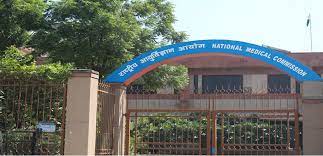
NEW DELHI — In a significant move to address India’s chronic shortage of healthcare professionals, the National Medical Commission (NMC) has approved 265 new medical college applications over the last five academic years. This expansion, which saw 43 new institutions cleared for the 2025-26 session alone, reflects a strategic government push to decentralize medical education and bolster the nation’s health infrastructure.
The data, presented to Parliament by Union Minister of State for Health Anupriya Patel, reveals that out of 443 applications received since 2021, approximately 60% successfully cleared the NMC’s rigorous scrutiny process. While the influx of new seats promises more opportunities for students, public health experts warn that the rapid scaling of medical education must not come at the cost of clinical excellence or faculty standards.
The Numbers Behind the Growth
The trajectory of approvals illustrates a steady upward trend in the government’s commitment to expanding the medical seat matrix. According to the figures tabled in Parliament, the approval breakdown over the last five years is as follows:
-
2021-22: 48 approvals from 82 applications
-
2022-23: 46 approvals from 83 applications
-
2023-24: 54 approvals from 86 applications
-
2024-25: 74 approvals from 112 applications
-
2025-26: 43 approvals from 80 applications
For the current 2025-26 academic cycle, the establishment of these 43 colleges has injected 11,682 new MBBS seats and 8,967 postgraduate (PG) seats into the national pool. This expansion is largely governed by the Establishment of Medical Institutions, Assessment and Rating Regulations, 2023, which sets the baseline for the infrastructure, equipment, and hospital facilities required to host medical students.
Closing the Gap in “Aspirational Districts”
A central pillar of this expansion is the “Centrally Sponsored Scheme,” which aims to establish medical colleges attached to existing district or referral hospitals. With a total outlay of approximately ₹41,332 crore, the initiative targets “underserved and aspirational districts”—areas that have historically lacked specialized medical care and educational facilities.
“The goal is not just to produce more doctors, but to ensure they are available where they are needed most,” the Ministry of Health noted in a recent briefing. By placing colleges in rural hubs, the government hopes to encourage graduates to remain in those regions, eventually correcting the urban-rural imbalance in India’s doctor-to-patient ratio.
The Quality Quandary: Expert Perspectives
While the increase in seats is a welcome relief for the lakhs of aspirants appearing for entrance exams annually, the medical fraternity remains cautiously optimistic. The primary concern is whether the “human infrastructure”—qualified faculty and experienced mentors—is keeping pace with the “physical infrastructure” of new buildings.
A 2025 peer-reviewed review of postgraduate training in India, indexed in PubMed Central, highlighted that rapid expansion has occasionally outstripped the recruitment of qualified teaching staff. This creates a “dilution effect,” where students may have access to a classroom but lack the bedside mentorship essential for high-stakes medical training.
“Expansion without parallel faculty development is like building a high-speed rail without trained drivers,” says a specialist in medical education. “More seats do not automatically equal more capacity if the training environment is strained.”
Furthermore, research published in the journal Cureus suggests that over-reliance on increasing doctor numbers may overlook a broader need. Experts argue that a resilient healthcare system also requires a robust pipeline of nurses, allied health professionals, and support staff to function efficiently.
Challenges and Limitations
The NMC’s role as a gatekeeper is vital; however, the parliamentary data only reflects approvals. It does not account for the number of colleges that may later face penalties or lose recognition due to failing periodic inspections. Common reasons for application rejection include:
-
Deficiency in clinical material: Not enough patients in the attached hospital for students to learn from.
-
Ghost faculty: Institutions reporting staff who are not present full-time.
-
Inadequate infrastructure: Lack of advanced laboratories or library resources.
Additionally, the pressure on existing faculty to manage larger cohorts can lead to burnout, potentially degrading the quality of education for both undergraduate and postgraduate trainees.
What This Means for Students and Patients
For medical aspirants and their families, the message is clear: while there are more seats than ever before, the reputation and clinical load of a college should be primary factors in selection. A new college in an underserved area might offer modern facilities, but its clinical exposure—the variety and volume of patients—will determine a student’s proficiency.
For the general public, the surge in approvals is a long-term investment. It will take nearly a decade for the current 2025-26 cohort to complete their basic and specialized training and enter the workforce as fully qualified practitioners. In the interim, the focus must remain on ensuring that the NMC’s “quality checkpoint” remains stringent to ensure that the doctors of tomorrow are as competent as they are numerous.
Medical Disclaimer: This article is for informational purposes only and should not be considered medical advice. Always consult with qualified healthcare professionals before making any health-related decisions or changes to your treatment plan. The information presented here is based on current research and expert opinions, which may evolve as new evidence emerges.
References
-
Medical Dialogues. “NMC approved 265 of 443 medical college applications in 5 years, 43 in 2025-26: Govt tells Parliament.” Published March 31, 2026.