 0
0
 0
0
RAIPUR / NEW DELHI — The National Human Rights Commission (NHRC) of India has intervened in a growing public health crisis in Chhattisgarh, taking suo motu cognizance of reports that five people—including an 11-year-old child—succumbed to malaria within a 13-day period in the Kanker district.
On July 31, 2026, the statutory body issued a formal notice to the Chief Secretary of Chhattisgarh, demanding a comprehensive investigation and a detailed status report within two weeks. The Commission noted that if the news reports are accurate, the sudden cluster of fatalities points to potential systemic negligence and severe human rights concerns regarding access to timely healthcare.
The incident has cast a sharp spotlight on persistent vector-borne disease challenges in central India’s forested belts, raising critical questions about diagnostic accuracy in private clinics, rural health infrastructure, and the speed of emergency medical interventions during the high-transmission monsoon season.
The Tragic Cascade: Diagnostic Delays and Rapid Deterioration
The catalyst for the NHRC’s intervention was the tragic death of an 11-year-old boy on July 28, 2026. According to local media accounts, the child initially presented with high fever and chills—classic clinical markers of malaria.
When tested at a local private laboratory, the initial diagnostic test yielded a negative result. However, as the boy’s condition precipitously deteriorated, his family rushed him to a medical facility in Albelapara for specialized emergency care. Subsequent confirmatory blood tests performed at the medical center revealed he was indeed positive for malaria. Tragically, the diagnosis arrived too late; the child succumbed to complications from the infection before effective antimalarial treatment could stabilize him.
This tragic outcome was not an isolated event. Over the preceding fortnight, four other individuals in the surrounding area died under similar circumstances, signalling a localized flare-up of severe malaria.
Understanding the Malaria Hazard in Central India
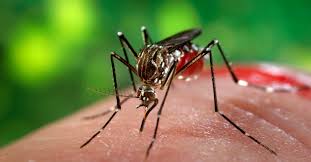
Malaria is a mosquito-borne infectious disease caused by Plasmodium parasites, transmitted to humans through the bites of infected female Anopheles mosquitoes. While Plasmodium vivax is common across India, tribal and forested districts like Kanker in Chhattisgarh frequently harbor high concentrations of Plasmodium falciparum—the strain responsible for the vast majority of severe and fatal malaria cases worldwide.
+----------------------------------------------------------------------------------+
|                              MALARIA STRAIN COMPARISON                            |
+--------------------------+-------------------------------------------------------+
| Parasite Strain          | Primary Clinical Characteristics                      |
+--------------------------+-------------------------------------------------------+
| Plasmodium vivax         | Common, debilitating fever cycles; rarely fatal       |
| Plasmodium falciparum    | Rapidly progressive; can cause cerebral malaria,      |
|                          | multi-organ failure, and death if untreated within 24h |
+--------------------------+-------------------------------------------------------+
“Plasmodium falciparum can cause parasite sequestration in microvascular beds, leading to cerebral malaria, severe anemia, acute kidney injury, or respiratory distress,” explains Dr. Ananya Mukherjee, an epidemiologist specializing in tropical vector-borne diseases (unaffiliated with the Kanker investigation). “In endemic rural zones, a delay of even 12 to 24 hours in initiating effective artemisinin-based combination therapy (ACT) can mean the difference between full recovery and multi-organ failure.”
Public health experts point to several potential points of failure when private laboratory tests yield false negatives:
-
Test Sensitivity Limitations: Rapid Diagnostic Tests (RDTs) can fail if parasite density in the bloodstream is below the detection threshold during early infection.
-
Operator Error: Improper storage of diagnostic kits in high humidity or temperature, or incorrect handling by untrained technicians, significantly compromises accuracy.
-
Prozone Effect: Extremely high parasite loads can sometimes produce false-negative results in antibody/antigen-based diagnostic cassettes.
State Health Response: Door-to-Door Screening Initiated
Following the public outrage and the NHRC’s notice, the State Health Department of Chhattisgarh mobilized field workers to contain potential further spread. Health authorities have initiated an aggressive, door-to-door malaria screening and community awareness campaign across affected villages in the Kanker district.
Under the emergency vector control protocol, Accredited Social Health Activists (ASHA) and auxiliary nurse-midwives (ANMs) are visiting households to:
-
Perform rapid blood testing for any individual presenting with fever.
-
Distribute radical treatment drugs for confirmed cases on the spot.
-
Conduct indoor residual spraying (IRS) with insecticides to kill adult mosquito vectors.
-
Check waterlogged areas for larvae and distribute long-lasting insecticidal nets (LLINs).
A senior district health official, speaking on the condition of anonymity, noted that while seasonal spikes occur during the monsoon months due to standing water, the recent cluster of deaths prompted an immediate shift from routine surveillance to containment mode.
Human Rights and Healthcare Access: Broad Implications
The NHRC’s decision to take suo motu (on its own motion) cognizance emphasizes that access to life-saving medical care and accurate diagnostics is a fundamental human right.
In rural India, primary healthcare relies heavily on a multi-tiered infrastructure: community health centers, primary health centers (PHCs), and private practitioners. When rural residents face false negatives at unregulated private labs, they often delay seeking advanced care until severe complications set in.
“This tragic cluster underscores the urgent need for strict quality assurance and regulatory oversight of private diagnostic laboratories operating in rural and peri-urban regions,” notes Dr. Rajesh Verma, a public health specialist. “A false negative malaria result doesn’t just delay care; it gives patients and families a false sense of security while a lethal infection progresses silently.”
Public health policy advocates emphasize that eradicating preventable malaria deaths requires a three-pronged approach:
-
Standardizing Rural Diagnostics: Ensuring every rural clinic uses validated, high-sensitivity diagnostic kits with trained personnel.
-
Community Health Literacy: Educating families to seek immediate re-testing at a government facility if fever symptoms persist despite an initial negative test.
-
Immediate Referral Pathways: Establishing clear protocol pipelines for transporting febrile patients from primary health units to tertiary hospitals equipped with intensive care facilities.
As the Chhattisgarh government prepares its formal two-week status report for the NHRC, medical officials and human rights advocates alike will be watching closely to see what structural reforms are implemented to ensure that no more lives are lost to a disease that is entirely preventable and curable.
Reference Section
Government & Statutory Notifications
-
National Human Rights Commission (NHRC), India: Press Release on Suo Motu Cognizance (Posted on PIB Delhi, July 31, 2026, 7:46 PM). Case regarding Kanker District, Chhattisgarh.
Medical Disclaimer: This article is for informational purposes only and should not be considered medical advice. Always consult with qualified healthcare professionals before making any health-related decisions or changes to your treatment plan. The information presented here is based on current research and expert opinions, which may evolve as new evidence emerges.