 0
0
 0
0
Unprecedented Speed Surpasses Historical Benchmarks
The newly published figures officially surpass the DRC’s previous record outbreak of 2018–2020, which recorded 3,470 cases. The only epidemic on record larger than the present crisis remains the 2014–2016 West Africa outbreak across Guinea, Liberia, and Sierra Leone, which logged 28,616 cases and 11,310 deaths.
What distinguishes the 2026 emergency from prior public health crises is the sheer speed with which the virus has disseminated. Officials from the Africa Centres for Disease Control and Prevention (Africa CDC) noted that in less than three months, the current outbreak has produced five times as many fatalities as earlier Congolese outbreaks recorded at equivalent stages. Senior health authorities now designate this emergency as the fastest-growing Ebola epidemic on record.
“The rate of escalation we are witnessing represents a formidable challenge to global public health response mechanisms,” observed Dr. Richard Hatchett, Chief Executive Officer at the Coalition for Epidemic Preparedness Innovations (CEPI). “With cases rising at a worrying speed, the epidemic is fast becoming a major humanitarian crisis.”
The Rare Strain Behind the Surge: Understanding Bundibugyo
Unlike most previous major Ebola epidemics in Central Africa, which were driven by the well-studied Zaire ebolavirus strain, the 2026 emergency is caused by the Bundibugyo ebolavirus. First identified during a 2007 outbreak in the Bundibugyo District of Uganda, this species has historically caused smaller, isolated disease clusters. The current outbreak is by far the largest ever recorded for the Bundibugyo strain.
  +------------------------------------------------------------------+
  |                   COMPARATIVE OUTBREAK METRICS                    |
  +-----------------------+--------------------+---------------------+
  | Epidemic Outbreak     | Total Cases        | Primary Virus Strain|
  +-----------------------+--------------------+---------------------+
  | West Africa (2014-16) | 28,616 cases       | Zaire ebolavirus    |
  | DRC (2026 Present)    | 3,532 cases        | Bundibugyo strain   |
  | DRC Kivu (2018-20)    | 3,470 cases        | Zaire ebolavirus    |
  +-----------------------+--------------------+---------------------+
Epidemiologists point to several intersecting factors fueling this rapid dissemination:
-
-
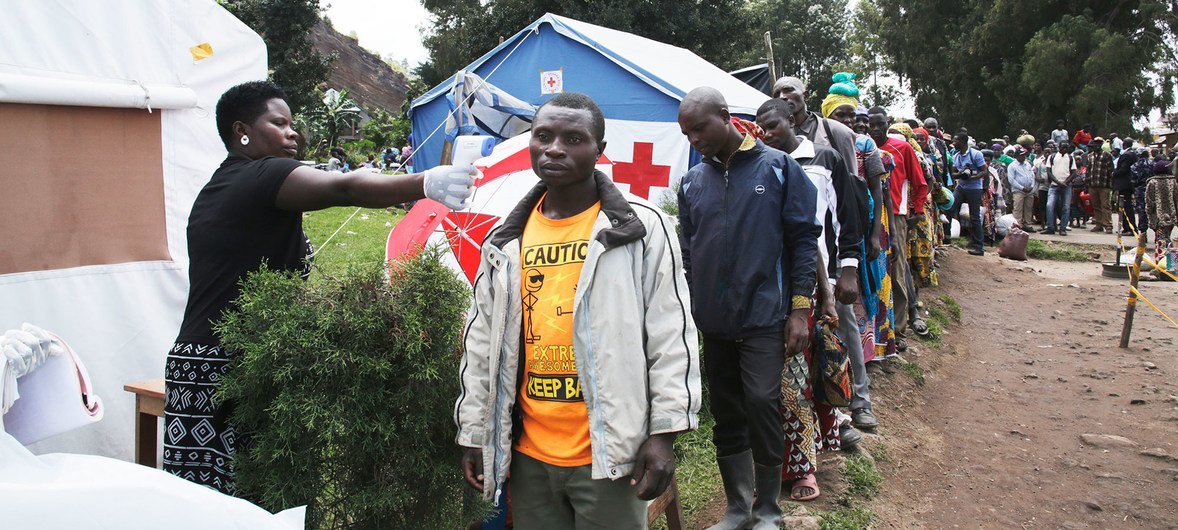
Population Mobility and Urban Density: Earlier outbreaks occurred predominantly in isolated rural villages. In contrast, current transmission chains run through commercial hubs and densely populated mining communities in Ituri and North Kivu provinces.
-
Delayed Early Detection: Retrospective analyses indicate that initial infections likely occurred weeks before formal laboratory identification, allowing undetected chains of transmission to expand.
-
Health System Pressure and Conflict: Ongoing regional security challenges, population displacement, and damaged health infrastructure in eastern DRC hinder contact tracing and systematic isolation protocols.
-
Community Hesitancy: Misinformation and distrust stemming from past medical interventions continue to create resistance toward health workers during contact tracing and safe burial protocols.
-
Vaccine Gaps and Clinical Response
The presence of the Bundibugyo species poses a distinct clinical hurdle. Highly effective vaccines—such as Ervebo—and monoclonal antibody therapies were specifically designed and approved to fight the Zaire ebolavirus. However, there is currently no licensed vaccine or specific targeted therapy approved for Bundibugyo ebolavirus.
To bridge this critical therapeutic gap, the World Health Organization (WHO) and regional partners have launched scientific trials to evaluate experimental candidates under emergency protocols. CEPI recently announced an $8.5 million partnership to accelerate clinical-grade production of a recombinant vesicular stomatitis virus (rVSV) candidate tailored specifically for the Bundibugyo virus.
In parallel, international security and public health agencies are bolstering border containment. The U.S. Centers for Disease Control and Prevention (CDC) and Department of Homeland Security activated enhanced travel screening and routing measures for passengers arriving from affected regions. Meanwhile, neighboring countries like Uganda—which briefly reported imported cases earlier in the summer before declaring its outbreak contained—remain on high alert.
Public Health Implications and Practical Guidance
For the global community outside affected zones, health experts emphasize that the immediate risk of contracting Ebola remains extremely low due to how the virus spreads. Unlike respiratory pathogens such as influenza or SARS-CoV-2, Ebola is not transmitted through casual airborne contact; it requires direct physical contact with blood, secretions, organs, or other bodily fluids of an infected individual or contaminated surface.
Essential Guidelines for Travelers and Residents
Health authorities advise anyone traveling to or residing near affected provinces to adhere to fundamental safety principles:
-
Avoid Direct Contact: Do not touch body fluids, clinical equipment, or deceased individuals suspected of having Ebola.
-
Wildlife Precautions: Avoid handling or consuming bushmeat, particularly fruit bats, non-human primates, or forest animals found dead.
-
Strict Hand Hygiene: Regularly wash hands with soap and water or alcohol-based hand rub.
-
Prompt Symptom Monitoring: If returning from an affected region, monitor for symptoms—including sudden fever, unexplained fatigue, muscle pain, headache, sore throat, vomiting, or abnormal bleeding—for 21 days, and seek immediate medical isolation if symptoms appear.
Study Caveats and Evolving Data
Public health epidemiologists note that reported metrics carry inherent uncertainties. Surveillance efforts continue to expand into remote areas, meaning actual infection counts may exceed official totals due to unrecorded cases. Furthermore, fatality rates can fluctuate as case definitions are refined and additional hospital outcomes are tracked. Ongoing genomic sequencing is also required to confirm that all regional clusters stem exclusively from the Bundibugyo strain.
Medical Disclaimer: This article is for informational purposes only and should not be considered medical advice. Always consult with qualified healthcare professionals before making any health-related decisions or changes to your treatment plan. The information presented here is based on current research and expert opinions, which may evolve as new evidence emerges.
References
-
DRC Ministry of Public Health / Government Data (July 31, 2026). Ebola Virus Disease Epidemiological Update: 3,532 confirmed cases, 1,556 deaths, 44.1% case fatality rate.