 0
0
 0
0
GENEVA / TORONTO — As Central Africa battles the largest and most complex outbreak of Bundibugyo Ebola virus disease in history, biotechnology firm Moderna has officially initiated its first Phase 1 human clinical trial for an experimental vaccine targeting the rare and deadly strain.
The trial clearance by Health Canada marks a major scientific milestone, coming at a critical juncture. The outbreak, centered in the Democratic Republic of the Congo (DRC) with persistent spillover risks to neighboring nations, has reached unprecedented proportions, leaving public health authorities racing against a virus for which no licensed vaccine currently exists.
Escalating Crisis in Central Africa
According to situational reports from the World Health Organization (WHO), the ongoing outbreak in the DRC had surged to 3,605 confirmed cases and 1,587 deaths, representing a severe crude case fatality ratio of approximately 44%. Public health experts confirm this is the largest Ebola outbreak ever documented within the country and the second-largest globally on record.
The rapid geographic expansion has complicated control efforts significantly. The virus has spread across five provinces and 49 health zones in the DRC. Epidemiologists note that the current crisis is moving substantially faster than previous filovirus outbreaks, exacerbated by deep-seated regional challenges.
“Containing an outbreak of this scale in an area affected by active conflict, mass population displacement, and fragile healthcare infrastructure presents immense operational hurdles,” stated Dr. Babatunde Olowokure, a regional infectious disease specialist not involved in the trial. “Traditional public health levers—contact tracing, swift isolation, and safe burials—are vital, but without strain-specific medical countermeasures, the strain on local public health systems remains immense.”
Inside the Trial: How the mRNA Candidate Works
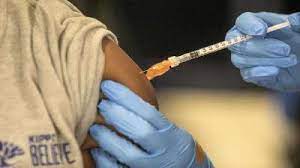
The experimental vaccine, designated mRNA-1469, utilizes the proprietary messenger RNA (mRNA) platform previously deployed in Moderna’s COVID-19 vaccines. Rather than introducing a weakened or inactivated virus, mRNA vaccines instruct human cells to temporarily produce a harmless viral protein that prompts the immune system to build protective antibodies.
Clearance by Health Canada allows investigators to begin dosing approximately 80 healthy adult volunteers across three Canadian research sites.
Phase 1 Clinical Trial Structure (mRNA-1469)
├── Cohort: ~80 healthy adult volunteers
├── Location: 3 trial sites in Canada
├── Primary Goals:
│   ├── Safety profile assessment
│   ├── Tolerability monitoring
│   └── Immune response (immunogenicity) evaluation
└── Regulatory Status: Cleared by Health Canada
Health experts stress the precise nature of Phase 1 trials to manage public expectations.
“It is essential for the public to understand what a Phase 1 trial accomplishes,” explained Dr. Clara Montgomery, an independent vaccine researcher and immunologist. “This initial phase is not designed to prove real-world efficacy or prevent disease in an outbreak zone. It answers two foundational questions: Is the candidate safe for human administration? and Does it elicit a measurable immune response?“
Proving true protection will require subsequent Phase 2 and Phase 3 trials involving significantly larger patient populations and testing in regions with active viral transmission.
Why Strain Specificity Matters
The Ebola virus family comprises several distinct species, the most prominent being the Zaire and Bundibugyo viruses. While medical science achieved a major breakthrough with the approval of Ervebo—a highly effective vaccine targeting the Zaire strain—that vaccine offers no cross-protection against the Bundibugyo species.
| Ebola Virus Strain | Primary Outbreak History | Existing Approved Vaccines | Approved Targeted Therapeutics |
| Zaire ebolavirus | 2014–2016 West Africa; 2018–2020 DRC | Ervebo, Zabdeno/Mvabea | Inmazeb, Ebanga |
| Bundibugyo ebolavirus | 2007 Uganda; 2012 DRC; Present DRC (3,600+ cases) | None (mRNA-1469 in Phase 1) | None (Supportive care only) |
Bundibugyo virus disease was first identified in 2007 during an outbreak in the Bundibugyo district of western Uganda, which resulted in 149 suspected cases and 37 deaths. A smaller cluster emerged in the DRC in 2012. The current strain presents symptoms typical of filovirus infections: initial fever, intense fatigue, muscle pain, and headache, often progressing to vomiting, diarrhea, and severe systemic complications.
Because early symptoms mirror endemic illnesses like malaria and typhoid, early clinical diagnosis remains extremely difficult without rapid laboratory PCR testing.
Public Health Implications and Practical Realities
While the clinical trial represents a long-term triumph for pandemic preparedness, public health officials emphasize that it offers no immediate relief for communities currently facing the virus in Central Africa.
The U.S. Centers for Disease Control and Prevention (CDC) notes that while the risk to the general public outside the affected region remains low, the epidemiological situation demands rigorous global surveillance. The CDC highlights that patient management for Bundibugyo Ebola relies entirely on supportive clinical care—such as oral and intravenous rehydration, electrolyte management, and treating secondary infections—as no specific antiviral treatments have been approved for this species.
Regulatory review, full-scale clinical evaluation, and manufacturing scale-up for mRNA-1469 will realistically take months to years before widespread deployment is possible. Consequently, containment in Central Africa must continue to rely on time-tested public health measures:
-
Rigorous Community Surveillance: Identifying suspected cases early through local health networks.
-
Contact Tracing: Tracking and monitoring individuals exposed to confirmed cases for the 21-day incubation window.
-
Infection Prevention & Control: Safeguarding health workers with personal protective equipment (PPE).
-
Dignified & Safe Burials: Preventing transmission from deceased individuals, whose bodily fluids harbor high viral loads.
Limitations and Study Cautions
Scientists and medical journalists point out several crucial caveats regarding the current situation:
-
Trial Scale: Small Phase 1 safety data cannot predict real-world clinical efficacy or guarantee success in later-stage human trials.
-
Fluid Dynamics: Outbreak data in conflict-affected health zones is subject to rapid revision as reporting and laboratory capacity improve.
-
Cross-Reactivity Limitations: Monovalent mRNA vaccines for Bundibugyo will not protect against other filoviruses, requiring clear diagnostic confirmation during deployment strategies.
Despite these limitations, the rapid development and clinical testing of an mRNA candidate for a neglected pathogen underscores how modern vaccine platforms can be adapted to emerging global health threats.
Medical Disclaimer: This article is for informational purposes only and should not be considered medical advice. Always consult with qualified healthcare professionals before making any health-related decisions or changes to your treatment plan. The information presented here is based on current research and expert opinions, which may evolve as new evidence emerges.
References
-
Reuters. “Moderna begins first human trial of Bundibugyo Ebola vaccine.” Healthcare & Pharmaceuticals Report, Aug. 4, 2026. Reuters Report