 0
0
 0
0
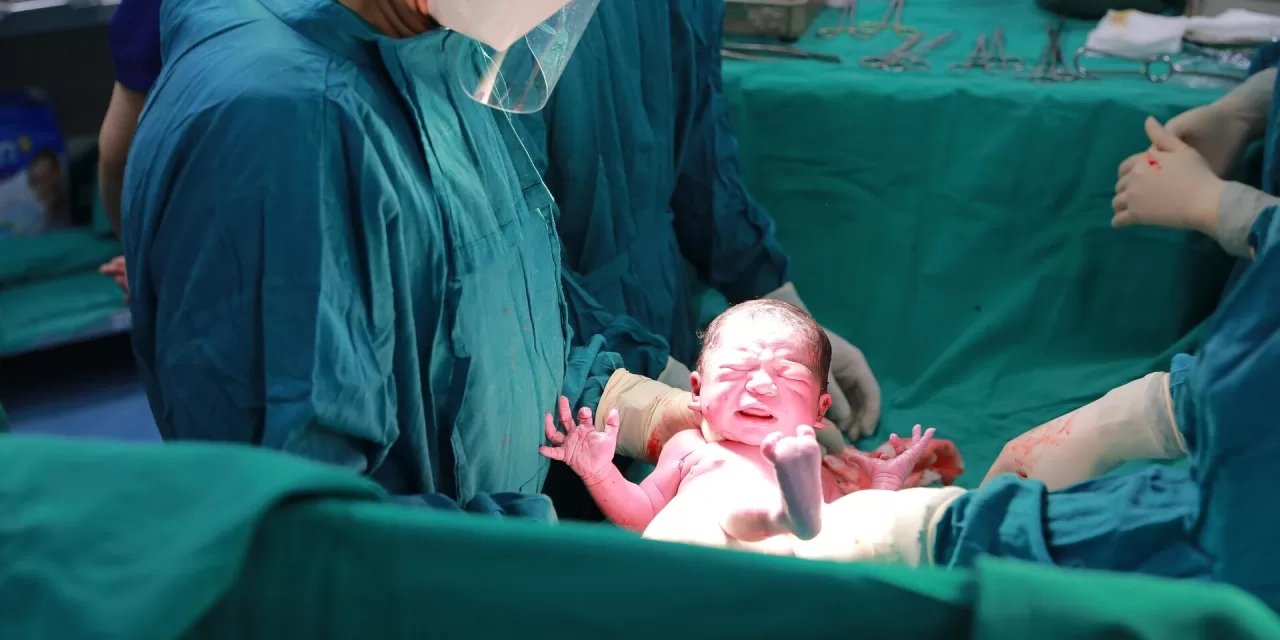
NEW DELHI — Nearly 27 out of every 100 births in India now take place in an operating theater rather than a delivery room, according to the latest National Family Health Survey (NFHS) data and health ministry reports analyzed this week. Up from 17.2% in 2015–16, the rapid escalation of caesarean-section (C-section) deliveries across both rural and urban India has ignited urgent debates among public health officials, obstetricians, and patient advocates. With surgical birth rates in private healthcare settings hovering near or above 50% nationwide, health experts warn that non-medical factors—ranging from hospital financial incentives to scheduling convenience—are increasingly driving decisions in the delivery room.
The Numbers Behind the Surge: A Widening Institutional Divide
While a C-section can be a critical, lifesaving intervention during high-risk obstetric emergencies, the World Health Organization (WHO) historically benchmarked optimal population-level surgical delivery rates between 10% and 15%. Beyond this threshold, global research demonstrates that surgical intervention rarely improves maternal or neonatal mortality outcomes.
Data released in a comprehensive government-backed analysis conducted by researchers at IIT Madras and published in BMC Pregnancy and Childbirth reveals a stark disparity:
                  C-Section Rate Comparison Across Sectors

Public Hospitals   [███████] 17.2%
Private Facilities [████████████████████] 49.7%
Overall National   [███████████] 26.8%
The study highlighted that the single strongest predictor of whether a pregnant woman gives birth via surgery is not her medical risk profile, but where she gives birth. Women admitted to private facilities were nearly four times as likely to undergo a surgical delivery compared to those in public institutions, even after controlling for socio-economic background and maternal age.
Medical Neccessity vs. Non-Clinical Drivers
Public health experts acknowledge that clinical risk factors in India are indeed changing. Modern demographic trends mean more women are entering pregnancy later in life, accompanied by higher rates of pre-existing or metabolic conditions.
Key Clinical Factors Justifying Surgical Intervention:
Metabolic Health: Rising prevalence of gestational diabetes and pregnancy-induced hypertension.
Obstetric Complications: Breech presentations, placenta praevia, and multiple gestations (twins/triplets).
Previous Surgeries: Increased risk of uterine rupture during trial of labor after C-section (TOLAC).
However, senior medical professionals emphasize that clinical evolution alone cannot account for a private sector surgical rate approaching 50%.
Dr. Hrishikesh Pai, a prominent obstetrician-gynaecologist and Medical Director of Bloom IVF Group, points to systemic pressure within the healthcare infrastructure. “While advancing maternal age and lifestyle diseases justify a portion of the increase, the vast divide between public and private settings highlights non-clinical triggers,” Dr. Pai noted in recent commentary. “Financial structures that reimburse surgical procedures at higher rates than prolonged vaginal labors, fear of medico-legal litigation in unpredictable deliveries, staff scheduling convenience, and a declining comfort among younger clinicians in managing complex natural births are powerful forces shaping this trend.”
Understanding the Surgical Trade-off
A caesarean delivery is major abdominal surgery. While safe in modern operating environments, it presents a distinct risk-benefit profile compared to spontaneous vaginal birth.
| Health Parameter | Spontaneous Vaginal Delivery | Caesarean Delivery (C-Section) |
| Typical Hospital Stay | 24 – 48 hours | 3 – 5 days |
| Physical Recovery Period | 1 – 2 weeks | 6 – 8 weeks |
| Primary Surgical Risks | Perineal tearing | Heavy hemorrhage, infection, organ damage |
| Subsequent Pregnancies | Low baseline risk | Higher risk of placenta accreta & uterine rupture |
| Infant Respiratory Health | Fluid squeezed from lungs naturally | Higher initial risk of transient tachypnea |
“When surgery is clinically necessary, the benefits far outweigh the risks,” explains Dr. Sunita Verma, an independent maternal-fetal medicine specialist not involved in the IIT study. “However, when performed unnecessarily, we expose both mother and newborn to surgical risks, extended recovery periods, and complications in future pregnancies without any clinical payoff.”
Public Health Implications & Structural Solutions
The economic and operational toll of unnecessary surgical deliveries is substantial. Over-utilization of C-sections drains healthcare funds, burdens private household out-of-pocket spending, and ties up operating theaters and anesthesia personnel that could be deployed for emergency medical care.
To address the imbalance, health policy organizations recommend structural reforms:
-
Standardized Auditing (The Robson Classification System): The WHO advocates grouping births into 10 standardized categories based on pregnancy history, gestational age, and fetal position. Tracking C-sections within these specific categories—rather than relying on overall hospital rates—allows auditors to spot where unnecessary surgeries are occurring.
-
Equalizing Provider Reimbursement: Aligning financial incentives so clinicians and hospitals earn similar fees for long, intensive vaginal labor support as they do for quick surgical procedures.
-
Midwifery-Led Care Models: Strengthening professional midwifery networks to assist low-risk pregnancies, leaving obstetric surgeons focused primarily on high-risk cases.
-
Mandatory Second Opinions: Requiring a peer-review step for non-emergency, planned C-sections in non-critical situations.
What Patients Should Ask
For expectant mothers and their families, navigating birth choices requires clear, open communication with healthcare providers. Experts advise asking key questions during third-trimester prenatal visits:
-
What specific medical condition makes a C-section necessary in my case?
-
Is this intervention urgent, or can we safely monitor the labor for longer?
-
Are there alternative non-surgical approaches we can attempt first?
-
Does this facility track its C-section rates using the Robson Classification?
An informed, necessary C-section is a life-saving medical advancement. The challenge facing India’s maternity healthcare ecosystem is ensuring that surgical intervention remains a vital tool for medical emergencies—not a default standard of care.
References
-
India Today Health: India’s C-section rate is rising fast; are too many births ending in surgery? Published August 4, 2026. Featuring expert analysis and commentary from Dr. Hrishikesh Pai, Medical Director, Bloom IVF Group.
Medical Disclaimer: This article is for informational purposes only and should not be considered medical advice. Always consult with qualified healthcare professionals before making any health-related decisions or changes to your treatment plan. The information presented here is based on current research and expert opinions, which may evolve as new evidence emerges.