 0
0
 0
0
NEW DELHI — In a move that could redefine affordable healthcare for millions, the Indian government has announced a massive expansion of its flagship generic medicine program. As of March 2026, the Pradhan Mantri Bhartiya Janaushadhi Pariyojana (PMBJP) has established over 18,600 dedicated outlets, with a target to reach 25,000 centers by early 2027.
The initiative, designed to provide high-quality pharmaceutical care at a fraction of the cost of branded alternatives, has already saved Indian citizens an estimated ₹40,000 crore (approximately $4.8 billion USD) in out-of-pocket expenses over the last decade.
Minister of State for Chemicals and Fertilizers, Smt. Anupriya Patel, confirmed the expansion in a written reply to the Lok Sabha today, highlighting the program’s role in democratizing access to essential life-saving drugs.
Closing the Gap: High Quality at Low Cost
For many families, a chronic diagnosis—such as diabetes or hypertension—can lead to financial ruin. In India, “Out-of-Pocket Expenditure” (OOPE) accounts for a significant portion of total health spending, with medicines being the primary driver.
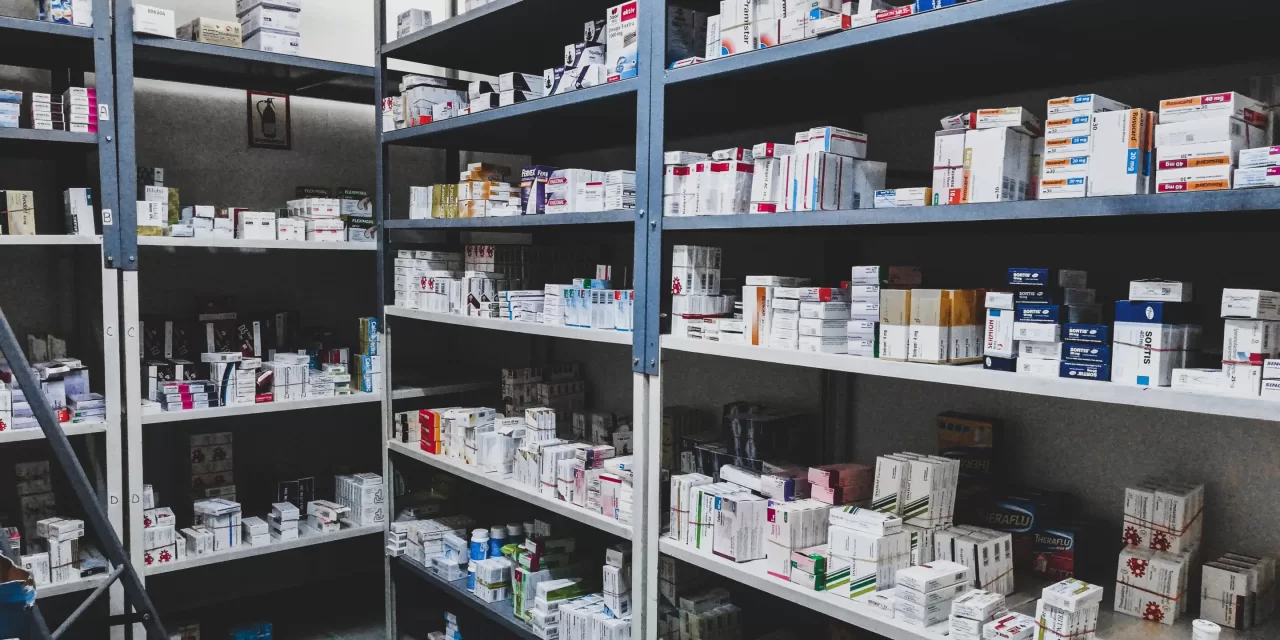
The Jan Aushadhi Kendras (JAKs) function as specialized pharmacies that sell unbranded generic medicines. According to the Pharmaceuticals and Medical Devices Bureau of India (PMBI), these medicines are priced 50% to 80% lower than their branded counterparts.
“The expansion isn’t just about numbers; it’s about geographic equity,” says Dr. Aruna Sharma, a public health policy consultant not involved in the government report. “By targeting 25,000 centers, the government is moving into ‘pharmacy deserts’—rural and semi-urban areas where people previously had to travel miles or pay exorbitant prices for basic antibiotics or cardiac medications.”
The Incentive Structure
To ensure the sustainability of these centers, the government has introduced a tiered incentive model for JAK owners:
-
Monthly Rebates: Owners receive 10% of monthly purchases back as an incentive (capped at ₹10,000).
-
Inventory Bonuses: An additional ₹10,000 per month is available for maintaining stocks of the 200 most high-demand products.
-
Social Equity Grants: A one-time incentive of ₹2 lakh is provided for centers opened by women, ex-servicemen, or those in “Aspirational Districts” (backward areas) and Himalayan territories.
Addressing the “Quality Myth”
The biggest hurdle for generic medicine adoption globally is the perception that “cheaper means inferior.” To combat this, the PMBJP has implemented a rigorous “triple-check” quality protocol:
-
Manufacturing Standards: Medicines are only sourced from plants certified as WHO-Good Manufacturing Practices (GMP) compliant.
-
Universal Pre-testing: Unlike some commercial supply chains that use random sampling, the PMBI conducts 100% pre-testing. Every single batch of medicine is sent to a warehouse, sampled anonymously, and tested before it ever reaches a store shelf.
-
Accredited Labs: Testing is restricted to laboratories accredited by the National Accreditation Board for Testing and Calibration Laboratories (NABL), ensuring the results meet international scientific standards.
“Generic medicines are bioequivalent to branded ones, meaning they contain the same active ingredients and work the same way in the body,” explains Rajesh Kumar, a veteran pharmacist. “When the government guarantees the testing process, it builds the trust necessary for patients to make the switch.”
Public Health Implications
The scale of the PMBJP expansion has significant implications for national health outcomes. When medicines are affordable, medication adherence—the degree to which a patient correctly follows medical advice—typically improves.
“We often see ‘cost-related non-adherence’ in clinical practice,” says Dr. Sharma. “A patient might take their blood pressure pill every other day to make the pack last longer. When the price drops by 80%, they are far more likely to take the full course, which prevents complications like strokes or kidney failure.”
However, some medical professionals urge caution. While the expansion is a win for affordability, experts note that the success of the program depends on the continuous availability of the 1,800+ drugs and 280+ surgical items listed in the Jan Aushadhi basket. Supply chain disruptions can lead to “stock-outs,” forcing vulnerable patients back to expensive branded options.
Limitations and Counterarguments
Despite the success, the program faces challenges. Critics point out that:
-
Prescription Habits: Many doctors still prescribe medicines by brand names rather than generic names, despite guidelines from the National Medical Commission (NMC).
-
Limited Basket: While the list of available drugs is growing, some specialized oncology (cancer) and rare disease medications are not yet covered by the scheme.
-
Rural Connectivity: In remote Himalayan regions, maintaining the “cold chain” for temperature-sensitive medicines like insulin remains a logistical hurdle.
What This Means for You
For the average consumer, the expansion of Jan Aushadhi Kendras offers a clear path to reducing household expenses. Health experts recommend the following steps for patients:
-
Ask for Generics: Request your healthcare provider to write prescriptions using the pharmacological (generic) name rather than a brand name.
-
Locate a Center: Use the official “Janaushadhi Sugam” mobile app to find the nearest JAK and check the real-time availability of your medicines.
-
Verify the Logo: Ensure you are purchasing from an authorized Kendra to benefit from the government-regulated pricing and quality assurance.
As India marches toward its goal of 25,000 centers by 2027, the shift from “healthcare as a luxury” to “healthcare as a right” becomes a more tangible reality for millions.
Medical Disclaimer: This article is for informational purposes only and should not be considered medical advice. Always consult with qualified healthcare professionals before making any health-related decisions or changes to your treatment plan. The information presented here is based on current research and expert opinions, which may evolve as new evidence emerges.
References and Sources
-
Government Data: Press Information Bureau (PIB) Delhi, Release ID: 20 MAR 2026. “Expansion of PMBJKs to Reduce Healthcare Costs.”