 0
0
 0
0
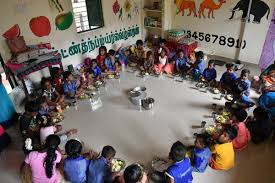
NEW DELHI — In a massive push to eradicate malnutrition and enhance early childhood development, the Ministry of Women and Child Development announced on Monday that 14.03 lakh Anganwadi Centres (AWCs) are now fully operational across India. This infrastructure rollout, part of the ambitious Mission Saksham Anganwadi and Poshan 2.0, currently serves approximately 8.98 crore registered beneficiaries, signaling a paradigm shift in how the nation tracks the health of its youngest citizens.
Central to this expansion is the ‘Poshan Tracker,’ a digital powerhouse application providing near real-time monitoring of nutritional indicators. By moving away from manual record-keeping, the government aims to provide a transparent, data-driven safety net for children from birth to six years, as well as pregnant women and lactating mothers.
A Data-Driven War on Malnutrition
For decades, tracking the nutritional status of millions of children across India’s diverse geography was a logistical nightmare. The Poshan Tracker changes the landscape by allowing Anganwadi Workers (AWWs) to input data on growth monitoring, delivery of supplementary nutrition, and immunization directly into a centralized system.
According to the latest data released by the Ministry on March 23, 2026, the application does more than just harvest data; it serves as a frontline educational tool. The app features counseling videos focused on “key behaviors,” including:
-
Birth preparedness and safe delivery
-
Optimal breastfeeding practices
-
Complementary feeding (introducing solids at six months)
-
Post-natal care for mothers
“The transition to a digital-first approach via the Poshan Tracker is a milestone for public health surveillance,” says Dr. Aradhana Gupta, a public health policy consultant not involved in the government report. “When you have real-time data, you can identify ‘hotspots’ of malnutrition and intervene within weeks rather than years. It moves us from reactive care to proactive prevention.”
Beyond Food: The “Poshan Bhi Padhai Bhi” Initiative
Mission Poshan 2.0 is evolving to treat nutrition and education as two sides of the same coin. Recognizing that the first 1,000 days of a child’s life are critical for brain development, the government has introduced two new curriculum frameworks:
-
Navchetana: A national framework for early childhood stimulation for children aged 0–3.
-
Aadharshila: A curriculum for early childhood care and education (ECCE) for children aged 3–6.
To implement this, a “cascading training model” dubbed Poshan Bhi Padhai Bhi (PBPB) has been institutionalized. As of mid-March 2026, over 10.35 lakh Anganwadi Workers have undergone rigorous training to become not just nutrition providers, but early childhood educators.
Training by the Numbers
| Group | Number Trained (Round 1) |
| State Level Master Trainers (SLMTs) | 41,645 |
| Anganwadi Workers (AWWs) | 10,35,949 |
Community Mobilization: The Power of ‘Jan Andolans’
Health experts have long maintained that providing food is insufficient if cultural habits do not change. To address this, Mission Poshan 2.0 relies heavily on Jan Andolans (People’s Movements). Since 2018, the country has witnessed over 150 crore community activities aimed at behavioral change.
These include Community Based Events (CBEs), such as Godh Bharai (celebrating pregnancy) and Suposhan Diwas (nutrition days). Every Anganwadi worker is now mandated to conduct at least two such events monthly to engage local families. Since 2018, nearly 9.8 crore such events have been recorded, creating a localized culture of health awareness.
The Role of Self-Help Groups (SHGs)
While Anganwadi Centres focus on the direct delivery of health services, the Deendayal Antyodaya Yojana-National Rural Livelihoods Mission (DAY-NRLM) is leveraging its network of 90.91 lakh Self-Help Groups to support the cause.
While SHGs primarily focus on financial empowerment and the “Lakhpati” initiative (aiming to help women earn at least ₹1 lakh annually), they are increasingly being used as a secondary channel for health education. By integrating nutrition and sanitation discussions into SHG meetings, the Ministry of Rural Development hopes to reduce “out-of-pocket” health expenditures for poor rural families.
Accountability and Challenges
Despite the impressive scale, the mission faces scrutiny regarding data accuracy and infrastructure quality. NITI Aayog’s third-party evaluations in 2020 and 2025 found the mission’s relevance to be “satisfactory,” but independent researchers often point to the “digital divide” as a potential hurdle.
“While the Poshan Tracker is revolutionary, we must ensure that Anganwadi workers in remote areas have consistent internet connectivity and functional hardware,” notes Dr. Gupta. “Furthermore, while the quantity of operational centres is high, the quality of the supplementary nutrition—ensuring it is protein-rich and culturally acceptable—remains a continuous challenge.”
The Ministry has responded by issuing “Streamlining Guidelines” to ensure quality assurance and transparency in procurement, including the integration of AYUSH (traditional medicine) concepts to bolster immunity.
What This Means for You
For the average citizen, this expansion signifies a robust support system for maternal and child health that is free of cost. If you are a parent or caregiver:
-
Registration: Ensure children under six and pregnant women are registered at the local AWC to access the Poshan Tracker benefits.
-
Education: Take advantage of the Navchetana and Aadharshila frameworks to support early cognitive development at home.
-
Participation: Attend Community Based Events to stay updated on the latest nutritional guidelines and government schemes.
As India moves toward its goals for 2030, the success of Mission Poshan 2.0 will likely be the deciding factor in whether the nation can convert its “demographic dividend” into a healthy, productive workforce.
References
-
Ministry of Women and Child Development (2026). Status Report on Mission Saksham Anganwadi and Poshan 2.0. PIB Delhi.
Medical Disclaimer: This article is for informational purposes only and should not be considered medical advice. Always consult with qualified healthcare professionals before making any health-related decisions or changes to your treatment plan. The information presented here is based on current research and expert opinions, which may evolve as new evidence emerges.