 0
0
 0
0
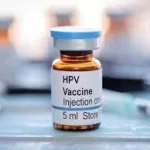
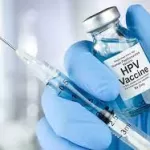
NEW DELHI — In a major step forward for global public health, India’s ambitious nationwide campaign against cervical cancer has reached a critical milestone. As of July 15, 2026, a total of 5,210,302 girls aged 14 years have received the Human Papillomavirus (HPV) vaccine under the free public immunization initiative.
The Minister of State for Health and Family Welfare, Smt. Anupriya Patel, shared the updated figures in a written reply to the Rajya Sabha on July 21, 2026. The progress reflects the government’s efforts to protect young women from a disease that accounts for nearly a quarter of all global cervical cancer deaths.
Launched on February 28, 2026, the free national vaccination drive targets an estimated cohort of 12 million 14-year-old girls across all 36 States and Union Territories. By integrating primary prevention with early screening and localized cancer care, public health authorities are working to eliminate one of the country’s most pervasive health threats.
Tackling a National Health Burden
Cervical cancer ranks as the second most frequent cancer among women in India, claiming roughly 80,000 lives each year. Worldwide, persistent infection with high-risk oncogenic strains of HPV—primarily strains 16 and 18—is responsible for more than 95% of cervical cancer cases.
“India bears a heavy burden of cervical cancer, but this burden is almost entirely preventable,” notes Dr. Sunita Rao, a senior gynecologic oncologist at the All India Institute of Medical Sciences (AIIMS), New Delhi, who is not affiliated with the government program. “Administering the HPV vaccine to young girls before potential exposure to the virus triggers a robust immune response that protects them into adulthood. Achieving over 5 million vaccinations in under five months is a promising foundation.”
The immunization drive provides the single-dose HPV vaccine free of charge at primary health centers and government institutions nationwide. The strategy aligns with updated recommendations from the World Health Organization (WHO), which confirm that a single-dose schedule offers comparable efficacy to multi-dose regimens for young adolescent females. This single-dose model streamlines supply chain logistics, reduces cold-chain constraints, and lowers healthcare costs.
Infrastructure, Staffing, and Digital Tracking
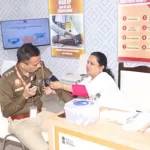
To support the massive operational rollout, public health officials have completed comprehensive, specialized training for medical and paramedical personnel across all 36 States and Union Territories. Healthcare providers at every level of government infrastructure—from local Ayushman Arogya Mandirs (AAMs) and Community Health Centers (CHCs) to District Hospitals (DHs) and Government Medical Colleges (GMCs)—are now equipped to manage administration, safety monitoring, and record-keeping.
Real-time progress is tracked through the U-WIN portal, the Ministry of Health and Family Welfare’s digital vaccination platform. Built on the technological framework of the COVID-19 pandemic’s Co-WIN system, U-WIN allows healthcare workers to register beneficiaries, record vaccinations, issue digital certificates, and monitor national coverage data instantly.
A Multi-Faceted Strategy: Beyond Immunization
While vaccination offers essential primary prevention, public health leaders emphasize that vaccines alone cannot eliminate cervical cancer in the immediate term. The Ministry of Health has established a comprehensive strategy built on three key pillars:
-
Primary Prevention: Free HPV vaccination for adolescent girls.
-
Secondary Prevention & Early Detection: Standardized screening using Visual Inspection with Acetic Acid (VIA) and HPV testing at frontline Ayushman Arogya Mandirs (primary healthcare centers).
-
Tertiary Care & Treatment: Expanded access to chemotherapy, surgical oncology, and radiation through localized Day Care Cancer Centres (DCCCs) linked with medical colleges.
                       Cervical Cancer Control Framework

  ┌───────────────────┐    ┌───────────────────┐    ┌───────────────────┐
  │Primary Prevention │ ──>│Secondary Prevention│──>│ Tertiary Care     │
  │                   │    │                   │    │                   │
  │ • Free HPV        │    │ • VIA Screening   │    │ • Day Care Cancer │
  │   Vaccination     │    │ • Early Detection │    │   Centres         │
  │ • Target: Girls 14│    │ • Ayushman Arogya │    │ • Medical College │
  │ • Digital U-WIN   │    │   Mandirs         │    │   Networks        │
  └───────────────────┘    └───────────────────┘    └───────────────────┘
By decentralizing diagnostic and treatment infrastructure, the program aims to shorten the time between initial screening and definitive treatment—a common hurdle in rural and low-resource settings.
Overcoming Hesitancy and Addressing Limitations
Despite the initial progress, public health experts highlight ongoing challenges that require long-term attention, particularly regarding vaccine hesitancy and misinformation.
To counter safety concerns, social stigmas, and cultural hesitation—especially within rural, tribal, and urban slum communities—the government has launched targeted Information, Education, and Communication (IEC) initiatives. These campaigns deploy localized radio jingles, posters, digital myth-busting videos, and grassroots outreach via community health workers (ASHAs).
               Key Campaign Challenges & Mitigation Strategies

┌──────────────────────────────────────┬──────────────────────────────────────┐
│ Operational / Social Challenge       │ Campaign Mitigation Strategy         │
├──────────────────────────────────────┼──────────────────────────────────────┤
│ Vaccine Hesitancy & Misinformation   │ Targeted multi-language IEC content, │
│                                      │ social media, and community outreach │
├──────────────────────────────────────┼──────────────────────────────────────┤
│ Geographical Access Barriers         │ Universal rollout through local      │
│                                      │ Ayushman Arogya Mandirs (PHCs/CHCs)  │
├──────────────────────────────────────┼──────────────────────────────────────┤
│ Long-Term Immunization Tracking      │ Real-time tracking through the       │
│                                      │ digital U-WIN immunization portal    │
└──────────────────────────────────────┴──────────────────────────────────────┘
Expert Perspectives and Program Limitations
Medical epidemiologists urge cautious optimism, noting that a successful vaccination drive is only one part of a comprehensive solution.
“Reaching 5.2 million girls is a significant achievement, but we must maintain momentum to ensure no eligible adolescent is missed,” says Dr. Meera Nambiar, an independent public health consultant and former officer at the National Health Authority. “Furthermore, vaccination does not replace the need for regular screening later in life. HPV vaccines protect against the most aggressive strains, but adult women still require routine cervical screenings to catch any abnormalities early.”
Additionally, health policy experts point out that structural healthcare challenges persist in remote areas. Sustaining uniform cold-chain infrastructure across rural geographies and ensuring that women with abnormal screening results receive follow-up care remain crucial steps toward long-term success.
Practical Implications for Families and Patients
For parents, caregivers, and young women across India, the nationwide availability of the HPV vaccine simplifies access to preventative health.
-
Who is eligible? Girls aged 14 are eligible for free vaccination under the national campaign.
-
Where is it available? Vaccines are administered at public health facilities, including Ayushman Arogya Mandirs, CHCs, District Hospitals, and Medical Colleges.
-
Is screening still required? Yes. Women aged 30 and above should continue to pursue regular cervical cancer screening as recommended by healthcare providers, regardless of vaccination status.
As the campaign progresses toward its goal of reaching 12 million girls, the combination of preventive vaccination, widespread screening, and localized care provides a clear path toward reducing the burden of cervical cancer.
Reference Section
-
Government Source: Press Information Bureau (PIB) Delhi, Union Ministry of Health and Family Welfare. “Update on HPV Vaccination Programme and Cervical Cancer Prevention.” Statement by Smt. Anupriya Patel, Union Minister of State for Health and Family Welfare, Rajya Sabha. Published: July 21, 2026.
Medical Disclaimer: This article is for informational purposes only and should not be considered medical advice. Always consult with qualified healthcare professionals before making any health-related decisions or changes to your treatment plan. The information presented here is based on current research and expert opinions, which may evolve as new evidence emerges.