 0
0
 0
0
ATLANTA — The U.S. Centers for Disease Control and Prevention (CDC) escalated its emergency response posture to its highest operational level on June 25, 2026, following the steady expansion of an Ebola outbreak in Central Africa. The surge in resource allocation comes as the World Health Organization (WHO) monitors sustained transmission of the Bundibugyo virus strain across the Democratic Republic of the Congo (DRC) and into neighboring Uganda. Despite the elevated internal posture designed to bolster international tracking and domestic preparedness, federal health officials strongly emphasize that the immediate risk of transmission to the general public within the United States remains low.
The Scale of the Central African Outbreak
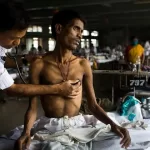
According to the latest situation updates from the WHO, the current epidemic represents a stubborn public health challenge in East-Central Africa. The outbreak is primarily clustered within the DRC’s eastern provinces—specifically Ituri, North Kivu, and South Kivu—which have historically faced complex humanitarian crises. The virus has also breached borders, leading to imported cases and secondary transmission in neighboring Uganda.
To understand the geographical impact of the virus, data compiled on June 18, 2026, outlines the documented human toll of the current wave:
| Country | Confirmed Cases | Documented Deaths | Transmission Status |
| Democratic Republic of the Congo | 896 | 232 | Widespread regional transmission |
| Uganda | 19 | 2 | Imported cases with secondary local spread |
In addition to the confirmed cases in Uganda, local health teams are currently monitoring at least one probable fatal case linked to the transmission chain. The virus has shown a troubling ability to spread among close household contacts and frontline healthcare workers who lack adequate protective equipment, prompting the heightened international alert.
Decoding the CDC’s Operational Escalation
The activation of the CDC’s highest-level response framework does not indicate that a domestic outbreak is imminent. Instead, it serves as an operational mechanism that enables the agency to streamline internal communications, rapidly deploy specialized personnel, and closely coordinate with international partners.
Public health officials emphasize that Ebola does not spread casually like respiratory viruses such as influenza or COVID-19. It requires specific pathways to move from person to person.
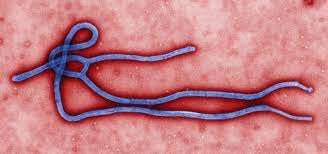
As illustrated by official public health guidelines, human-to-human transmission relies entirely on direct contact with the blood, secretions, or other bodily fluids of an individual who is actively symptomatic or has died from the disease. It can also spread through contact with objects—such as needles or medical linens—contaminated with these fluids.
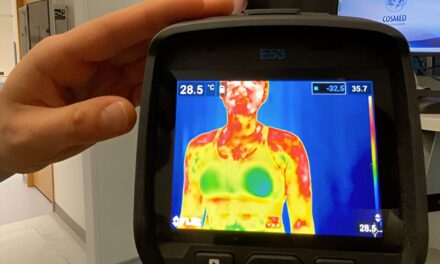
Because individuals are not contagious during the incubation period (the time between catching the virus and showing symptoms) and only begin shedding the virus after symptoms like fever, severe headache, and muscle pain emerge, standard public health screenings at international borders remain highly effective at mitigating domestic risks.
The Bundibugyo Strain: A Unique Containment Challenge
A critical factor driving the aggressive public health response is the specific type of virus causing this outbreak. The current epidemic involves the Bundibugyo virus disease, one of the distinct species within the Ebolavirus genus.
Unlike the more common Zaire ebolavirus strain—which can be countered using the U.S. Food and Drug Administration (FDA)-approved ERVEBO vaccine and specific monoclonal antibody treatments—the Bundibugyo strain currently lacks any approved vaccines or targeted antiviral therapies. Treatment options are highly species-specific, meaning the medical counter-measures developed over the last decade do not directly solve this outbreak.
Consequently, bringing the epidemic to an end relies entirely on classic, core public health strategies:
-
Active Case Finding: Deploying field teams to locate individuals showing early signs of illness.
-
Aggressive Contact Tracing: Tracking down every individual who interacted with a symptomatic person during their infectious window.
-
Infection Prevention and Control: Equipping local clinics with isolation infrastructure and personal protective equipment (PPE).
-
Safe and Dignified Burials: Preventing transmission during traditional funeral practices, which often involve close contact with the deceased.
Expert Perspectives on Ground-Level Containment
International health leaders emphasize that controlling this outbreak requires substantial local cooperation. Dr. Tedros Adhanom Ghebreyesus, Director-General of the WHO, officially designated the epidemic as a Public Health Emergency of International Concern (PHEIC) on May 16, 2026, citing the concerning scale and speed of transmission.
Dr. Anne Ancia, the WHO representative in the Democratic Republic of the Congo, noted that the virus has traveled beyond its original epicenter. She stated to reporters that the linchpin of containment rests heavily on grassroots community engagement rather than relying solely on high-tech laboratory or clinical interventions. Building community trust is vital, as fear and misinformation often cause people to delay seeking medical evaluation, unknowingly expanding the transmission chain.
Independent public health experts not directly involved in the field response echo these priorities. The consensus among epidemiologists indicates that Ebola management rests firmly on three operational pillars: early isolation, rigorous contact tracing, and strict infection control within both clinics and households. When caregivers and medical staff lack protective resources, their risk of exposure skyrockets, emphasizing the need for international logistics support to supply the region.
What This Means for Everyday Health Decisions
For the average reader, the primary takeaway is reassurance coupled with awareness. The escalation by federal health agencies represents an abundance of caution to ensure the U.S. healthcare infrastructure is fully prepared to screen, isolate, and refer any potential imported case without disrupting daily life.
However, specific groups must maintain heightened vigilance:
-
International Travelers: Individuals traveling to or returning from the affected regions in the DRC and Uganda must closely monitor their health. Official guidelines mandate strict symptom tracking for 21 days—the maximum incubation period of the virus—following departure from the outbreak zone. Any development of an unexplained fever requires immediate isolation and medical evaluation via phone before entering a clinic.
-
Healthcare Professionals: Clinicians across the country are advised to update their travel history screening protocols. Frontline workers should routinely ask patients presenting with sudden fevers about recent international travel to Central Africa to ensure rapid isolation steps can be taken if necessary.
Operational Limitations and Evolving Uncertainties
Journalistic objectivity requires acknowledging that the situation remains fluid and faces steep operational hurdles. The WHO has repeatedly warned that official case numbers likely represent a conservative estimate of the true scope of the epidemic. The affected provinces are caught in long-standing regional conflicts, characterized by severe insecurity, fragmented local health infrastructure, and massive population displacement. These factors significantly restrict the ability of epidemiological surveillance teams to safely access remote villages.
Furthermore, because experimental vaccines and therapies for the Bundibugyo strain are restricted to carefully managed clinical trial settings rather than broad deployment, health workers cannot rely on quick medical fixes. The trajectory of the outbreak will depend heavily on stabilizing local security to allow public health teams to systematically execute traditional containment strategies.
References
-
Reuters. “CDC raises response to Ebola outbreak to highest level; says risk of spread in U.S. is low.” Published June 25, 2026.
Medical Disclaimer: This article is for informational purposes only and should not be considered medical advice. Always consult with qualified healthcare professionals before making any health-related decisions or changes to your treatment plan. The information presented here is based on current research and expert opinions, which may evolve as new evidence emerges.