 0
0
 0
0
NEW DELHI – Despite a decade of advancements in antiviral therapies and vaccination programs, India continues to shoulder one of the world’s heaviest burdens of viral hepatitis. According to the World Health Organization’s (WHO) Global Hepatitis Report 2026, released last week, India is among the top 10 nations responsible for a staggering 69% of global hepatitis B deaths and 58% of hepatitis C deaths. As the 2030 deadline for the elimination of viral hepatitis as a public health threat approaches, experts warn that India—and the world—is dangerously off track, with rising mortality rates overshadowing gains in infection prevention.
A Growing Silent Epidemic
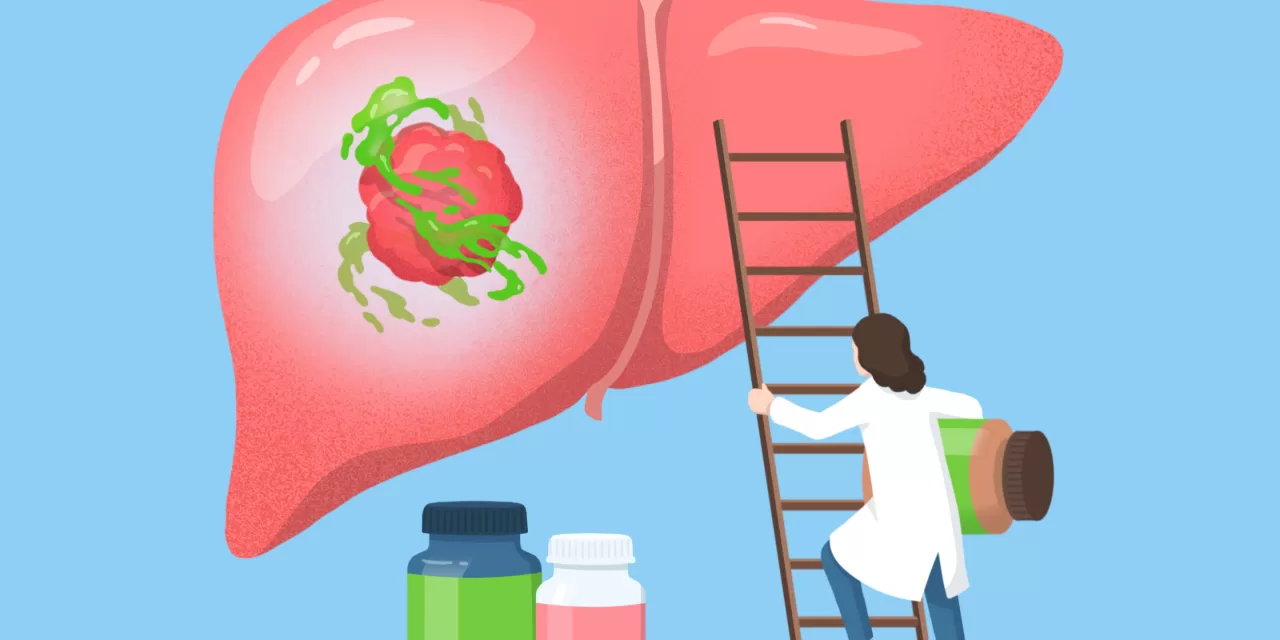
Viral hepatitis B (HBV) and C (HCV) are often referred to as “silent killers.” Much like a slow-burning fire that consumes a home from the inside before smoke is ever visible, these viruses inflame the liver over decades, quietly progressing to cirrhosis and liver cancer.
The WHO’s latest findings reveal a paradoxical trend: while new HBV infections globally dropped by 32% since 2015, deaths from the virus rose by 17% in the same period. In 2024 alone, viral hepatitis claimed 1.34 million lives worldwide—a figure that now rivals the mortality rate of tuberculosis.
In India, the scale of the crisis is immense. The country accounts for over 11% of the global hepatitis caseload, with an estimated 35.3 million infections (29.8 million HBV and 5.5 million HCV). In 2022, hepatitis caused more than 124,000 deaths across the subcontinent.
The Diagnosis Gap: A Critical Bottleneck
The primary driver of India’s high mortality rate is not a lack of medicine, but a lack of awareness. According to the report, only 2.4% of infections in India are currently diagnosed.
“Under-diagnosis is the core issue,” says Dr. Piyush Ranjan, Vice-Chairperson of the Institute of Liver Gastroenterology at Sir Ganga Ram Hospital. “While free hepatitis C treatment has expanded, routine screening and long-term treatment compliance remain weak. At the current pace, eliminating hepatitis C by 2030 looks unlikely.”
The report highlights a global disparity in care:
-
Hepatitis B: Only 5% of those living with chronic HBV worldwide receive therapy.
-
Hepatitis C: Only 20% of eligible patients have been treated, despite the existence of cures.
How Transmission Persists
The routes of infection vary by virus type, but both remain prevalent in India’s densely populated and often medically underserved regions.
-
Hepatitis B: Primarily spreads from mother to child during birth or through early childhood exposure. It can also be transmitted through unprotected sex or contaminated needles.
-
Hepatitis C: Frequently transmitted through unsafe injection practices, shared personal items like razors, or unsterilized medical equipment.
For infants infected at birth, HBV becomes chronic in 90% of cases, eventually leading to 80% of all primary liver cancers in adults.
Expert Perspectives: Beyond the Hospital Walls
While the government launched the National Viral Hepatitis Control Programme (NVHCP) in 2018 to provide free diagnostics and vaccines, implementation remains a challenge.
Dr. S.K. Sarin, Vice-Chancellor of the Institute of Liver and Biliary Sciences (ILBS), emphasizes the need for a lifecycle approach to vaccination. He urges not just universal newborn vaccination, but catch-up vaccinations for adults born before the vaccine became standard in national schedules.
Experts not involved in the WHO report, including contributors to the Indian Hepatitis Summit 2025, have noted that “loss-to-follow-up”—where a patient is diagnosed but never begins or completes treatment—is a major barrier. In rural areas of high-burden states like Uttar Pradesh and Bihar, the distance to specialized centers often prevents patients from receiving life-saving care.
Progress vs. Reality: The 2030 Goals
The WHO’s Global Health Sector Strategy aims for a 90% reduction in new infections and a 65% reduction in deaths by 2030. India has made strides:
-
Vaccination: Birth-dose coverage for HBV has improved significantly.
-
Curative Care: Direct-acting antivirals (DAAs) can now cure 95% of Hepatitis C cases within 8 to 12 weeks.
-
Integration: Screening is increasingly being integrated into pregnancy care to prevent mother-to-child transmission.
However, the “last mile” of healthcare delivery remains elusive. With only 12% of pediatric hepatitis cases currently being addressed, a generation of children remains at risk of developing chronic liver disease in adulthood.
Practical Steps for the Public
Public health officials stress that viral hepatitis is preventable and, in the case of Type C, curable. For the general population, the following steps are vital:
-
Get Tested: A simple blood test can determine your status. High-risk groups, including healthcare workers and those receiving frequent blood transfusions, should test annually.
-
Complete the Vaccine Series: The HBV vaccine is 95% effective. It requires three doses for full protection.
-
Practice Safety: Avoid sharing razors, toothbrushes, or needles. Ensure that any tattooing or piercing is done with sterilized equipment.
-
Monitor Symptoms: While often silent, signs like extreme fatigue, jaundice (yellowing of skin/eyes), and dark urine should prompt immediate medical consultation.
The Path Forward
The WHO report serves as a wake-up call for Indian policymakers. To meet the 2030 targets, the report suggests a shift toward community-based testing and mass screening campaigns, similar to the successful model used in Egypt, which recently became the first country to achieve “gold tier” status in the path to eliminating Hepatitis C.
As liver cancer becomes the third leading cause of cancer deaths globally, the cost of inaction is rising. For India, the challenge lies in transforming a robust national program into a household reality, ensuring that the “silent” epidemic is finally met with a loud, coordinated response.
Reference Section
Study Citations & Reports:
-
World Health Organization. Global Hepatitis Report 2026. Geneva: WHO; 2026. [DOI: 9789240122383]
Medical Disclaimer: This article is for informational purposes only and should not be considered medical advice. Always consult with qualified healthcare professionals before making any health-related decisions or changes to your treatment plan. The information presented here is based on current research and expert opinions, which may evolve as new evidence emerges.