 0
0
 0
0
April 30, 2026
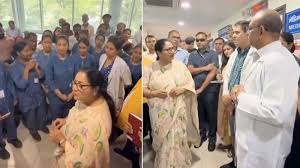
NEW DELHI — A surprise inspection by Delhi Chief Minister Rekha Gupta at Aruna Asaf Ali Government Hospital on April 23, 2026, has touched off a firestorm of controversy across the capital’s medical and political landscapes. What began as a routine check on public service delivery escalated into a viral confrontation after Gupta publicly rebuked a senior doctor, sparking a nationwide debate on the boundaries of political oversight, professional dignity, and the chronic pressures facing India’s public healthcare system.
The Incident: A “Surprise” With Lasting Echoes
During her unannounced visit to the Civil Lines facility, Chief Minister Gupta engaged directly with patients and frontline staff to assess the efficacy of OPD operations, sanitation standards, and the availability of essential medicines. The inspection quickly exposed systemic fissures: patients reported critical vaccine shortages, long queues, and overcrowding—issues that have historically burdened Delhi’s secondary-care hospitals.
The situation reached a flashpoint when Gupta encouraged junior staff to provide candid feedback regarding operational failures. As a staff member began to speak, a senior doctor allegedly intervened, attempting to redirect the conversation. The Chief Minister responded sharply, asking, “Ye kya tareeka hai aapka?” (What kind of manner is this?), and insisted the doctor wait for their turn to speak.
While Gupta’s office framed the intervention as a necessary act of “tough love” to bypass bureaucratic gatekeeping, the medical community’s response was swift and stinging.
Statistical Context: The Pressure Cooker of Delhi Healthcare
The tension at Aruna Asaf Ali Hospital does not exist in a vacuum. Despite recent improvements in national metrics, Delhi’s public hospitals remain significantly overburdened.
-
Doctor-Patient Ratios: While Union Health Ministry data from February 2026 suggests India’s estimated doctor-population ratio has improved to 1:811 (surpassing the WHO benchmark of 1:1000), these figures include AYUSH practitioners and are nationwide averages.
-
Urban Density: In high-density urban centers like North Delhi, the real-time ratio at government facilities often lags, with a single doctor frequently managing hundreds of OPD patients in a single shift.
-
Infrastructure Gaps: Recent audits have flagged that up to 15-20% of essential medicine stocks in state-run hospitals face periodic “stock-outs,” forcing low-income patients to rely on expensive private pharmacies.
Expert Perspectives: Accountability vs. Morale
The incident has polarized public health experts. Many argue that while accountability is vital, the method of enforcement determines its long-term success.
“Public reprimands can demoralize frontline workers already overburdened by massive patient loads,” says Dr. Rajesh Chawla, a senior pulmonologist at Indraprastha Apollo Hospital. “Leaders should focus on systemic fixes—like hiring more staff and fixing supply chains—rather than spotlight moments that humiliate professionals.”
Conversely, Dr. Meena Singh, a public health expert at AIIMS Delhi, notes that political “pressure tests” can be the only way to uncover hidden inefficiencies. “Inspections are vital for transparency. If a doctor interrupts a patient’s complaint, it may indicate a culture of cover-ups. However, shaming erodes the very trust needed to run a hospital. A balanced dialogue is the only sustainable way forward.”
Research supports these concerns. A 2025 systematic review published in MDPI found a strong correlation between “moral distress”—often caused by lack of institutional support or public undermining—and emotional exhaustion among healthcare professionals.
Public and Political Fallout
The viral footage has become a lightning rod on social media. Critics, including Congress leader Supriya Shrinate, labeled the exchange “sheer abuse of power,” arguing that public humiliation undermines the morale of a workforce still recovering from the psychological toll of the COVID-19 years.
Defenders of the Chief Minister, however, point to the full context of the video. They argue the doctor was actively obstructing a staff member from reporting genuine grievances. For the 20 million residents of Delhi who rely on free government care, Gupta’s directives for same-day medicine delivery and better digital integration represent a glimmer of hope for a more responsive system.
The Legal and Policy Horizon
This debate mirrors recent judicial scrutiny. The Supreme Court of India has previously emphasized the need for a “National Task Force” to ensure the safety and dignity of medical professionals. While the court has resisted granting “blanket protection” from administrative oversight, it has consistently advocated for protocols that protect doctors from undue pressure and harassment.
As Delhi approaches municipal elections, the Aruna Asaf Ali incident serves as a litmus test for governance. Can the administration enforce accountability without alienating the specialized workforce required to deliver it?
Summary of Directives Issued Post-Inspection:
-
Medicine Supply: Mandated same-day availability of prescribed drugs within hospital premises.
-
Digital Integration: Immediate overhaul of the online-offline appointment bridge to reduce physical wait times.
-
Sanitation: Appointment of third-party monitors for daily hygiene audits.
References
-
Tribune India. “‘Ye kya tareeka hai aapka’: Delhi CM Rekha Gupta raps senior doctor during inspection.” April 26, 2026.
Medical Disclaimer: This article is for informational purposes only and should not be considered medical advice. Always consult with qualified healthcare professionals before making any health-related decisions or changes to your treatment plan. The information presented here is based on current research and expert opinions, which may evolve as new evidence emerges.
Could Rekha Gupta’s Hands-On Style Finally Fix Delhi’s Hospitals?
This video provides further context on the Chief Minister’s governance style and the specific administrative reforms she is attempting to implement following her recent hospital inspections.