 0
0
 0
0
Read Time:6 Minute, 12 Second
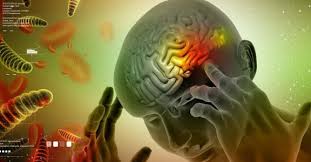
NEW DELHI — In a alarming shift that challenges the long-held perception of stroke as an exclusively elderly disease, nearly one in seven patients admitted for stroke in India is under the age of 45.
According to a landmark registry analysis published in the International Journal of Stroke, 13.8% of individuals treated for acute stroke across 30 major medical centers in India were young adults. The study, spearheaded by the Indian Council of Medical Research (ICMR) National Stroke Registry Programme, analyzed 34,792 stroke cases recorded between 2020 and 2022.
The findings, recently highlighted by leading neurologists at a national medical conclave in Lucknow, underscore an urgent public health imperative: routine cardiovascular screening, lifestyle modification, and rapid emergency intervention must begin decades earlier than previously emphasized.
High Blood Pressure and Tobacco Drive Youth Vulnerability
While the average age of stroke onset across the registry was 59.4 years, the substantial concentration of cases among working-age adults points directly to the rising prevalence of uncontrolled metabolic risk factors.
                                  Stroke Risk Factors in India
                                  =============================

    Hypertension (High BP)   [============================================] 74.5%
    Smokeless Tobacco Use    [=================>                          ] 28.5%
    Diabetes Mellitus        [================>                           ] 27.3%
Hypertension (persistently high blood pressure) emerged as the single most critical risk factor, documented in 74.5% of all registry patients. Ischemic strokes—caused by a blood clot blocking blood flow to a vital portion of the brain—accounted for approximately 60% of cases.
“High blood pressure is famously known as a ‘silent killer’ because it rarely causes noticeable symptoms while it silently damages vascular structures,” notes official guidance from the World Health Organization (WHO). “People with untreated hypertension face nearly three times the baseline risk of experiencing a stroke compared to non-hypertensive individuals.”
Beyond elevated blood pressure, lifestyle and environmental drivers are heavily implicated:
-
Smokeless Tobacco Use: Recorded in 28.5% of patients. Widespread consumption of chewing tobacco and gutkha introduces toxic chemical compounds into the bloodstream, accelerating vascular inflammation and clot formation.
-
Diabetes Mellitus: Present in 27.3% of cases. Chronically elevated blood sugar levels harden blood vessels (atherosclerosis), narrowing the pathways through which blood travels to brain tissue.
-
Broader Cardiovascular Contributors: High cholesterol, physical inactivity, poor dietary patterns rich in sodium, and harmful alcohol intake further aggravate vascular stress.
Data from the Global Burden of Disease study reinforces these registry insights, estimating that elevated systolic blood pressure alone accounts for roughly 56% of stroke-related deaths and 55% of stroke-associated disability-adjusted life years (DALYs) across India.
Why Young Adults Face Distinct Risks
Researchers emphasize that the registry reflects hospital admissions rather than the entire population, meaning it does not definitively prove that youth stroke rates are rising. However, it indisputably demonstrates that young adults bear a heavy share of India’s stroke burden during their most economically productive years.
A regional epidemiological study in Ludhiana published in the Annals of Indian Academy of Neurology offers a localized cross-reference: among 2,948 stroke cases studied, 24% occurred in adults aged 18 to 49, with an annual incidence rate of 46 cases per 100,000 person-years.
                      Pathways to Stroke in Young Adults
                      ==================================

               Modifiable Risk Factors        Uncommon Medical Causes
             -------------------------      -------------------------
             • Hypertension                 • Structural Heart Defects
             • Tobacco (Smoking/Chewing)    • Inherited Clotting Disorders
             • Unmanaged Diabetes           • Cerebral Venous Thrombosis
             • Hyperlipidemia (Cholesterol) • Pregnancy-related Vascular Stress
In younger patients, clinicians caution that stroke presentation can occasionally stem from secondary, less common medical mechanisms. Inherited blood-clotting disorders, structural heart defects, cardiac rhythm abnormalities, cerebral venous thrombosis, and pregnancy-related vascular stress require specialized neurological evaluation alongside standard lifestyle counseling.
The Critical Hours: Delayed Emergency Care Worsens Outcomes
Perhaps the most alarming vulnerability highlighted by the national registry involves hospital presentation times: a large proportion of patients arrived at emergency departments more than 24 hours after their initial symptoms began.
In acute ischemic stroke, time equates directly to brain tissue preservation. American Heart Association/American Stroke Association guidelines emphasize that intravenous clot-busting medication (alteplase) yields maximum efficacy when administered within 4.5 hours of symptom onset. Selected patients presenting with large-vessel occlusions may qualify for mechanical thrombectomy (a minimally invasive procedure to physically retrieve a clot) up to 24 hours after onset, depending on advanced neuroimaging.
                  B.E. F.A.S.T. - Emergency Stroke Recognition
                  =============================================

    [B] ALANCE  ---> Sudden loss of coordination, dizziness, or balance
    [E] YES     ---> Sudden vision loss or blurred vision in one/both eyes
    [F] ACE     ---> Facial numbness or one side of the face drooping
    [A] RMS     ---> Sudden weakness or drift when raising both arms
    [S] PEECH   ---> Slurred, garbled, or absent speech; difficulty understanding
    [T] IME     ---> Call emergency medical services (108/112) IMMEDIATELY
Delays frequently happen because younger patients or family members mistake early stroke indicators for minor issues, such as a severe migraine, acute fatigue, low blood sugar, or temporary nerve compression. In rural areas—which represented 72.1% of the registry’s total patient cohort—geographic distance, lack of transport, and initial reliance on non-medical practitioners severely delay specialized care.
Actionable Takeaways for Individuals and Families
Medical experts stress that while young adults should not live in fear of stroke, they must take active ownership of their vascular health.
1. Know Your Numbers
Do not assume youth equals immunity. Adults starting in early adulthood should have their blood pressure checked at least annually during routine health visits. Blood glucose and lipid profiles should be checked as recommended by a primary care physician.
2. Stop All Tobacco Products
Smokeless products like gutkha are just as hazardous to vascular health as smoked tobacco. Ceasing tobacco use rapidly lowers blood-clotting risks and preserves vessel elasticity.
3. Adopt Protective Lifestyle Habits
The World Health Organization recommends at least 150 minutes of moderate-intensity aerobic exercise weekly (such as brisk walking, swimming, or cycling). Combine physical activity with a balanced diet rich in whole foods, vegetables, and fruit, while minimizing sodium, saturated fats, and ultra-processed foods.
4. Never Stop Medication Abruptly
Patients diagnosed with hypertension, high cholesterol, or diabetes should strictly adhere to prescribed therapies. Discontinuing blood pressure or glycemic medications without clinical supervision can trigger dangerous cardiovascular rebounds.
Public Health Implications and Study Limitations
To effectively reduce India’s stroke burden, health policymakers must bolster primary care screening infrastructure, implement robust rural ambulance transport networks, and establish specialized stroke units within district hospitals.
Methodological Considerations
The ICMR registry analysis provides vital baseline data, but certain limitations exist:
-
Hospital-Based Sample: The registry captures individuals admitted to participating tertiary institutions. It excludes patients who did not seek hospital care, were treated at non-registry clinics, or died before reaching a facility.
-
Proportional vs. Population Risk: The 13.8% metric signifies that among hospitalized stroke patients in this registry, nearly 14% were under 45. It does not mean that 14% of all young adults in India will experience a stroke.
Despite these nuances, the study sends an unmistakable signal to the medical community and the public alike: early cardiovascular prevention and rapid emergency recognition must become top health priorities for every generation.
References
-
https://timesofindia.indiatimes.com/city/lucknow/one-in-7-stroke-patients-in-india-aged-under-45-experts/articleshow/133074862.cms
Medical Disclaimer: This article is for informational purposes only and should not be considered medical advice. Always consult with qualified healthcare professionals before making any health-related decisions or changes to your treatment plan. The information presented here is based on current research and expert opinions, which may evolve as new evidence emerges.


Happy
0 %

Sad
0 %

Excited
0 %

Sleepy
0 %

Angry
0 %

Surprise
0 %