 0
0
 0
0
Read Time:5 Minute, 25 Second
NEW DELHI — As dengue fever cases surface earlier and persist longer across South Asia this season, medical authorities and infectious disease experts are raising urgent alarms against a widespread folk remedy. Despite viral social media claims touting papaya leaf juice as a miracle cure for the mosquito-borne illness, physicians warn that relying on herbal extracts can create a false sense of security and delay lifesaving clinical intervention. While some small studies suggest the extract may temporarily boost blood platelet counts, global health authorities confirm there is no definitive evidence that papaya leaf preparations stop viral replication, prevent severe bleeding, or reduce mortality from dengue.
The Spike in Cases and the Rise of Home Remedies
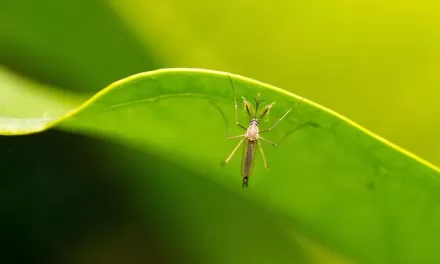
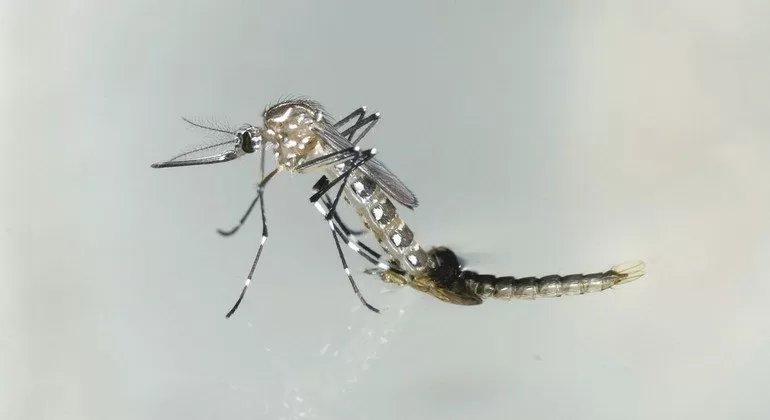
Dengue fever, caused by four distinct viral serotypes transmitted primarily by Aedes aegypti mosquitoes, affects tens of millions of people annually. As changing weather patterns extend mosquito breeding cycles, healthcare systems face increasing seasonal surges. In response, desperate families frequently turn to Carica papaya (papaya) leaf extracts—available as raw home-pressed juice, commercial syrups, and over-the-counter capsules—hoping to stave off the infection’s most dreaded complication: severe platelet loss.
The widespread belief in papaya leaf juice stems from its reputation for counteracting thrombocytopenia—an abnormally low level of platelets (thrombocytes), the specialized cell fragments that help blood clot. However, clinical specialists warn that focusing solely on a lab number can be dangerously misleading.
“Focusing only on platelet numbers can distract families from more important signs of clinical deterioration, including plasma leakage, internal bleeding, and organ complications,” warns Dr. Divya Rakesh Joshi, consultant in infectious disease and infection control at KIMS Hospitals, Electronic City, Bengaluru.
Medical experts stress that while a drop in platelets is a hallmark of dengue, it is rarely the direct cause of death. The true danger in severe dengue lies in vascular leakage—a condition where fluid seeps out of the bloodstream into body cavities, leading to sudden blood pressure drops, severe shock, and multi-organ failure.
What the Scientific Evidence Actually Shows
To evaluate whether papaya leaf extract holds genuine therapeutic value, medical researchers have systematically reviewed available clinical trials. The data reveals a nuanced picture: while a minor biological effect on platelet counts may exist, proof of meaningful clinical benefit remains lacking.
| Study Focus | Key Clinical Findings | Level of Evidence Quality |
| Platelet Count Recovery | Modest acceleration in platelet production observed in small patient subsets. | Low to Moderate |
| Prevention of Dengue Shock | No statistically significant benefit or protection demonstrated. | Insufficient / Inconclusive |
| Reduction in Internal Bleeding | No evidence of reduced risk for severe hemorrhaging. | Insufficient / Inconclusive |
| Overall Mortality Reduction | Zero evidence demonstrating improved survival rates. | Insufficient |
A major systematic review published in BMC Complementary Medicine and Therapies evaluated nine controlled clinical trials across India, Pakistan, Indonesia, and Malaysia. While seven of the trials noted minor improvements in platelet recovery, the authors highlighted widespread methodological flaws, including small sample sizes and high risk of bias.
Crucially, the meta-analysis concluded that there is no convincing evidence that Carica papaya leaf juice prevents progression to severe dengue shock syndrome, reduces major bleeding episodes, or lowers mortality. Earlier research reviews, such as a 2016 analysis in the International Journal of Applied & Basic Medical Research, reached similar conclusions, noting that reported data failed to prove whether modest platelet increases translated into clinically meaningful patient outcomes.
The Biological Illusion: Why Platelets Don’t Tell the Whole Story
Understanding dengue’s clinical course explains why relying on a home remedy to raise platelets can be perilous. Dengue typically progresses through three distinct phases:
[ Febrile Phase ] ──> [ Critical Phase ] ──> [ Recovery Phase ]
  (High fever, pain)     (Fever drops; risk     (Fluids stabilize;
                          of shock/leakage)      platelets rise naturally)
-
Febrile Phase: Characterized by high fever, severe body aches, and joint pain.
-
Critical Phase: Begins around the time the fever subsides (typically days 3 to 7). This is when vascular permeability peaks, making patients susceptible to severe plasma leakage and shock.
-
Recovery Phase: The body begins reabsorbing fluids, and platelet counts naturally bounce back on their own.
Because platelet counts naturally rise during the recovery phase, many patients who drink papaya leaf juice during the tail end of their illness incorrectly attribute their spontaneous recovery to the herbal remedy. Furthermore, homemade preparations lack standard dosing: active chemical concentrations fluctuate wildly based on leaf maturity, soil conditions, and extraction methods. Raw plant extracts can also trigger gastrointestinal distress, including severe nausea and vomiting, compounding the dehydration that severe dengue patients are already fighting.
What Patients and Caregivers Should Do
Global public health institutions—including the World Health Organization (WHO) and the U.S. Centers for Disease Control and Prevention (CDC)—emphasize that there is no specific antiviral treatment for dengue fever. Management relies entirely on strict, supportive medical care.
Recommended Supportive Care
-
Maintain Hydration: Administer oral rehydration salts (ORS), clear broths, and fresh fluids to counteract fluid loss.
-
Safe Pain Management: Use paracetamol (acetaminophen) for fever and pain control as directed by a physician.
-
Avoid Dangerous Painkillers: NEVER take aspirin, ibuprofen, naproxen, or other nonsteroidal anti-inflammatory drugs (NSAIDs), as these thin the blood and significantly increase the risk of severe internal bleeding.
-
Prevent Secondary Transmission: Infected individuals should sleep under mosquito netting to prevent local mosquitoes from biting them and spreading the virus to family members.
+-----------------------------------------------------------------------+
|                       CRITICAL WARNING SIGNS                          |
|    Seek emergency hospital care immediately if any appear:            |
|                                                                       |
|  * Severe, continuous abdominal pain    * Persistent vomiting          |
|  * Bleeding gums or nosebleeds          * Blood in vomit or stool      |
|  * Extreme fatigue or restlessness      * Cold, clammy, or pale skin   |
|  * Sudden difficulty breathing          * Dramatic drop in urination   |
+-----------------------------------------------------------------------+
The Public Health Perspective
Health authorities acknowledge the human impulse to seek accessible, natural treatments during illness outbreaks. However, medical journalists and public health officials urge caution against unverified online claims promising “24-hour dengue cures.”
While researchers continue to study isolated phytochemicals from Carica papaya in controlled laboratory environments, unregulated leaf juices should never replace professional medical evaluation, routine blood monitoring, or hospital-guided fluid management. When dealing with an unpredictable infection like dengue, timely professional care remains the single most effective defense.
References
-
https://timesofindia.indiatimes.com/health/papaya-juice-not-a-cure-dengue-prompts-rise-in-papaya-leaf-juice-use-doctor-cautions-against-delaying-medical-care/articleshow/133063130.cms
Medical Disclaimer: This article is for informational purposes only and should not be considered medical advice. Always consult with qualified healthcare professionals before making any health-related decisions or changes to your treatment plan. The information presented here is based on current research and expert opinions, which may evolve as new evidence emerges.


Happy
0 %

Sad
0 %

Excited
0 %

Sleepy
0 %

Angry
0 %

Surprise
0 %